Linen pants are a warm-weather essential thanks to their breathability, lightweight feel, and effortless style, but they are also one of the most misunderstood fabrics when it comes to care, often leading to shrinkage, wrinkles, or damage after washing. At StrideLinen, we believe linen care should be simple, and understanding How to Wash Linen Pants Safely is key to keeping your pieces durable, soft, and long-lasting.
In this guide, you’ll learn everything from machine and hand washing methods to drying, ironing, detergents, and long-term care tips. It also covers key semantic topics like washing linen pants safely, machine wash linen pants, hand wash linen trousers, cold water wash linen pants, preventing shrinkage, best detergent for linen, air drying, and ironing linen pants.
Can You Wash Linen Pants? (What You Need to Know First)
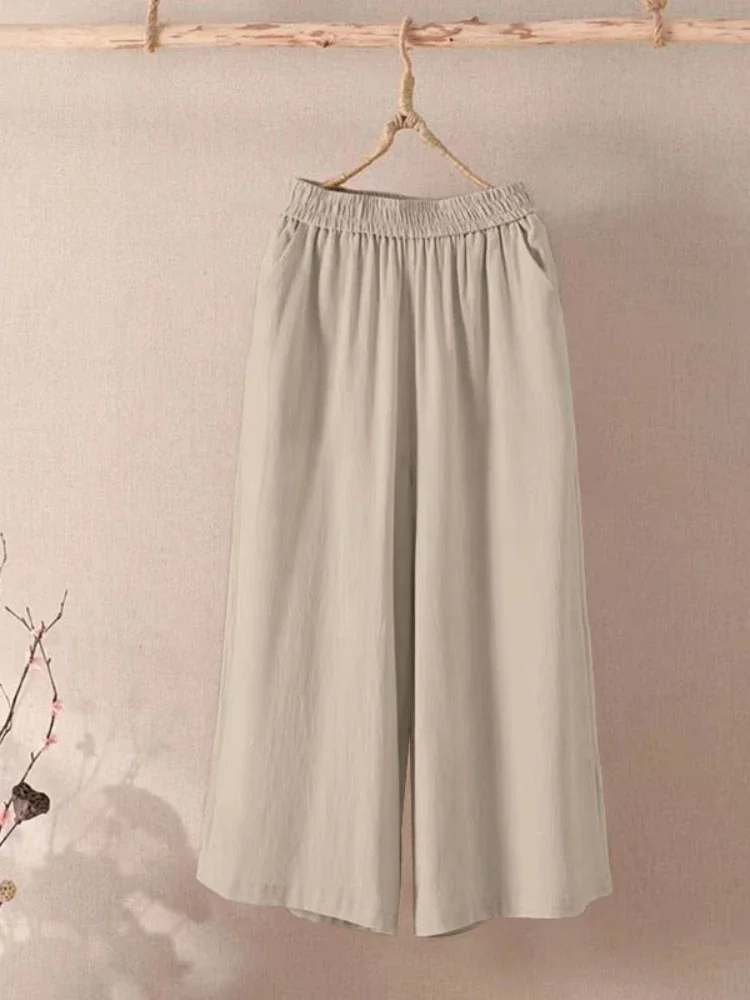
Before learning how to wash linen pants safely, it’s important to understand the fabric itself. Linen is made from flax fibers, which are strong but naturally porous and sensitive to heat and agitation.
Is Linen Machine Washable?
Yes, most linen pants are machine washable. However, this depends on:
- Fabric composition (100% linen vs linen blend)
- Construction quality
- Manufacturer care label instructions
100% linen pants require more delicate handling, while linen blends (mixed with cotton or polyester) tend to be more durable and easier to wash.
When Should You Hand Wash Linen Pants?
Hand washing is recommended for:
- Lightweight or premium linen trousers
- Delicate or designer pieces
- Light-colored linen pants prone to damage
- Situations where maximum fabric protection is needed
Can Linen Be Dry Cleaned?
Yes, but dry cleaning is usually unnecessary unless:
- The garment is structured or tailored
- The care label explicitly requires it
- You want to preserve high-end luxury linen pieces
How to Wash Linen Pants Safely in the Washing Machine?
Machine washing can be one of the most efficient and practical ways to care for linen pants in everyday use, but only when done with the correct settings and fabric awareness. Linen is strong in structure yet sensitive to heat, agitation, and over-processing, which means small mistakes can easily lead to shrinkage, stiffness, or weakened fibers over time.
Step-by-Step Machine Washing Instructions
To wash linen pants safely in a washing machine while preserving their natural texture and shape, a controlled and gentle approach is essential.
- Always check the care label before washing, as fabric blends may require specific settings
- Turn linen pants inside out to reduce surface friction and protect the outer weave
- Separate by color (whites, dark tones, and neutrals) to prevent dye transfer
- Use cold or lukewarm water to minimize fiber stress and avoid shrinkage
- Select a gentle or delicate cycle designed for low-impact movement
- Use a low spin speed to reduce twisting and structural strain on the fabric
- Remove immediately after the cycle ends to prevent deep crease formation
When followed correctly, this method helps maintain the integrity of the flax fibers while keeping the fabric soft, breathable, and naturally structured over time.
Best Detergent for Linen Clothes
Detergent choice plays a direct role in how linen ages after repeated washes. Harsh cleaning agents can break down natural fibers, while overly heavy formulas may leave residue that affects softness and breathability.
Recommended options include:
- Mild liquid detergents designed for delicate fabrics
- Eco-friendly, biodegradable detergents with minimal additives
- pH-neutral formulas that preserve natural fiber balance
Avoid using:
- Bleach or whitening agents that weaken flax fibers
- Strong chemical detergents designed for heavy-duty stains
- Aggressive stain removers unless applied only to specific spots
Fabric softener is generally unnecessary, as linen naturally becomes softer with each proper wash when not coated by synthetic additives.
Common Machine Washing Mistakes
Many issues associated with linen damage come from routine washing habits rather than the fabric itself. Frequent mistakes include:
- Using hot water, which accelerates shrinkage and fiber contraction
- Overloading the machine, which limits proper water circulation and cleaning efficiency
- Selecting high spin cycles that twist and stress natural fibers
- Mixing linen with heavy fabrics like denim or towels, increasing abrasion during the wash
Avoiding these mistakes significantly extends the lifespan and appearance of linen pants.
How to Hand Wash Linen Pants Safely?
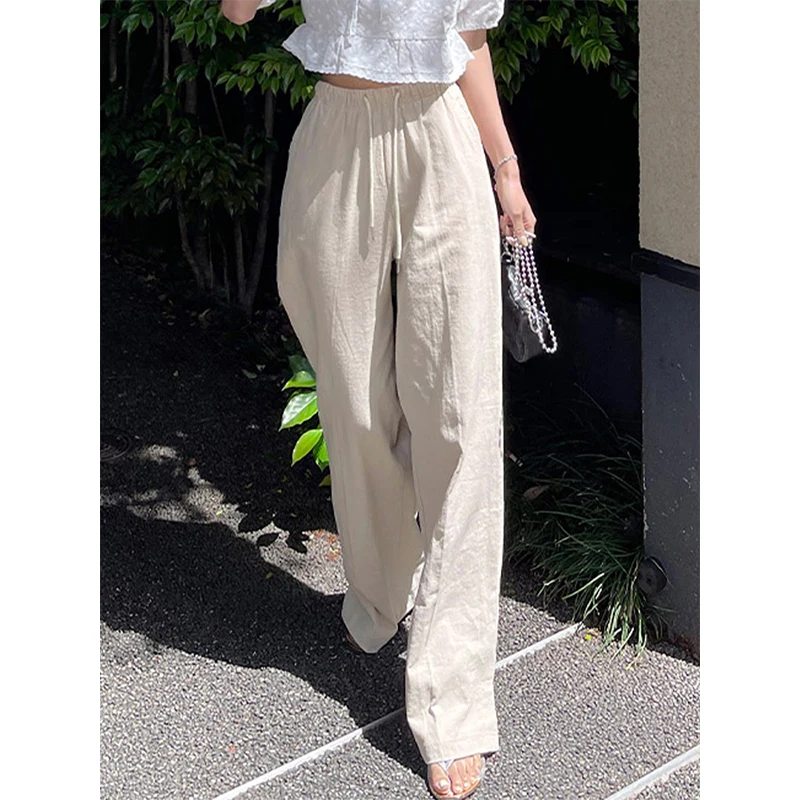
Hand washing is widely considered the most controlled and fabric-friendly method for cleaning linen, especially for delicate or high-quality pieces. It minimizes mechanical stress and helps preserve the natural drape of the fabric.
Step-by-Step Hand Washing Method
A careful, low-intervention process is key to maintaining linen quality during hand washing.
- Fill a basin with cold water to protect fiber structure
- Add a small amount of mild detergent and mix evenly
- Submerge linen pants fully and allow water to penetrate the fabric
- Gently move the fabric through water without scrubbing or twisting
- Let the garment soak for 5–10 minutes only to avoid fiber weakening
- Rinse thoroughly with clean cold water until no detergent remains
- Press out excess water gently without wringing or stretching
This approach preserves the natural strength of flax fibers while preventing deformation and excessive wrinkling.
When to Choose Hand Washing?
Hand washing is especially suitable in situations where fabric protection is a priority over convenience.
- Premium or luxury linen trousers with refined weaving
- Lightweight or thin linen fabrics prone to distortion
- Travel scenarios where washing machines are unavailable
- Garments intended for long-term wardrobe investment
Best Water Temperature for Washing Linen Pants
Water temperature is one of the most critical factors in determining how linen behaves after washing. Even when detergent and cycle settings are correct, improper temperature can still lead to fabric damage.
Cold Water vs Warm Water
Each temperature range affects linen differently and should be chosen based on fabric type and durability.
- Cold water: The safest and most recommended option, preserving fiber structure, preventing shrinkage, and maintaining softness
- Warm water: Acceptable only for sturdy linen blends where fibers are reinforced with other materials
- Hot water: Not recommended under any circumstance for linen pants due to high risk of shrinkage and structural breakdown
Why Hot Water Damages Linen?
Exposure to high temperatures causes irreversible changes in natural flax fibers.
- Fiber contraction leading to noticeable shrinkage
- Loss of softness and natural breathability
- Weakening of the flax structure, reducing fabric durability
- Accelerated aging, making the fabric appear worn more quickly
For long-term preservation, cold water remains the most reliable standard in linen care practices.
How to Dry Linen Pants Safely?
Drying plays a decisive role in maintaining the shape, texture, and longevity of linen pants, often just as important as the washing process itself. Even when washed correctly, improper drying can still lead to shrinkage, stiffness, or uneven fabric structure.
Air Drying (Recommended Method)
Air drying remains the most reliable and fabric-safe method for linen care, as it allows natural moisture release without thermal stress on the fibers.
- Hang linen pants on a padded hanger to preserve shape and reduce crease pressure
- Alternatively, lay them flat on a clean, dry surface to avoid stretching
- Dry in a shaded, well-ventilated area to maintain color stability and fabric integrity
- Avoid direct sunlight, as prolonged exposure can cause fading and fiber weakening
This method supports the natural structure of linen while preserving its softness and breathable texture over time.
Can You Tumble Dry Linen Pants?
Tumble drying is possible but should be approached with caution, as linen reacts strongly to heat exposure.
- Use low heat or delicate settings only
- Remove pants while still slightly damp to reduce over-drying stress
- Finish drying naturally through air exposure
High heat is one of the most common causes of linen shrinkage and should be avoided to maintain long-term fabric quality.
How to Prevent Wrinkles While Drying?
Wrinkle formation often occurs during the drying phase rather than washing itself, making handling technique essential.
- Shake pants gently before hanging to release folds
- Smooth fabric with hands to encourage even drying
- Avoid folding or bunching while wet, as it sets deep creases into the fibers
How to Iron or Steam Linen Pants?
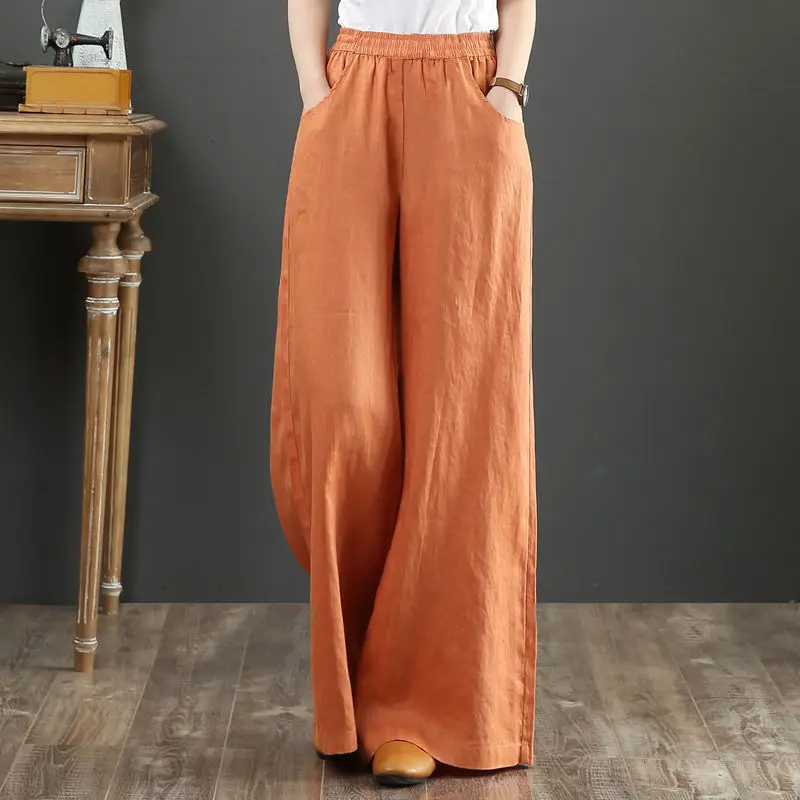
Linen naturally carries a relaxed, textured appearance, but controlled finishing techniques can refine its look depending on styling needs.
Best Way to Remove Wrinkles
Wrinkle management should focus on balancing heat and moisture to avoid damaging flax fibers.
- Iron while the fabric is still slightly damp for smoother results
- Use medium to high heat depending on fabric thickness
- Steam as a safer alternative for delicate or lightweight linen
- Iron inside out to protect surface texture and reduce shine marks
Should You Iron Linen Pants?
The decision to iron depends largely on context and styling intent rather than necessity.
- Casual wear: ironing can be skipped to maintain a natural linen aesthetic
- Office or formal settings: ironing is recommended for a structured appearance
- Relaxed summer outfits: natural wrinkles are often part of the intended style
Common Mistakes When Washing Linen Pants
Despite linen’s durability as a natural fiber, improper care habits often lead to avoidable damage over time. Common mistakes include:
- Using hot water that accelerates shrinkage and fiber breakdown
- Washing too frequently, which weakens natural flax structure
- Applying harsh detergents that strip softness and resilience
- Machine drying on high heat, leading to irreversible fabric contraction
- Ignoring care labels, resulting in unsuitable washing methods
- Over-spinning in the washer, which stresses and distorts fibers
These errors typically result in stiffness, reduced lifespan, and loss of natural drape.
How to Prevent Linen Pants from Shrinking or Damaging?
Long-term fabric preservation depends on consistent, low-impact care practices that protect linen’s natural structure. Recommended practices include:
- Always washing in cold water to minimize fiber contraction
- Using gentle or delicate cycles only
- Avoiding tumble drying at high temperatures
- Air drying whenever possible to maintain fabric integrity
- Not overloading the washing machine to ensure proper circulation
- Treating stains gently instead of aggressive scrubbing
Understanding how to prevent linen pants shrinking is essential for maintaining both fit and texture over time.
How Often Should You Wash Linen Pants?
Linen does not require frequent washing due to its natural breathability and odor resistance, making over-washing one of the most common causes of premature wear.
- Casual wear: typically after 3–5 uses
- Office wear: around 2–3 uses depending on environment
- Travel wear: based on exposure and activity level
Reducing wash frequency helps preserve fiber strength and extends garment lifespan significantly.
How to Keep Linen Pants Soft and Long-Lasting?
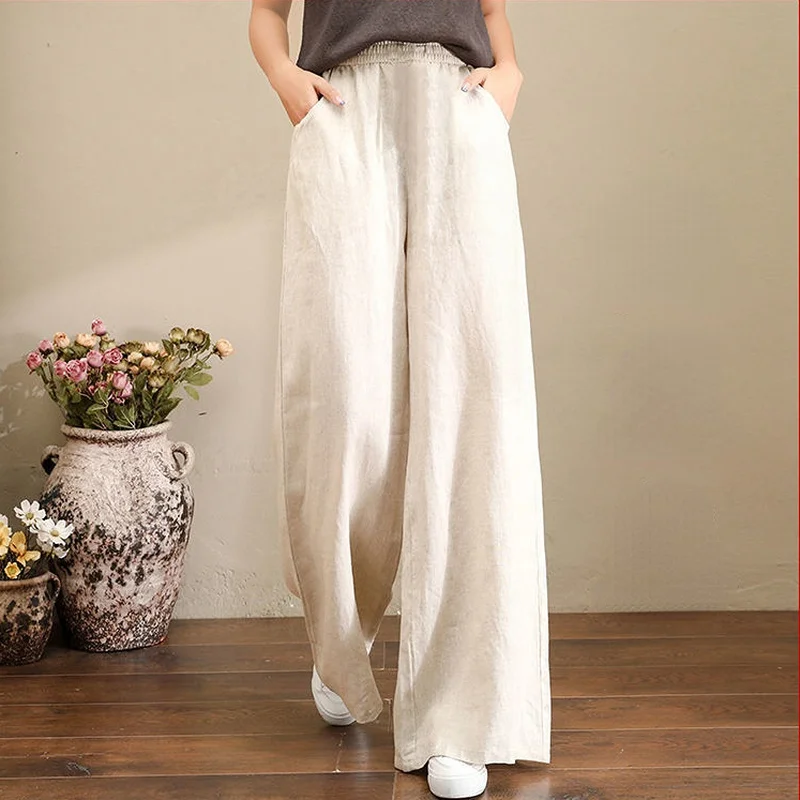
Softness in linen is achieved through proper care habits rather than chemical treatments, allowing the fabric to naturally improve over time.
- Use only mild detergent to avoid residue buildup
- Avoid fabric softeners, which can coat and stiffen fibers
- Air dry naturally to maintain fiber elasticity
- Allow linen to soften gradually with repeated proper washing
- Store in a cool, dry place to prevent moisture damage
When handled correctly, linen becomes increasingly softer and more comfortable with age.
FAQ about How To Wash Linen Pants Safely?
Understanding a few key care principles helps prevent most common linen issues, as fabric damage is usually caused by incorrect washing or drying rather than the material itself.
Do linen pants shrink after washing?
Yes, but mainly when exposed to hot water or high-heat drying. With cold water washing and air drying, shrinkage is minimal and easily controlled.
Can you wash linen pants in hot water?
No. Hot water weakens flax fibers, reduces softness, and increases shrinkage risk. Cold or lukewarm water is always safer.
Do linen pants get softer after washing?
Yes. Linen naturally softens over time when washed gently, especially with mild detergent and proper care.
Is hand wash better than machine wash?
Hand washing is safest for delicate pieces, but machine washing is fine if using a gentle cycle, cold water, and low spin.
Can linen pants go in the dryer?
Yes, but only on low heat and ideally removed while still slightly damp. Air drying remains the safest option.
Conclusion
To summarize, mastering How to Wash Linen Pants Safely comes down to treating the fabric gently at every stage—washing, drying, and storing. Always use cold water, choose gentle washing methods, avoid high heat, and air dry whenever possible, while only washing when truly necessary. Linen is not a fragile fabric but a natural one that rewards proper care with long-lasting comfort, softness, and beauty. At StrideLinen, we believe that when you care for linen the right way, it becomes more than clothing—it becomes a long-term investment in comfort, sustainability, and timeless style.