At StrideLinen, we often hear the same concern from linen lovers around the world: “Why does my linen shrink after washing, and how can I prevent it?” Linen is one of the most breathable, durable, and timeless fabrics, but it also has a reputation for being delicate when it comes to care—especially drying. That’s exactly why understanding How to Dry Linen Without Shrinking is essential if you want your garments to last longer, stay soft, and maintain their natural shape. Linen fibers are made from flax, a natural plant-based material that reacts strongly to heat, water temperature, and mechanical stress. Without the right drying method, even high-quality linen can shrink, stiffen, or lose its elegant drape.
In this complete guide, StrideLinen breaks down everything you need to know—from why linen shrinks in the first place, to the safest drying methods, common mistakes, and expert fabric care techniques. Whether you’re drying linen shirts, pants, dresses, or bedding, this guide will help you protect your investment and keep your wardrobe looking effortlessly refined.
Why Does Linen Shrink When Drying?
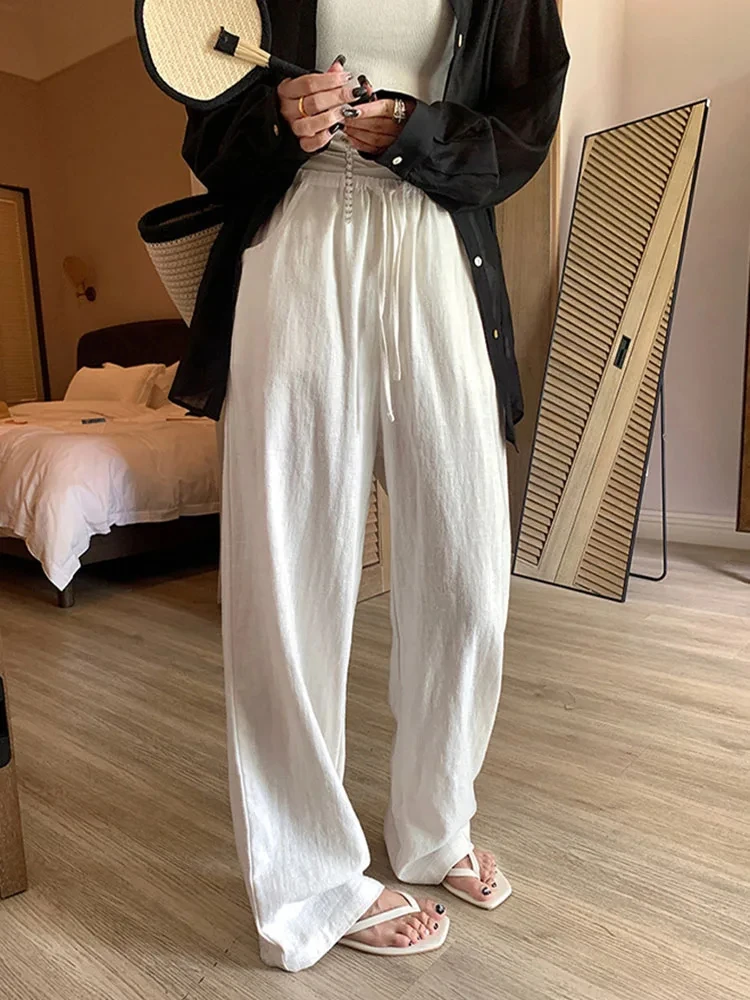
Understanding the root cause of shrinkage is the first step in learning how to prevent it. Linen shrinkage is not random—it happens due to the natural behavior of flax fibers when exposed to heat, moisture, and agitation.
The Natural Structure of Linen Fibers
Linen is made from flax plant fibers, which are:
- Hollow and highly absorbent
- Naturally inelastic compared to cotton
- Sensitive to temperature changes
- Prone to tightening when exposed to heat
When linen is woven into fabric, the fibers are stretched and aligned. However, when exposed to moisture and heat during drying, these fibers tend to contract back toward their natural state. This is why improper drying often leads to linen fabric shrinkage.
Common Causes of Shrinking Linen
Several everyday mistakes contribute to shrinkage:
- Drying linen clothes in high heat
- Using aggressive tumble drying cycles
- Washing in hot water before drying
- Over-spinning in the washing machine
- Leaving linen in the dryer too long (over-drying)
Even small exposure to heat can gradually damage the fiber structure over time, making proper care essential.
Does Linen Shrink in the Dryer? Yes—linen can shrink significantly in a dryer, especially when exposed to high or medium heat. Even “cotton-safe” dryer settings may still be too harsh for pure linen fabric. That’s why experts consistently recommend air drying linen clothes whenever possible.
Can You Tumble Dry Linen?
One of the most frequently asked questions about linen care is whether machine drying is safe.
When It’s Safe to Use a Dryer?
You can tumble dry linen, but only under strict conditions:
- Use low heat or air-dry setting only
- Remove garments while slightly damp
- Only dry pre-washed or pre-shrunk linen
- Avoid mixing with heavy fabrics like towels or denim
Low heat reduces fiber stress, but it does not eliminate risk completely.
Risks of Machine Drying Linen
Even when done carefully, tumble drying still carries risks:
- Shrinking due to residual heat
- Fabric stiffness and rough texture
- Permanent wrinkles that are difficult to remove
- Reduced fabric lifespan over time
At StrideLinen, we always recommend air drying linen garments naturally. It is the safest and most effective method to preserve softness, shape, and durability.
Best Way to Dry Linen Without Shrinking
Choosing the right drying method is not just a finishing step in linen care—it is the deciding factor between maintaining a garment’s natural structure and accidentally damaging its fibers. Linen responds strongly to heat, moisture, and gravity, so each drying approach should be selected intentionally based on fabric weight, garment construction, and environmental conditions.
Air Drying Linen Clothes? (Most Recommended Method)
Air drying remains the most trusted and fabric-safe method for linen care, especially for high-quality or 100% linen garments. It eliminates heat exposure entirely, which is the primary trigger for fiber contraction and shrinkage. Best practices for effective air drying include:
- Hanging garments on wide or padded hangers to support natural shoulder and seam structure
- Positioning clothing in a shaded, airy space with consistent ventilation
- Avoiding direct sunlight, which can weaken flax fibers over time and cause stiffness or fading
- Allowing sufficient spacing between garments to maintain airflow and even drying
When executed correctly, air drying preserves linen’s natural drape and prevents the fiber tightening that often leads to shrinkage. It is the most balanced approach between fabric safety and everyday practicality.
Flat Drying Method for Delicate Items
Flat drying is a preferred technique for structured or heavier linen pieces that may stretch under their own weight when hung. This method is particularly suitable for:
- Linen pants
- Heavy-weight shirts
- Tailored or structured garments
Its primary advantage lies in weight distribution. Instead of gravity pulling the fabric downward, the garment rests evenly on a surface, maintaining its original proportions.
- Preventing vertical stretching along seams and hems
- Preserving tailored silhouettes and garment balance
- Minimizing deep crease formation during drying
For best results, garments should be placed on a clean towel or breathable mesh rack. While still damp, fabric should be gently reshaped by hand to restore its original form before air circulation completes the drying process.
Using a Drying Rack
A drying rack offers a practical middle ground between hanging and flat drying, making it one of the most versatile solutions for everyday linen care. It works by allowing air to circulate freely around the garment while still providing structured support to prevent distortion.
- Even airflow across all fabric surfaces
- Natural reduction of wrinkles without mechanical intervention
- Lower risk of fabric misshaping during drying
This method is especially effective in humid environments where air drying alone may take longer. Proper spacing on the rack ensures consistent evaporation and helps maintain fabric integrity throughout the drying cycle.
Step-by-Step Guide to Dry Linen Safely
A consistent drying routine is essential to prevent shrinkage and preserve linen quality over time. Each step plays a role in minimizing stress on natural fibers and maintaining garment structure.
Step 1 – Remove Excess Water Gently
After washing, linen should never be aggressively twisted or wrung, as this places unnecessary tension on the fibers and can lead to distortion. Instead, use gentle moisture-removal techniques:
- Press fabric between clean, absorbent towels
- Roll the garment lightly to draw out water
- Avoid any forceful squeezing or twisting motions
This step reduces drying time while protecting fiber alignment.
Step 2 – Reshape While Damp
Linen holds its shape most effectively when damp, making this stage critical for long-term garment appearance. Before drying:
- Smooth out wrinkles using hand pressure
- Realign seams, hems, and edges carefully
- Restore the original silhouette of the garment
Proper reshaping at this stage significantly reduces permanent creasing and ensures the fabric dries into its intended structure.
Step 3 – Choose the Right Drying Method
Different linen garments require different drying approaches depending on weight and construction:
- Shirts: hang dry to maintain flow and structure
- Pants: hang dry for light fabrics or flat dry for heavier ones
- Structured or thick items: flat dry only to avoid stretching
Selecting the correct method prevents uneven tension and preserves garment longevity.
Step 4 – Avoid Heat and Direct Sunlight
Heat is the most aggressive factor affecting linen integrity. Even moderate exposure can accelerate fiber tightening and reduce softness. Potential risks include:
- Rapid surface drying that traps internal moisture
- Fiber weakening over time
- Increased stiffness after repeated exposure
Shaded drying environments with steady airflow are significantly safer and help maintain a soft, natural finish.
Step 5 – Allow Full Air Drying
Linen should always be allowed to dry completely before wearing or storing. Properly dried linen should feel:
- Dry throughout all layers
- Naturally soft rather than rigid
- Free from any cool or damp spots
Incomplete drying can lead to odor retention and fabric degradation over time.
How to Dry Linen Quickly Without Damage?

In real-world conditions, especially in humid climates, faster drying may be necessary. The key is to accelerate evaporation without introducing heat stress.
Improve Air Circulation
Air movement is the safest way to reduce drying time without compromising fabric integrity. Effective strategies include:
- Using a fan to enhance airflow indoors
- Opening windows to create cross-ventilation
- Spacing garments apart to prevent trapped moisture
Consistent airflow ensures even drying and reduces damp retention in thicker areas.
Light Toweling Technique
Before air drying begins, moisture levels can be significantly reduced using a controlled absorption method. Recommended approach:
- Place linen between two clean towels
- Press gently to extract excess water
- Avoid rubbing, which can distort fibers and create surface wear
This technique shortens drying time while maintaining fabric stability.
Avoid Heat Shortcuts
While heat-based methods may appear convenient, they introduce long-term damage that outweighs short-term speed benefits. Avoid:
- Hair dryers
- Radiators
- Space heaters or direct heat sources
These methods disrupt fiber balance, often resulting in shrinkage, stiffness, and reduced garment lifespan.
Common Mistakes When Drying Linen
Most cases of linen shrinkage or fabric damage do not come from the material itself, but from repeated small mistakes during drying and care. Understanding these errors is essential to maintaining linen’s natural structure, softness, and longevity.
Using High Heat Dryer Settings
One of the most damaging mistakes is exposing linen to excessive heat during machine drying. Even settings labeled as “medium heat” are often too intense for flax-based fibers. High heat can cause:
- Gradual fiber contraction leading to shrinkage
- Loss of natural elasticity in the weave
- Reduced fabric lifespan after repeated cycles
Linen is not designed to tolerate thermal stress, which is why controlled, low-temperature or air-drying methods are always preferred.
Over-Drying Linen Fabric
Leaving linen in a dryer longer than necessary is another common but overlooked issue. Over-drying removes too much internal moisture, leaving the fibers rigid and fragile. This typically results in:
- A rough, stiff texture that loses its natural drape
- Increased brittleness in fiber structure
- Permanent shrinkage due to excessive heat exposure
Linen performs best when it is removed slightly damp and allowed to finish drying naturally.
Hanging in Direct Sunlight
Although sunlight may seem like a natural drying solution, prolonged exposure can negatively affect linen quality over time.
- Fading of natural or dyed colors
- Weakening of flax fibers due to UV exposure
- Increased stiffness in fabric after repeated drying cycles
Shade drying with steady airflow provides a far more balanced environment for preserving fabric integrity.
Wringing Linen Too Hard
Excessive force when removing water is a hidden cause of long-term linen damage. Twisting or wringing stretches the fibers beyond their natural limit. This can lead to:
- Distortion of garment shape
- Micro-tears within the fiber structure
- Reduced durability over time
A gentler moisture-removal method is always more effective in maintaining fabric stability.
Ignoring Fabric Care Labels
Each linen garment may differ slightly depending on weave density, fabric blend, or finishing treatment. Ignoring care instructions often leads to inconsistent results. Care labels provide essential guidance on:
- Recommended washing temperatures
- Suitable drying methods
- Fabric-specific limitations
Following these instructions helps avoid unnecessary damage and ensures consistent garment performance.
How to Prevent Linen From Shrinking?
Shrinkage prevention is always more effective than correction. Once fiber contraction occurs, restoring the original size is extremely difficult. A consistent care routine significantly reduces risk and extends garment life.
Wash in Cold or Lukewarm Water
Temperature control during washing is a foundational step in preventing shrinkage. Hot water accelerates fiber tightening, especially in untreated linen. Cold or lukewarm water helps:
- Maintain natural fiber flexibility
- Reduce stress on fabric structure
- Preserve original garment dimensions
Use Gentle Detergents
Harsh cleaning agents can gradually weaken natural flax fibers, making them more sensitive to heat and mechanical stress. Gentle detergents support:
- Long-term fiber integrity
- Softer fabric texture over time
- Reduced risk of premature wear
Avoid Heat Drying
Heat exposure remains the leading cause of linen shrinkage. Eliminating or minimizing heat during drying is essential. Best practice:
- Prioritize air drying whenever possible
- Use only low or no-heat dryer settings when necessary
Choose Pre-Shrunk Linen
Pre-shrunk or pre-washed linen has already undergone controlled processing to reduce future shrinkage potential. Benefits include:
- Greater dimensional stability
- More predictable post-wash behavior
- Reduced risk of sudden size changes
Store Properly After Drying
Proper storage helps maintain shape and prevents unnecessary fabric stress after drying. Recommended practices:
- Fold neatly or hang on wide hangers
- Store in a cool, dry environment
- Avoid tight compression or overcrowded storage spaces
How to Keep Linen Soft After Drying?
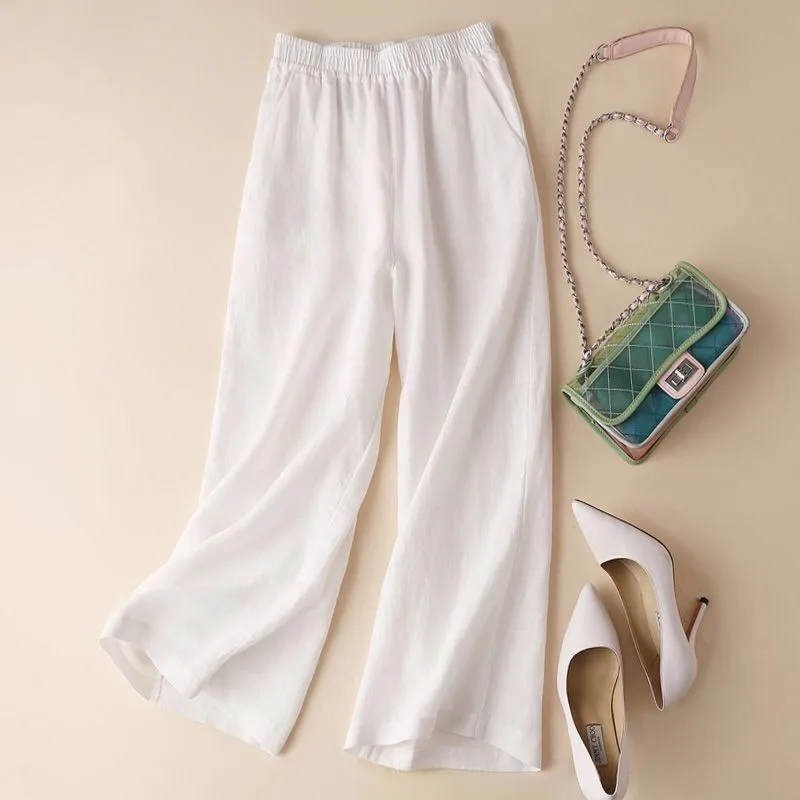
Linen is naturally textured, but with correct care, it becomes progressively softer without losing durability. Softness is largely influenced by drying technique, handling, and long-term washing habits.
Shake Linen While Damp
When linen is still slightly damp, gentle movement helps relax the fibers and reduce stiffness. This technique:
- Loosens tightened fiber clusters
- Encourages a more natural drape
- Reduces post-drying wrinkles
Avoid Over-Drying
Allowing linen to become completely dry under excessive airflow or heat can lead to unnecessary rigidity. Maintaining slight residual moisture during final drying stages helps:
- Preserve softness
- Improve fabric flexibility
- Reduce break-in time for new garments
Natural Softening Over Time
One of linen’s unique qualities is its ability to improve with age when properly maintained. With each gentle wash and air dry cycle:
- Fibers gradually relax
- Texture becomes smoother
- Comfort level increases significantly
Gentle Fabric Care Habits
Long-term softness depends on consistent care rather than one-time treatments.
- Avoiding harsh detergents
- Preventing high heat exposure
- Using gentle spin cycles during washing
FAQ about How To Dry Linen Without Shrinking?
A clear understanding of linen behavior helps eliminate confusion and prevents common care mistakes that lead to shrinkage or fabric damage.
Does linen shrink after air drying?
Linen does not shrink when air dried correctly. Shrinkage is primarily caused by heat exposure during washing or machine drying rather than natural evaporation.
Can linen go in the dryer safely?
Linen can be placed in a dryer only under strict low-heat or air-only settings. However, air drying remains the safest method to preserve fabric integrity and prevent long-term shrinkage.
How long does linen take to air dry?
Drying time typically ranges from 2 to 6 hours depending on fabric thickness, humidity levels, and airflow conditions. Heavier linen items may require additional time.
Is it better to dry linen inside or outside?
Both indoor and outdoor drying are suitable as long as airflow is consistent. Outdoor drying should always avoid direct sunlight to prevent fiber weakening and fading.
How do you fix shrunken linen?
Minor shrinkage can sometimes be partially reversed by gently stretching the fabric while damp. However, severe shrinkage is usually permanent and difficult to fully restore.
Conclusion
At StrideLinen, we believe linen should be enjoyed, not feared. Once you understand How to Dry Linen Without Shrinking, caring for this beautiful natural fabric becomes simple and stress-free. The key takeaway is clear: avoid heat, avoid harsh drying methods, and always prioritize natural air drying whenever possible. Whether you’re handling linen shirts, pants, or bedding, gentle care ensures your pieces stay breathable, elegant, and long-lasting. With the right habits, linen doesn’t just last longer—it gets better with time.