Summer heat can turn even the simplest outfit into a source of discomfort—sticky skin, trapped heat, and fabrics that just don’t breathe. If you’ve ever wondered why some clothes feel unbearable in hot weather while others feel effortlessly cool, the answer lies in the fabric. At StrideLinen, we believe choosing the right material is the foundation of comfort, style, and performance in summer—and that’s exactly where linen stands out.
In this complete guide, you’ll discover why linen is the best summer fabric, how it compares to other materials, and why it has remained a top choice for centuries in hot and humid climates. Whether you’re building a minimalist summer wardrobe, preparing for tropical travel, or simply trying to stay cool, this article covers everything you need to know.
What Is Linen Fabric? (Quick Overview)
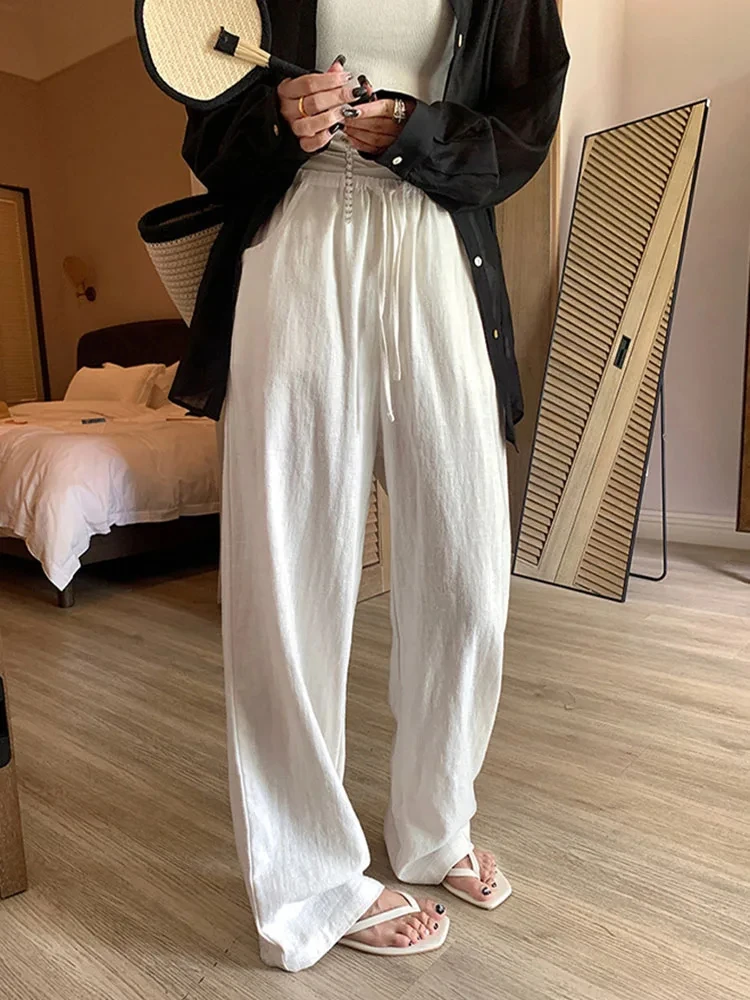
Linen is a natural textile made from fibers of the flax plant. Unlike synthetic fabrics or heavily processed materials, linen retains a raw, organic structure that gives it unique performance advantages in hot weather. The production of linen involves harvesting flax, extracting fibers, and weaving them into fabric. This process is more labor-intensive than cotton or polyester production, which partly explains why linen is often considered a premium material.
What makes linen truly special is its loose weave structure, which allows air to circulate freely. This characteristic is the foundation of its reputation as one of the most breathable fabrics for summer heat.
Compared to synthetic fabrics, linen is:
- More breathable
- More eco-friendly
- More durable over time
Compared to cotton, linen is:
- Cooler in hot climates
- More moisture-wicking
- Longer-lasting
This combination of natural origin and functional performance is why linen continues to dominate the category of best fabrics for hot weather.
Why Linen Is the Best Fabric for Summer?
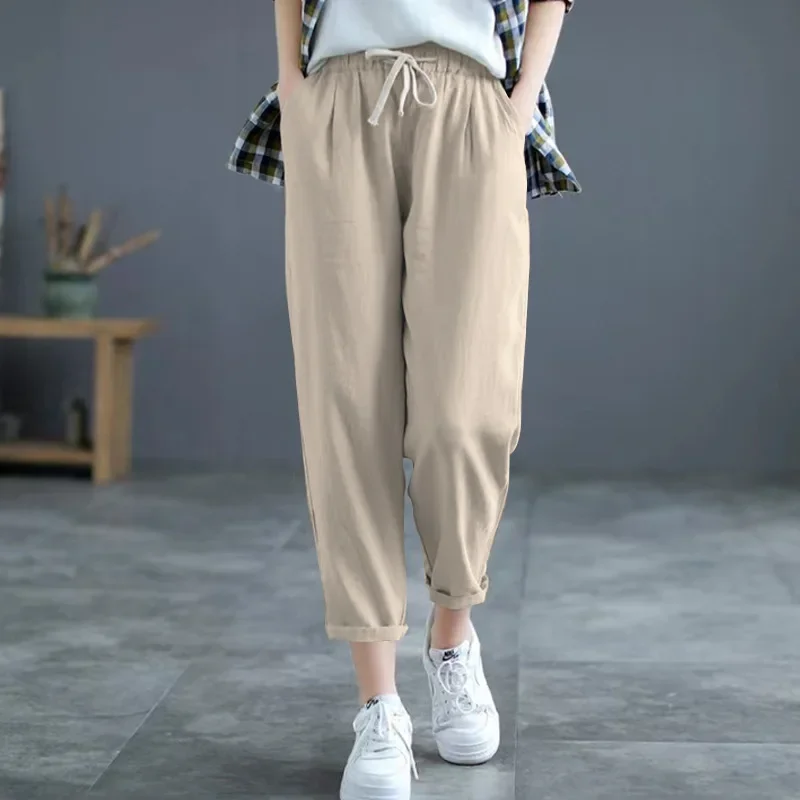
When temperatures rise, the fabric you wear matters. Linen stands out thanks to its breathability, lightweight feel, and moisture-wicking ability—making it one of the most comfortable choices for hot weather.
Superior Breathability & Airflow
One of the primary reasons why linen is the best summer fabric is its unmatched breathability. Linen fibers are hollow and structured in a way that promotes continuous airflow. The loose weave allows heat to escape instead of being trapped against your skin. This makes linen an ideal cooling fabric for hot climates, especially in tropical or humid environments.
Unlike synthetic fabrics like polyester, which tend to trap heat, linen acts almost like a natural ventilation system. Air flows in and out, keeping your body temperature regulated even during extreme heat.
This is why linen is often considered:
- A breathable fabric for summer heat
- A top choice for airflow fabric clothing
- One of the best options for temperature regulation clothing
If you’ve ever asked, “Does linen keep you cool?” — the answer is a clear yes.
Moisture-Wicking & Sweat-Friendly
Another key benefit of linen is its ability to handle moisture efficiently. Linen can absorb up to 20% of its weight in moisture without feeling damp. This makes it an excellent moisture-wicking fabric, especially for sweaty conditions.
In humid climates where sweat is unavoidable, linen helps:
- Keep your skin dry
- Reduce stickiness
- Prevent discomfort caused by damp clothing
Unlike synthetic materials that trap sweat, linen allows moisture to evaporate quickly. This is why it’s often described as the best fabric for sweaty weather. If you struggle with humidity, linen becomes a game-changer. It’s a truly non-sticky fabric for humidity, offering comfort even on the hottest days.
Lightweight & Comfortable Feel
Comfort is another major factor in choosing summer clothing, and linen excels here as well. Linen is naturally lightweight, which means it doesn’t weigh you down or cling to your body. Instead, it drapes loosely, allowing air to circulate freely. Over time, linen becomes even softer with each wash. Unlike some fabrics that degrade, linen improves with age, enhancing comfort without losing durability.
- Feels light and airy on the skin
- Doesn’t cling in hot weather
- Gets softer over time
This makes linen one of the most comfortable summer clothing fabrics, perfect for all-day wear.
Eco-Friendly & Sustainable Choice
In addition to comfort and performance, linen is one of the most eco-friendly summer fabrics available. Flax plants require significantly less water and fewer pesticides compared to cotton. The entire plant can be used, minimizing waste and making linen production highly sustainable.
- Low water consumption
- Minimal chemical use
- Biodegradable material
- Reduced environmental impact
When compared to synthetic fabrics, linen is far more environmentally responsible. It’s a top choice for those seeking sustainable linen production and biodegradable clothing materials. If you’re building a conscious wardrobe, linen is a natural fit.
Durability for Long-Term Use
Durability is often overlooked in summer fabrics, but it’s another area where linen stands out. Linen fibers are incredibly strong—stronger than cotton, especially when wet. This makes linen garments resistant to wear and tear over time. Unlike fast-fashion materials, linen offers:
- Long lifespan
- Resistance to stretching and damage
- Better structural integrity
This makes it ideal for creating a long-lasting summer wardrobe. If you’re asking, “Is linen a durable fabric?” — the answer is yes, and it often outperforms other natural fibers.
Timeless Summer Style & Aesthetic
Linen isn’t just functional—it’s also stylish. Its slightly wrinkled texture gives it a relaxed, effortless look that aligns perfectly with summer fashion trends. Rather than being seen as a flaw, wrinkles are considered part of linen’s natural charm. Linen is widely used in:
- Resort wear
- Beach outfits
- Minimalist wardrobes
- Casual summer fashion
Its breathable structure and natural texture create a look that is both elegant and laid-back. Whether you’re dressing for a vacation or everyday wear, linen delivers a relaxed summer fashion aesthetic that never goes out of style.
Linen vs Other Summer Fabrics (Comparison Guide)
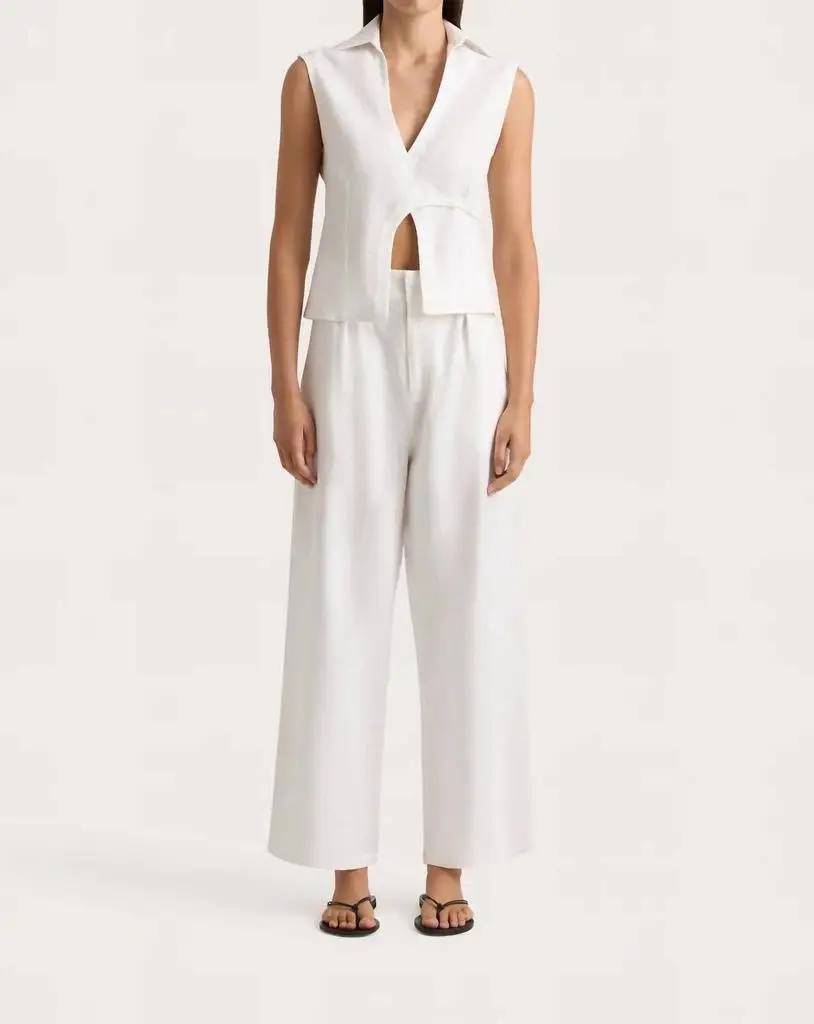
Choosing the right summer fabric isn’t just about preference—it’s about performance in real conditions like heat, humidity, and daily wear. Below is a practical comparison based on how these materials actually behave over time.
Linen vs Cotton
Cotton is often the default choice for summer, but when temperatures become intense, the differences become more noticeable.
Linen advantages:
- Superior airflow thanks to its looser weave
- Faster moisture evaporation, keeping skin drier
- Noticeably cooler feel in hot and humid climates
Cotton advantages:
- Softer on first wear
- Holds structure better for more polished looks
In everyday use, cotton tends to absorb moisture and hold onto it longer, which can lead to a slightly damp or heavy feeling in humidity. Linen, on the other hand, dries faster and maintains airflow, making it more reliable in consistently hot weather.
Linen vs Polyester
Polyester is widely used for its durability and low cost, but it’s not designed for heat comfort.
Linen advantages:
- Naturally breathable and temperature-regulating
- Does not trap heat against the body
- More eco-friendly and skin-friendly
Polyester limitations:
- Restricts airflow
- Traps heat and sweat
- Can feel sticky in humid conditions
While polyester performs well in durability tests, it lacks the comfort needed for high temperatures. Linen offers a more balanced experience between comfort, breathability, and long-term wearability.
Linen vs Rayon / Bamboo
Rayon and bamboo fabrics are often marketed as soft, modern alternatives, but their performance varies depending on conditions.
Linen advantages:
- Better airflow in extreme heat
- Stronger fibers for long-term use
- More effective in regulating body temperature
Rayon/Bamboo advantages:
- Softer and smoother texture
- Slightly better wrinkle resistance
These fabrics can feel comfortable in moderate conditions, but in high heat or humidity, linen consistently performs better due to its structure and moisture management.
Best Use Cases for Linen in Summer
Linen’s strength lies in its adaptability across different summer scenarios, especially where comfort and breathability are essential.
- Tropical climates: Performs exceptionally well in hot, humid environments where airflow and moisture control are critical.
- Beach vacations: Ideal for relaxed, breathable outfits that balance comfort and effortless style.
- Travel clothing: Lightweight, easy to pack, and suitable for long days in varying temperatures.
- Everyday wear: Works across casual and semi-formal settings, particularly in consistently warm climates.
In situations where heat and humidity are unavoidable, linen remains one of the most practical and reliable fabric choices.
Linen Care Tips for Summer (Keep It Fresh & Lasting)
Despite its premium qualities, linen is relatively easy to care for when handled properly.
Washing
- Use cold or lukewarm water
- Avoid harsh detergents
Drying
- Air dry whenever possible
- Use low heat if machine drying
Wrinkles
- Embrace the natural look
- Use a steamer for a smoother finish
Storage
- Store in a cool, dry place
- Avoid overcrowding to maintain shape
Proper care ensures your linen garments remain durable and comfortable for years.
Are There Any Downsides of Linen?
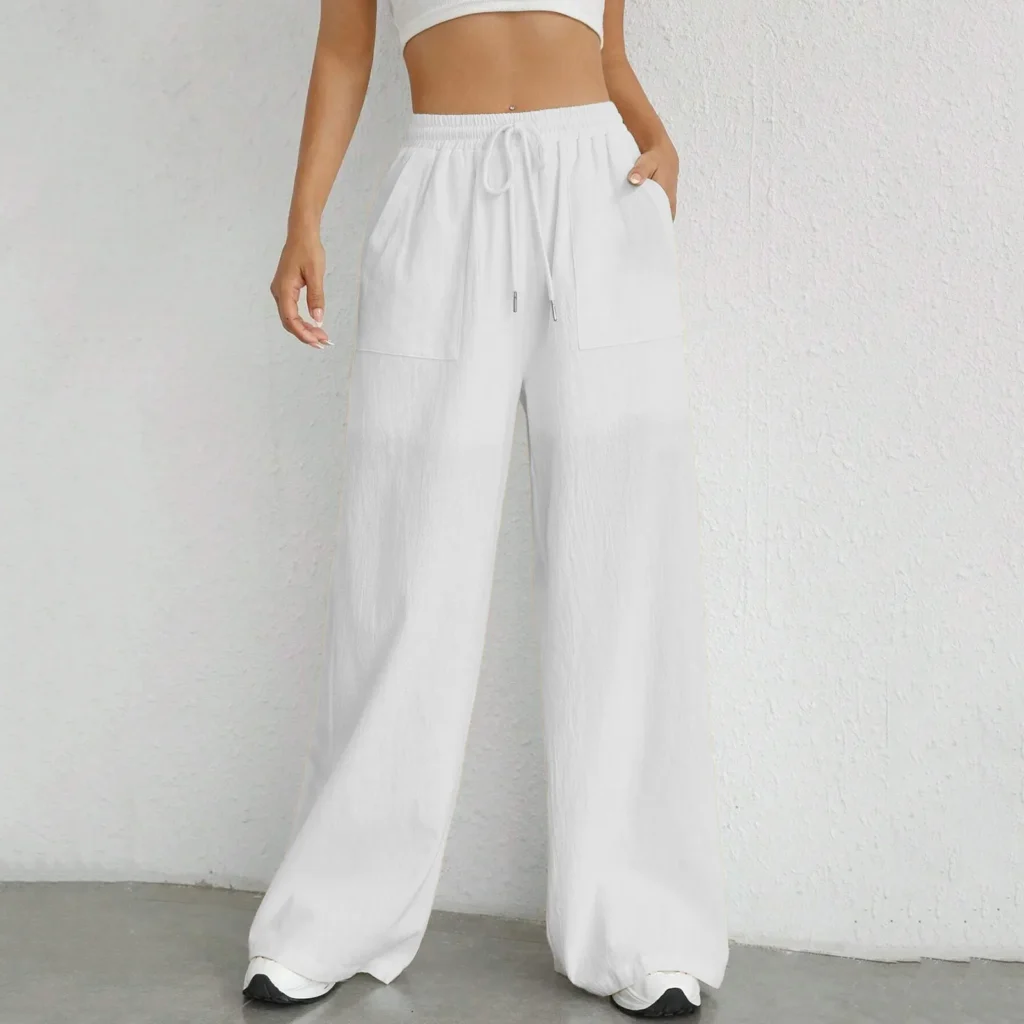
No fabric is completely without limitations, and linen is no exception. However, most of its so-called drawbacks are closely tied to its natural structure and long-term behavior rather than functional weaknesses.
- Wrinkles Easily: Linen is well known for creasing more than other fabrics. This happens due to its low elasticity and loose fiber structure. While this may appear as a disadvantage in formal contexts, in summer wear it is often accepted as part of its relaxed, natural aesthetic.
- Slightly Rough at First: New linen garments can feel somewhat stiff or coarse compared to cotton or synthetic blends. This is a temporary characteristic—linen fibers soften gradually with repeated washing and regular use, improving comfort over time.
- Higher Cost: Linen typically sits at a higher price point due to the labor-intensive extraction process from flax plants and the overall durability of the fabric. However, this higher initial cost is often balanced by its longer lifespan and sustained performance in hot climates.
Overall, these limitations are relatively minor when compared to the functional benefits linen provides in warm weather conditions.
FAQ about Why Linen Is The Best Summer Fabric?
A quick overview of the most common questions helps clarify how linen performs in real-world summer use.
Is linen cooler than cotton?
Yes. Linen generally performs better than cotton in hot weather due to its superior airflow and faster moisture evaporation, which helps maintain a cooler body temperature.
Is linen good for sweating?
Yes. Linen handles moisture effectively by absorbing and releasing it quickly, reducing the discomfort caused by sweat buildup in humid conditions.
Can you wear linen in extreme heat?
Yes. Linen is particularly well-suited for high temperatures, especially in dry or humid heat, where breathability and ventilation are essential.
Does linen shrink?
Linen may shrink when exposed to high heat during washing or drying. This can be minimized by using gentle wash cycles and air drying instead of high-temperature drying methods.
Why is linen so breathable?
Its breathability comes from the natural flax fibers and the open weave structure, which allows continuous airflow and prevents heat from being trapped against the skin.
Is linen worth it for summer?
Yes. Linen remains one of the most reliable summer fabrics due to its balance of comfort, durability, temperature regulation, and long-term wearability in hot climates.
Conclusion
After exploring all aspects—breathability, comfort, sustainability, durability, and style—it becomes clear why linen is the best summer fabric. It outperforms cotton in airflow, surpasses polyester in comfort, and offers a level of natural cooling that few materials can match. Whether you’re dealing with tropical humidity, planning a summer getaway, or upgrading your wardrobe, linen provides a complete solution. At StrideLinen, we see linen not just as a fabric, but as a lifestyle choice—one that prioritizes comfort, sustainability, and timeless style. If your goal is to stay cool, look effortless, and invest in quality, linen is without question the ultimate summer fabric.