At StrideLinen, we often get one recurring question from customers building their summer wardrobe: Linen Pants vs Linen Blends — which one should you actually buy? As breathable, lightweight trousers become essential in warm and humid climates, the debate between 100% linen pants and linen blend pants has become more important than ever. Both fabrics are widely used in modern fashion, especially for summer outfits, travel wear, and smart casual styling. However, they perform very differently in terms of comfort, durability, maintenance, and overall value.
This complete guide breaks down the key differences between linen pants vs linen blends, using fabric science, real-world wearability, and style considerations. Whether you are building a minimalist wardrobe, searching for breathable pants for summer, or trying to decide between pure linen vs blended linen trousers, this article will help you make a confident and informed choice.
What Are Linen Pants?
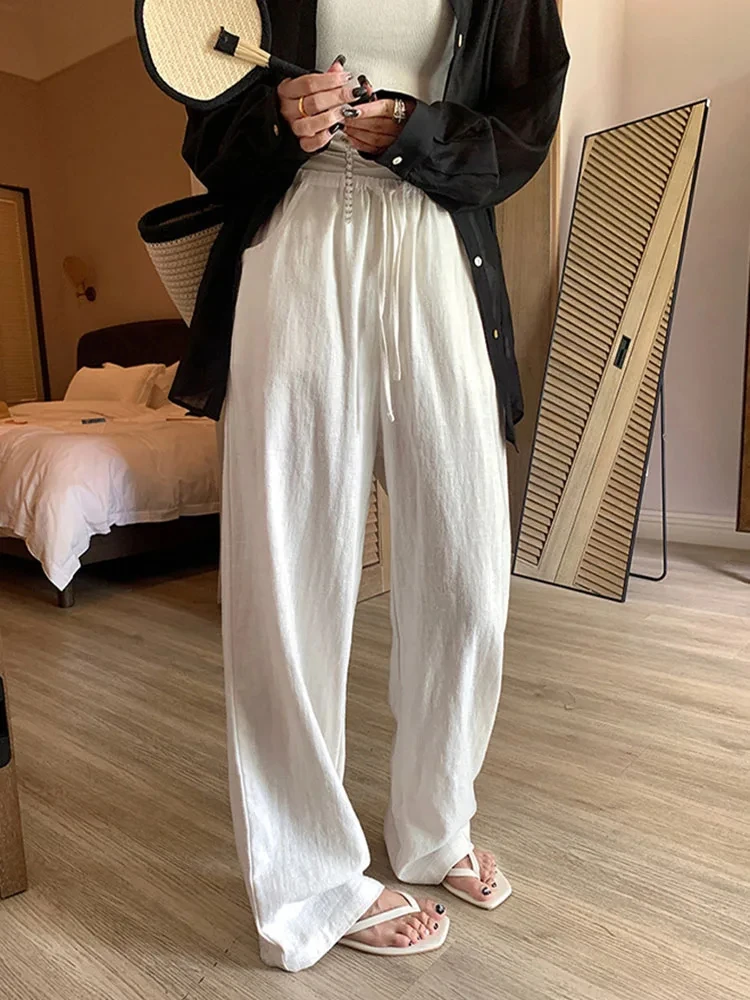
Linen pants are often considered a staple in warm-weather wardrobes due to their natural origin and performance-driven properties. Understanding how they are constructed helps explain why they behave so differently compared to modern blended fabrics.
Understanding 100% Linen Fabric
Linen pants are made from 100% natural flax fibers, one of the oldest and most sustainable textile materials in the world. Linen is known for its exceptional breathability and moisture-wicking properties, making it one of the best fabrics for hot and humid weather.
Unlike synthetic materials, linen fibers have a loose weave structure that allows air to circulate freely. This is why many people consider pure linen trousers the gold standard for summer clothing.
Key Characteristics of Linen Pants
When analyzing linen fabric properties vs blended fabric, pure linen stands out in several ways:
- Extremely breathable and airy
- Lightweight and cool on the skin
- Highly absorbent (absorbs moisture without feeling wet)
- Natural textured appearance
- Eco-friendly and biodegradable
However, linen also has a few well-known drawbacks:
- Wrinkles easily
- Can feel stiff at first wear
- Requires careful maintenance
- Less structured compared to blended fabrics
Despite these limitations, many fashion enthusiasts still prefer linen for its natural aesthetic and comfort in extreme heat.
What Are Linen Blend Pants?
Linen blend pants are designed to bridge the gap between natural comfort and everyday practicality, offering a more versatile alternative to pure linen.
What Is Linen Blend Fabric?
Linen blend pants combine flax-based linen fibers with other materials such as cotton, polyester, or viscose. The primary purpose of blending is to enhance durability, improve wrinkle resistance, and create a more structured finish without completely losing the breathable qualities of linen. This combination makes linen blends particularly suitable for modern urban lifestyles, where clothing is expected to perform across multiple settings—work, travel, and casual wear—without requiring constant maintenance.
Common Types of Linen Blends
Different fiber combinations produce noticeably different results, which is why understanding blend types is essential:
- Cotton-linen blends: Balanced softness and breathability, suitable for everyday comfort
- Polyester-linen blends: Increased durability, improved wrinkle resistance, and sharper structure
- Viscose-linen blends: Smooth drape with a lightweight, refined finish
Each variation represents a different balance between comfort, appearance, and practicality, which directly influences how the garment performs in real-life use.
Linen Pants vs Linen Blends: Key Differences
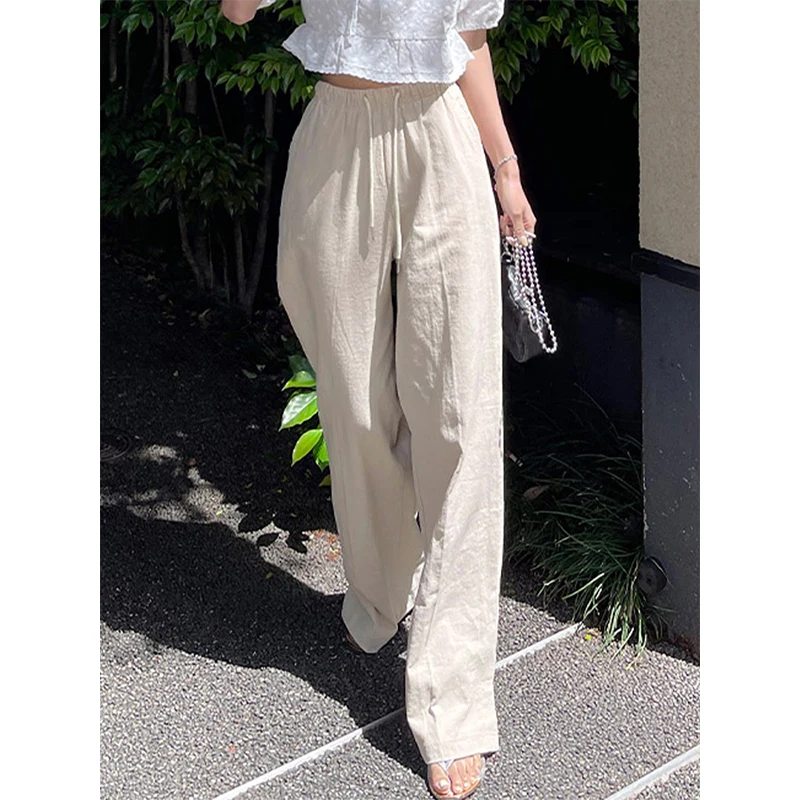
A clear comparison between linen and linen blends becomes most meaningful when each aspect of performance is broken down in real wearing conditions, from comfort and climate adaptability to durability and care requirements.
Breathability & Comfort
When evaluating linen vs linen blend for summer, breathability is the most important factor to consider, as it directly impacts comfort in hot and humid environments.
- Linen pants: deliver maximum airflow thanks to their loose natural weave, making them highly effective for extreme heat and tropical climates where cooling performance is essential.
- Linen blends: still maintain a good level of breathability, but airflow is slightly reduced depending on the added fibers, which helps create a more balanced feel for everyday city wear.
Softness & Skin Feel
The texture of the fabric plays a key role in the decision between linen pants or linen blend pants, especially for long hours of wear.
- Linen: has a crisp, slightly textured surface that reflects its natural fiber origin, offering an authentic but more structured hand feel.
- Linen blends: are generally softer and smoother due to the inclusion of cotton, viscose, or synthetic fibers, making them more comfortable for prolonged contact with the skin.
Wrinkle Resistance
Wrinkle behavior is one of the most noticeable differences in the linen vs linen blend fabric comparison, especially in real-life daily use.
- Linen pants: tend to wrinkle easily due to the low elasticity of natural flax fibers, which creates a relaxed but less structured appearance throughout the day.
- Linen blends: offer significantly better wrinkle resistance, particularly polyester-based blends, helping the garment maintain a cleaner and more polished look with minimal effort.
Durability & Longevity
Long-term performance is an important factor when deciding should I buy linen or linen blend pants, especially for frequent wear.
- Linen: is naturally strong and durable, but repeated washing and constant friction can gradually reduce its structural integrity over time.
- Linen blends: are typically more durable in everyday use because the added fibers reinforce the fabric, improving resistance to wear and extending overall lifespan.
Maintenance & Care
Ease of care often becomes a deciding factor for modern wardrobes where convenience is a priority.
- Linen pants: require more careful maintenance, including gentle washing, air drying, and occasional steaming or ironing to preserve their natural appearance.
- Linen blend pants: are much easier to maintain, as many options are machine washable, dry faster, and require minimal ironing, making them suitable for low-effort daily use.
Linen Pants vs Linen Blends for Different Occasions
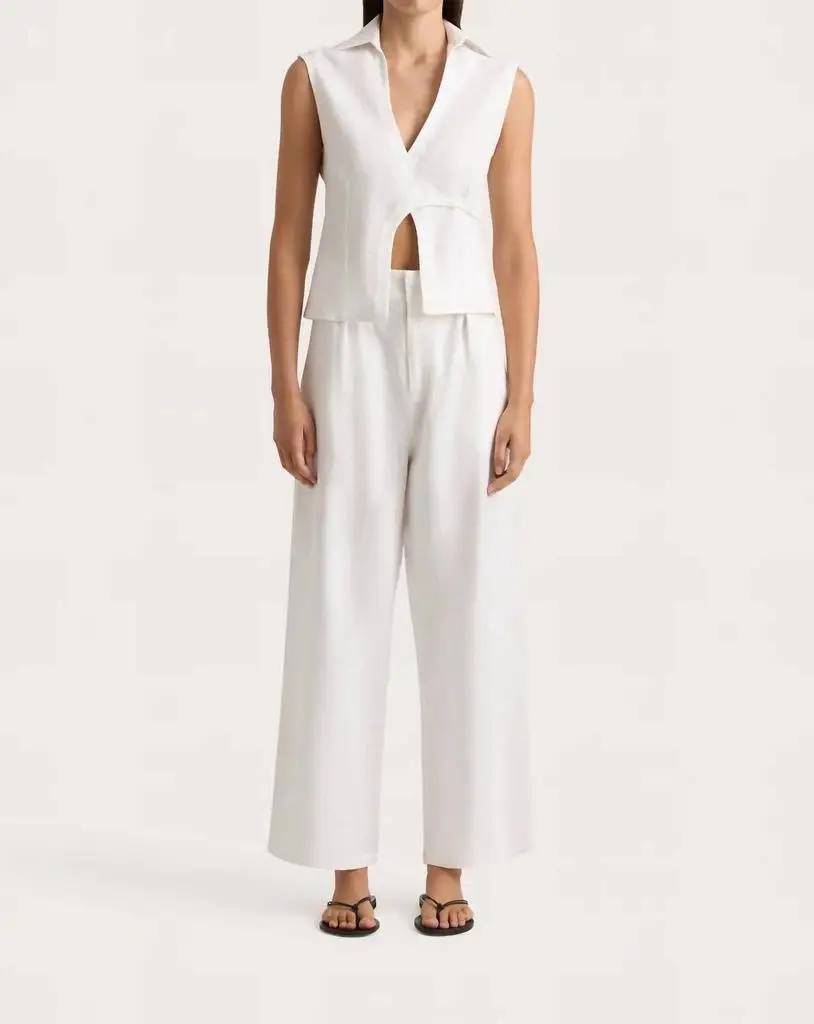
Choosing between linen and linen blends becomes much clearer when evaluated through real-life wearing contexts, as each fabric performs differently depending on environment, activity level, and styling expectations.
Casual Everyday Wear
For relaxed, day-to-day summer outfits, the choice between linen pants vs linen blends often comes down to balancing aesthetics with practicality.
- Linen blends are generally more practical for daily wear due to their improved durability, reduced wrinkling, and easier maintenance, making them suitable for frequent use without requiring constant upkeep.
- Linen, on the other hand, delivers a more natural and effortless aesthetic, with its signature texture and relaxed drape creating a laid-back summer look that many associate with timeless warm-weather style.
In essence, linen is favored for visual character and authenticity, while blends provide functional consistency for everyday routines.
Office & Smart Casual Wear
In professional and semi-formal environments, structure, appearance, and fabric stability become key considerations.
- Linen blends are typically the stronger option for office wear linen trousers comparison, as they maintain shape better throughout the day and resist wrinkling even with extended sitting or movement. This helps preserve a clean, presentable appearance in work settings.
- Pure linen, while stylish in a relaxed sense, may appear overly casual or slightly unstructured during long office hours, especially in formal or client-facing environments.
For smart casual styling, linen blends are often the safer and more reliable choice, offering a balance between comfort and professional presentation.
Travel & Vacation Clothing
When it comes to travel wardrobes, functionality and convenience play a more important role than strict styling rules.
- Linen is particularly well-suited for tropical destinations, resort settings, and beachwear due to its excellent breathability and cooling performance in hot climates.
- Linen blends, however, perform better during transit and long trips, as they resist wrinkling inside luggage and require less maintenance after unpacking. This makes them more practical for flights, city travel, and multi-day itineraries.
For a well-rounded travel capsule wardrobe, combining both fabrics often delivers the best overall flexibility.
Hot & Humid Weather
In extreme heat conditions, fabric performance becomes the defining factor in comfort.
- Linen clearly stands out in hot and humid climates due to its superior airflow and natural cooling ability, making it one of the most effective fabrics for temperature regulation.
- Linen blends still offer acceptable performance in warm weather, but the added fibers slightly reduce ventilation efficiency. However, this trade-off improves structure and durability, which can be beneficial in urban environments.
For regions such as Southeast Asia or other tropical climates, linen pants are often the preferred choice for maximum comfort.
Pros and Cons of Linen Pants
A balanced view of linen requires understanding both its strengths and practical limitations in everyday wear.
Advantages of 100% Linen Pants:
- Exceptional breathability, ideal for summer and tropical climates
- Natural and eco-friendly fabric with sustainable origins
- Lightweight structure that enhances cooling comfort
- Distinctive relaxed aesthetic suitable for casual and resort styling
- Strong visual identity in minimalist and summer wardrobes
Disadvantages of Linen Pants:
- Prone to wrinkling even with careful ironing or steaming
- Requires consistent maintenance to preserve appearance
- Less structured silhouette compared to blended fabrics
- Not ideal for highly formal or rigid dress codes
Pros and Cons of Linen Blend Pants
Linen blends are designed to enhance practicality while maintaining a degree of natural fabric comfort.
Advantages of Linen Blends:
- Improved wrinkle resistance for a cleaner, longer-lasting appearance
- Higher durability, suitable for frequent and everyday wear
- Easier maintenance with machine-washable options
- Often more affordable compared to pure linen garments
- Versatile enough for both office and casual city outfits
Disadvantages of Linen Blends:
- Slightly reduced breathability compared to 100% linen
- Less natural texture and feel depending on blend composition
- Quality varies significantly based on fiber ratio and production standards
- Low-quality blends may feel less premium or slightly synthetic
Linen Pants vs Linen Blends: Price Comparison
When evaluating linen pants price vs linen blend price, there are noticeable differences:
- 100% linen pants: Typically higher price due to natural fiber sourcing and production cost
- Linen blends: More affordable and widely available
From a value perspective:
- Linen = premium comfort and breathability
- Linen blends = cost-effective durability and practicality
If you are building a long-term wardrobe, blends offer better cost efficiency. If you prioritize premium summer comfort, linen justifies its price.
Which One Should You Buy?
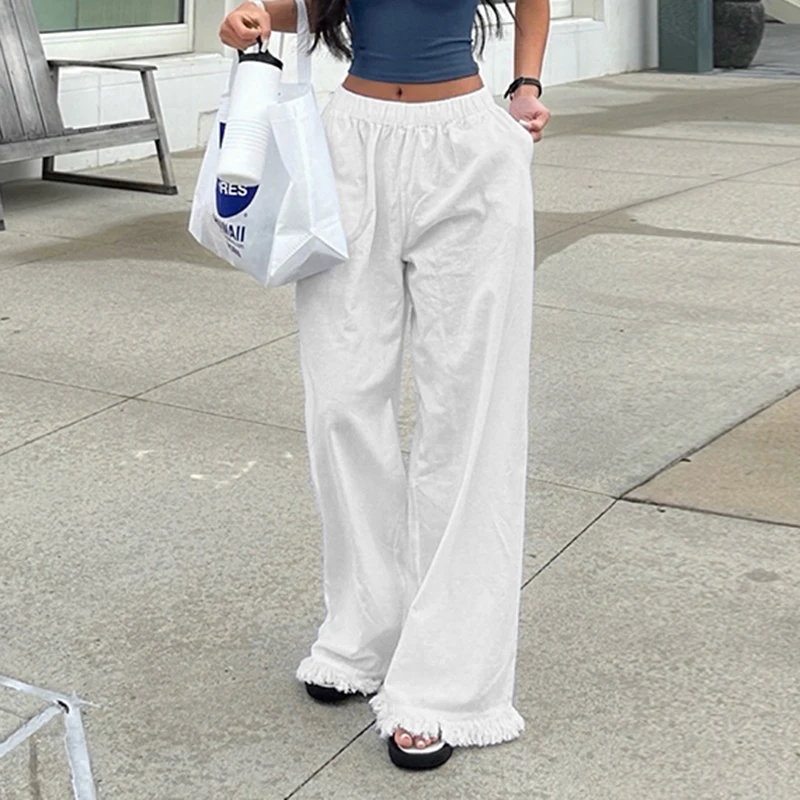
The decision between linen pants vs linen blend pants is less about which fabric is superior and more about how each one aligns with specific lifestyle demands, climate conditions, and daily dressing habits.
Choose Linen Pants If You Want
Linen becomes the preferred choice when comfort, breathability, and natural fabric performance are the top priorities.
- Maximum breathability for hot and humid weather, especially in tropical or high-temperature climates
- Natural, eco-friendly clothing made from sustainable flax fibers
- Relaxed vacation or resort outfits that emphasize ease and airflow
- Minimalist summer wardrobe aesthetics with a soft, effortless drape
- Premium natural texture that reflects an authentic, breathable fabric experience
Linen is particularly well-suited for individuals living in consistently warm regions or those who prioritize thermal comfort and natural fabric feel over structural precision or low maintenance.
Choose Linen Blend Pants If You Want
Linen blends are designed for practicality and consistency, making them a strong option for structured daily wear and professional environments.
- Easy maintenance with reduced need for ironing or special care
- Wrinkle-resistant appearance suitable for office and work settings
- Durable construction for frequent, everyday use
- Office-friendly smart casual outfits that maintain a polished look throughout the day
- Better overall value for money in long-term wardrobe rotation
Linen blends are especially suitable for urban lifestyles where clothing must balance appearance, convenience, and durability across multiple daily contexts.
Conclusion
There is no universal winner in the linen pants vs linen blends debate because each fabric serves a different purpose. Linen stands out for its exceptional breathability, natural comfort, and superior performance in hot weather, while linen blends are valued for their practicality, durability, and easy maintenance. Ultimately, the best choice depends on your lifestyle, climate, and fashion needs, and many people benefit from owning both. At StrideLinen, we recommend choosing linen when comfort and breathability matter most, and opting for linen blends when you need structure, convenience, and long-lasting wear—the right fabric is simply the one that fits your daily life, not just your wardrobe.