At StrideLinen, we believe linen pants are more than just seasonal fashion—they are a long-term wardrobe investment built for comfort, breathability, and timeless style. That’s why understanding How to Identify High-Quality Linen Pants is essential before making a purchase, especially since not all linen pants are created equal.
Many people experience the frustration of buying linen that feels rough, looks cheap, or loses its shape after a few washes. High-quality linen, however, delivers a completely different experience with breathable airflow in hot and humid climates, a naturally soft texture that improves over time, and a durable weave that lasts for years. In this guide, StrideLinen breaks down a practical checklist to help you evaluate fabric, stitching, and construction like a professional buyer.
Why High-Quality Linen Pants Are Worth Investing In?
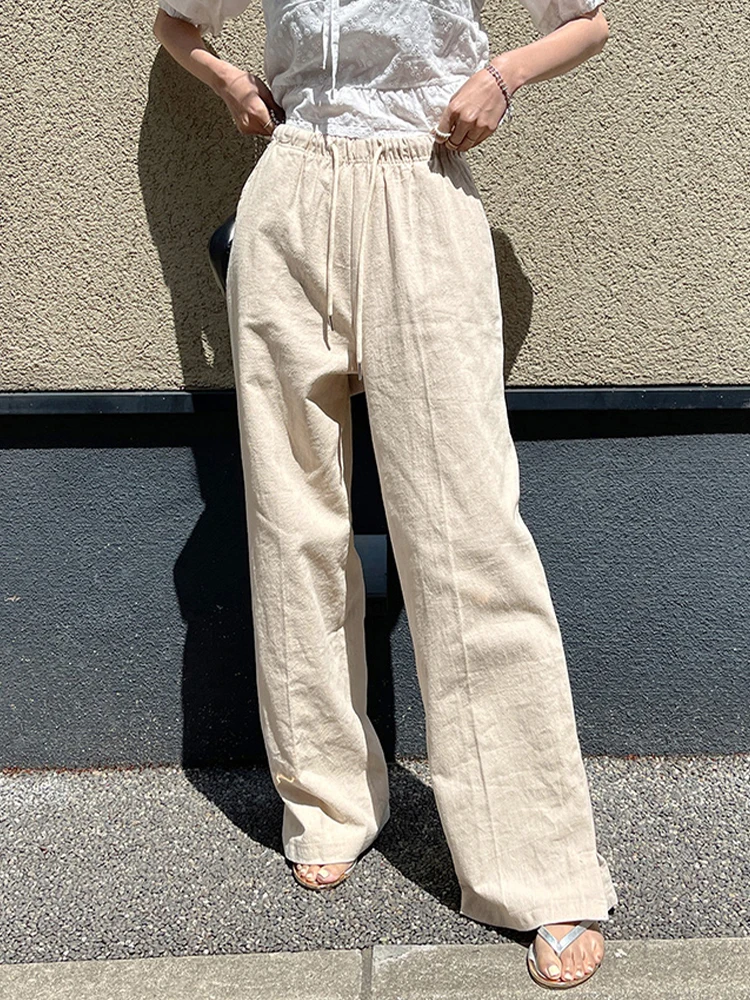
Before learning how to identify quality, it’s important to understand why it matters in the first place.
- Superior Breathability for Hot and Humid Climates: One of the biggest advantages of premium linen is its natural breathability. Linen fibers are hollow, allowing air to circulate freely. This makes high-quality linen pants ideal for tropical weather, summer travel, and all-day wear in warm conditions. Cheap linen or synthetic blends often trap heat, reducing airflow and causing discomfort.
- Long-Term Durability and Wear Resistance: High-quality linen is made from strong natural flax fibers. When woven properly, it becomes one of the most durable natural fabrics available. It resists tearing, improves with age, and maintains its structure even after repeated washing. Low-quality linen tends to pill, thin out, or lose shape quickly.
- Natural Comfort and Skin-Friendly Texture: Premium linen offers a soft yet slightly textured feel that becomes smoother over time. It is hypoallergenic, moisture-wicking, and gentle on sensitive skin—making it perfect for daily wear.
- Timeless Aesthetic and Versatility: Well-made linen pants drape naturally and maintain a relaxed yet refined silhouette. They can be styled for casual wear, office outfits, travel wardrobes, or minimalist fashion collections.
Understanding What Defines High-Quality Linen Pants
To truly master How to Identify High-Quality Linen Pants, you need to understand the core components that define quality.
Fabric Composition (100% Linen vs Linen Blends)
The first thing to check is fabric composition.
- 100% linen: Highest breathability, natural texture, premium feel
- High-quality blends (80–90% linen): Slightly softer, less wrinkling, still breathable
- Low-quality blends: Often mixed with polyester or synthetic fibers, reducing airflow and comfort
A key rule: if the fabric contains too much synthetic material, it loses the natural benefits of linen.
Weave Structure and Density
Weave is one of the most important quality indicators.
- Tight weave: More durable, smoother appearance, longer lifespan
- Loose weave: More breathable but may be fragile or see-through
- Uneven weave: Sign of low-quality manufacturing
High-quality linen pants always have consistent, even weaving without visible gaps or irregular threads.
Fabric Weight (GSM and Thickness)
Fabric weight affects both comfort and durability.
- Lightweight linen: Very breathable, ideal for summer but may be slightly sheer
- Medium-weight linen: Best balance of durability and comfort
- Heavy linen: More structured, less breathable, often used for tailored styles
Premium linen pants usually fall in the lightweight to medium-weight range.
High-quality linen often has a natural “slub” texture—slightly uneven fibers that create a relaxed, organic look. If the fabric looks overly smooth, shiny, or synthetic, it may not be pure linen.
Checklist: How to Identify High-Quality Linen Pants?
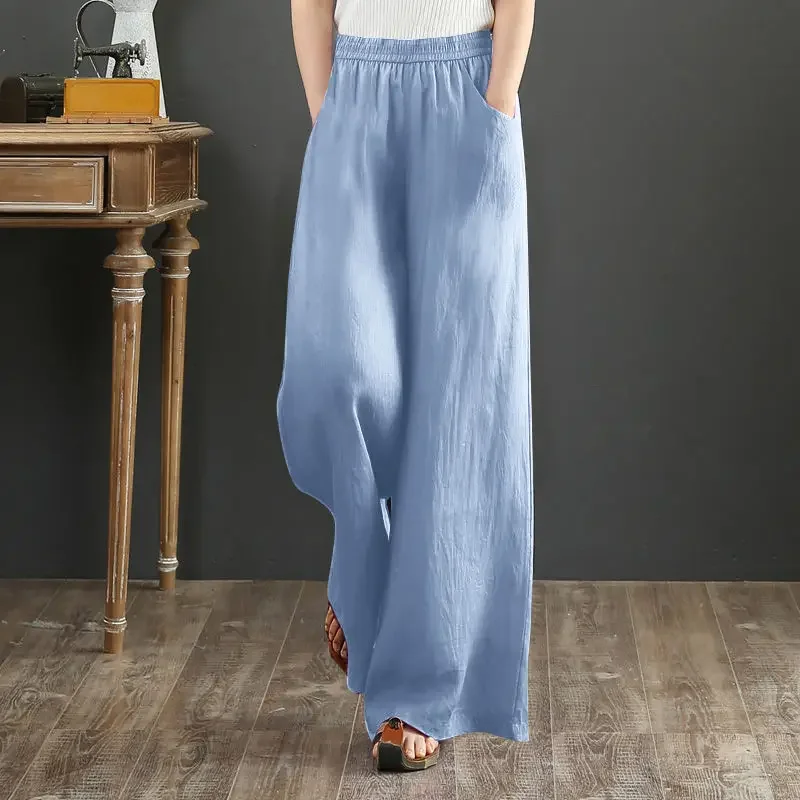
A structured evaluation checklist used by experienced buyers helps distinguish premium linen pants from low-grade alternatives in seconds. Each factor below reflects real-world quality indicators seen in durable, well-constructed linen garments.
Fabric Composition Check
Fabric composition is the foundation of linen quality and should always be verified first.
- Prioritize 100% linen for maximum breathability and natural texture
- Accept high-quality blends (80%+ linen) only when softness or reduced wrinkling is a priority
- Avoid fabrics with high synthetic content such as polyester, which reduces airflow and durability
- Be cautious of vague labeling like “linen-style” or “linen-feel,” which often indicates non-linen materials
A higher linen percentage generally correlates with better temperature regulation, natural aging, and long-term wear performance.
Breathability and Texture Test
Breathability and hand-feel provide immediate insight into fabric authenticity.
- Hold fabric up to light to assess airflow and fiber openness
- Quality linen allows visible light diffusion without appearing overly sheer or flimsy
- The surface should feel cool, dry, and slightly textured rather than smooth or coated
- Avoid materials with a waxy, synthetic, or plastic-like touch
Well-made linen maintains a natural tactile identity that improves comfort in hot and humid environments.
Stitching and Construction Quality
Construction quality directly determines garment lifespan and structural integrity.
- Stitching should appear even, tight, and consistent across all seams
- High-stress zones such as pockets, crotch, and waistband require reinforced stitching
- Interior finishing should be clean, without fraying threads or loose ends
- Hem alignment should remain straight and stable under light tension
Poor stitching is one of the earliest indicators of low-cost production and reduced durability.
Waistband Strength and Structure
The waistband reflects both comfort engineering and tailoring precision.
- Elastic should provide balanced tension without feeling restrictive
- Waistbands must retain shape after stretching, without twisting or folding
- Drawstrings should be securely anchored with reinforced stitching points
- Structured waistbands typically indicate higher-grade garment construction
A weak waistband often leads to deformation after minimal use or repeated washing.
Hardware Quality (Zippers, Buttons, Fasteners)
Hardware details are small but highly revealing quality markers.
- Zippers should operate smoothly without resistance or misalignment
- Buttons must feel dense, stable, and firmly stitched into the fabric
- Avoid hollow, lightweight, or visibly plastic hardware components
- Metal hardware generally signals better durability and long-term performance
Reliable hardware contributes significantly to overall garment lifespan.
Transparency and Fabric Density Test
Fabric density determines both aesthetics and functional durability.
- Slight transparency is expected in lightweight linen, especially in summer fabrics
- Excessive see-through areas indicate weak fiber density or poor weaving quality
- Balanced diffusion of light suggests controlled weaving and consistent thread distribution
- High-quality linen maintains structure without appearing overly thick or overly fragile
This test helps separate breathable premium linen from under-constructed fabrics.
Wrinkle Behavior and Natural Aging
Wrinkle behavior is a defining characteristic of linen quality and finishing technique.
- Premium linen develops soft, natural creases that appear intentional and relaxed
- Low-grade linen often forms sharp, rigid wrinkles that look unrefined or “crushed”
- Quality fabric gradually softens and adapts to body movement over time
- The ideal outcome is controlled natural wrinkling that enhances aesthetic character
Proper aging is a hallmark of well-processed flax fibers and good finishing treatment.
Drape and Silhouette
Drape performance reflects both fabric quality and pattern engineering.
- High-quality linen falls naturally along the leg with fluid movement
- The silhouette should maintain structure without stiffness or excessive rigidity
- Fabric should respond smoothly to motion rather than holding static creases
- A balanced silhouette appears relaxed, yet visually refined and intentional
Good drape separates premium tailoring from mass-produced, low-cost garments.
Color Consistency and Fabric Finish
Color and finishing techniques reveal refinement in production standards.
- Premium linen typically features muted, natural tones rather than overly saturated colors
- Dye distribution should remain even across seams and folds
- Avoid unnatural shine, which often signals synthetic blending or chemical finishing
- Pre-washed or stone-washed finishes enhance softness and create a more lived-in, premium feel
Consistent finishing reflects controlled production processes and higher fabric grading.
Fit and Comfort Indicators of Premium Linen Pants
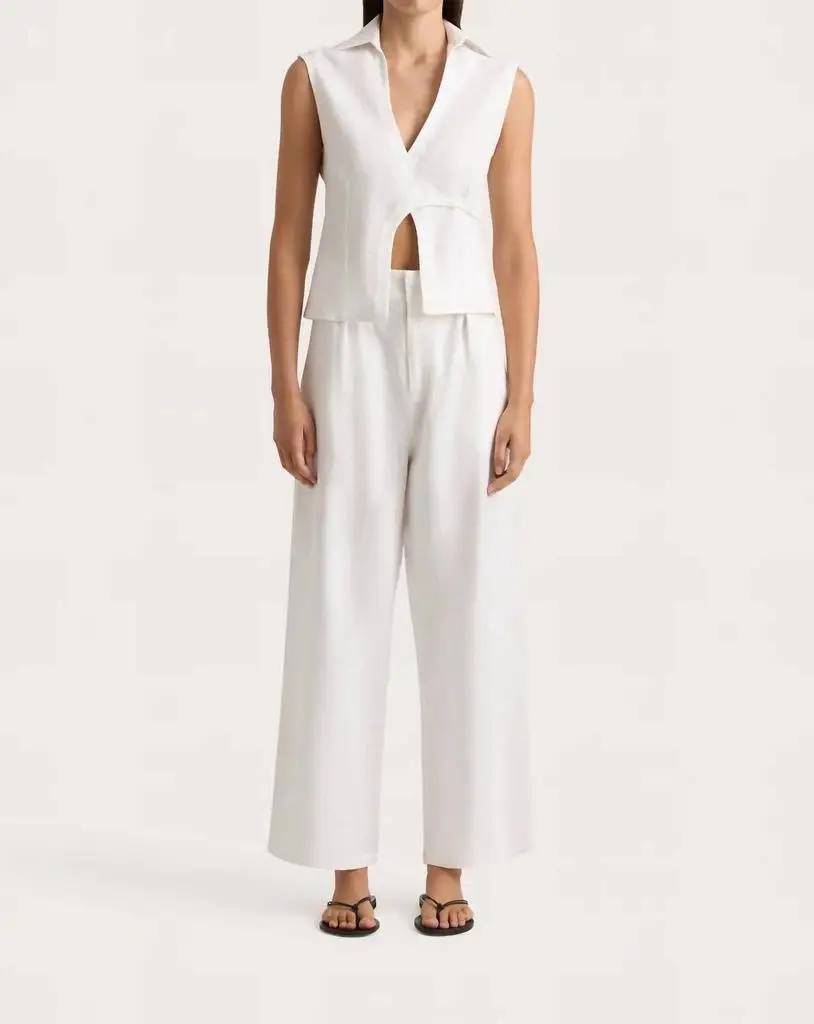
Fit and comfort are often the final proof of true linen quality, where fabric performance meets garment design. Even the best linen can feel average if the construction and silhouette are not properly engineered.
Relaxed but Structured Fit
Premium linen pants are designed to balance ease of movement with visual refinement.
- A naturally relaxed fit around the waist and thighs allows unrestricted comfort throughout the day
- Slight tapering or straight-leg silhouettes help maintain a clean, modern shape without looking oversized
- Proper construction prevents sagging, even after extended wear or repeated washing
- The overall fit should feel effortless yet intentional, avoiding both stiffness and excessive looseness
Well-designed linen pants maintain structure while preserving the fabric’s natural flow.
Mobility and Flexibility
True quality becomes most noticeable during movement and daily activity.
- Sitting should feel comfortable without pressure or tight pulling across the hips or thighs
- Walking should not create stiffness or resistance in the fabric
- Linen should move naturally with the body, especially in warm or humid conditions
- High-quality construction prevents restriction in key motion zones such as the knees and seat
Flexibility is a key indicator of both fabric integrity and pattern engineering.
Skin Comfort in Warm Weather
Linen is often chosen for its performance in heat, but quality determines the actual comfort experience.
- Premium linen provides a cool, breathable sensation upon contact with the skin
- Moisture absorption helps regulate body temperature and reduce stickiness
- Air circulation within the weave minimizes overheating during prolonged wear
- Smooth fiber finishing reduces irritation, even in high-humidity environments
High-grade linen consistently supports thermal comfort rather than trapping heat.
Common Signs of Low-Quality Linen Pants
Low-quality linen can often be identified through a combination of visual, tactile, and performance flaws that become apparent after minimal use.
- Fabric feels rough, scratchy, or artificially coated rather than naturally textured
- Excessive surface shine often indicates synthetic fiber blending
- Weak or uneven stitching leads to early seam failure
- Garments lose shape quickly after washing or extended wear
- Fabric may pill, thin out, or degrade with minimal friction
- Breathability is reduced, especially in warm or humid environments
- Drape appears stiff, unnatural, or overly structured without flow
These signs typically reflect cost-driven manufacturing rather than fabric integrity.
Best Use Cases for High-Quality Linen Pants
High-quality linen pants are versatile pieces that adapt well across different lifestyle contexts.
- Everyday Summer Wear: Ideal for daily use in hot climates due to natural airflow and lightweight comfort. Linen performs best in casual, relaxed environments where breathability is essential.
- Travel and Vacation Outfits: A preferred choice for travel wardrobes due to portability and comfort. Linen pants pack easily, resist overheating, and remain comfortable during long movement periods.
- Office Casual Styling: Neutral-toned linen pants in shades such as beige, white, or black work well in smart-casual office settings. They offer a balance between professionalism and relaxed elegance.
- Capsule Wardrobe Essential: Linen pants are often included in minimalist wardrobes due to their versatility. A well-made pair can transition across multiple outfits without losing relevance or style consistency.
How to Test Linen Pants Before Buying?
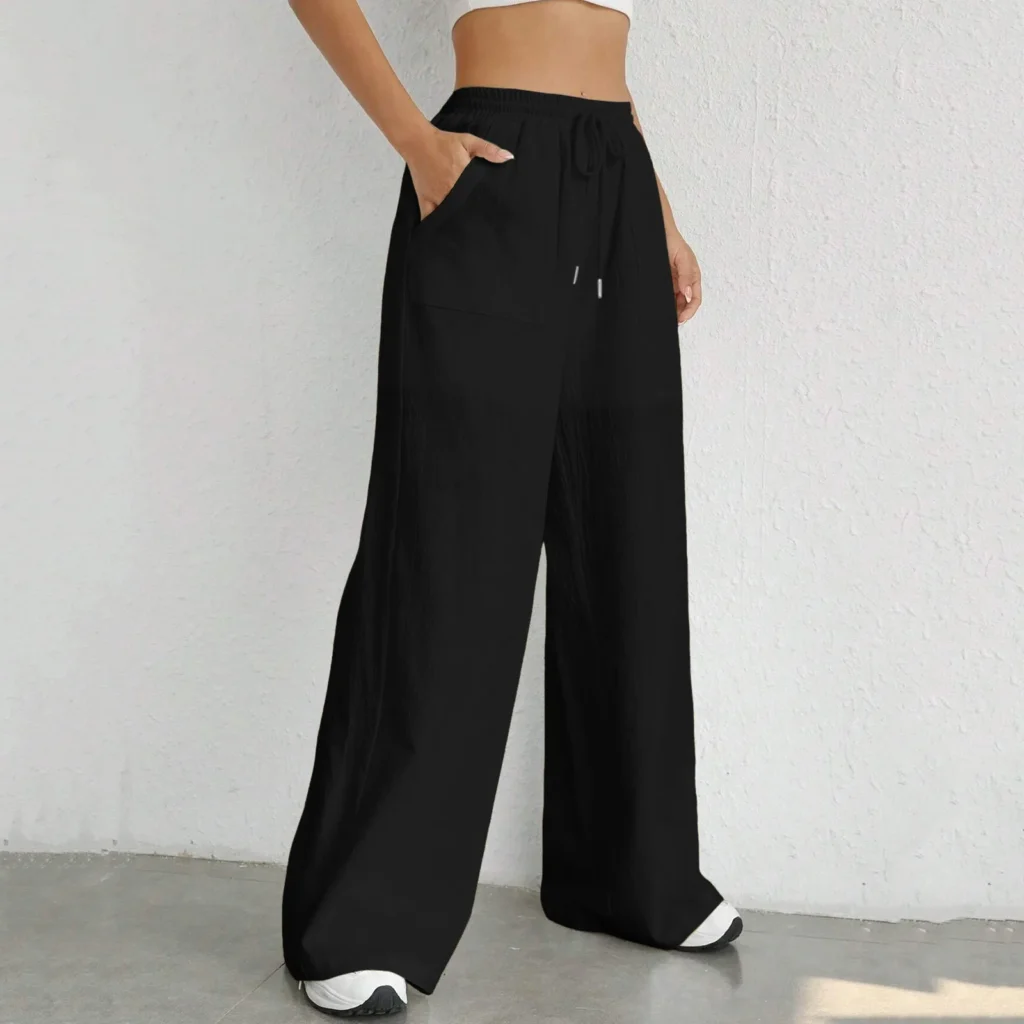
Online Shopping Tips
Evaluating linen quality online requires attention to detail and product transparency.
- Zoom into product images to inspect weave texture and fabric density
- Review material composition carefully, prioritizing clear linen percentage disclosure
- Look for indicators such as “pre-washed” or “garment-washed,” which often improve softness and comfort
- Analyze customer reviews for long-term feedback on durability and fabric behavior
In-Store Testing Tips
Physical inspection provides the most accurate quality assessment.
- Touch the fabric to evaluate softness, texture, and natural breathability
- Gently stretch the waistband to test elasticity and recovery
- Hold fabric against light to assess density and transparency balance
- Examine internal stitching to ensure clean finishing and reinforcement quality
These simple checks quickly reveal construction standards and fabric grade.
Conclusion
At StrideLinen, we believe that once you understand How to Identify High-Quality Linen Pants, you no longer buy blindly—you invest intentionally. Every detail, from fabric composition to stitching quality and drape, tells a story about how your linen pants will perform over time. High-quality linen doesn’t just look better; it feels better, lasts longer, and adapts to your lifestyle—especially in warm and humid climates where breathability and comfort matter most. By using this checklist, you can confidently separate premium linen from low-quality alternatives and build a wardrobe that truly lasts.