Finding the perfect fit for linen trousers can be surprisingly challenging, especially when shopping online. Unlike denim or synthetic fabrics, linen has a natural drape, minimal stretch, and a relaxed structure that makes sizing less predictable. That’s why many people struggle with questions like how should linen pants fit, what size linen trousers should I choose, or how to measure waist and inseam correctly for linen pants, all of which are central to understanding How to Choose the Right Linen Pants Size.
At StrideLinen, we believe the right fit goes beyond a size chart—it’s about comfort, breathability, and how the fabric moves with your body. This guide will help both men and women choose the perfect linen trousers by covering size charts (US, UK, EU), fit types like relaxed and slim fit, key measurement techniques, and common mistakes such as shrinkage and sizing errors when buying online.
Why Choosing the Right Linen Pants Size Matters?
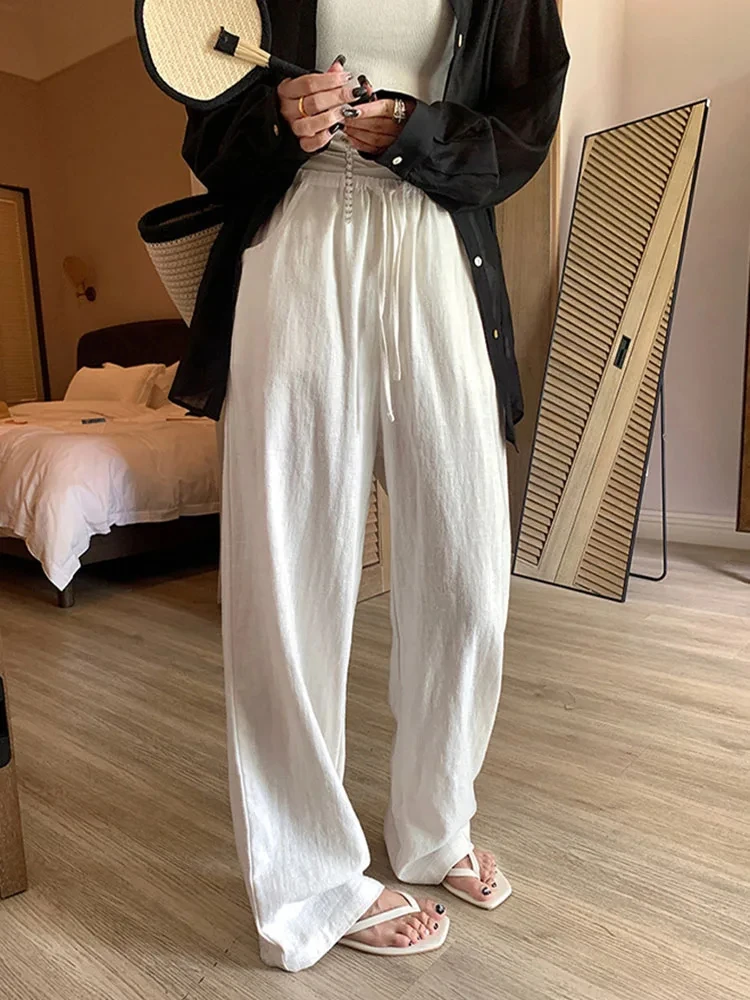
Linen is one of the most breathable and comfortable fabrics for warm weather, but it behaves very differently compared to stretch fabrics. Understanding this is the first step in learning how to choose linen pants size correctly.
Natural fabric behavior affects fit
Linen is made from flax fibers, which means:
- It has no elastic recovery like synthetic blends
- It creates a natural relaxed drape
- It may feel slightly looser after wear but not stretchy
This makes choosing the correct size extremely important. A wrong size can result in:
- Waist gaps or tight compression
- Excessive bagginess in wide-leg linen pants
- Short or awkward inseam length issues
Comfort vs style balance
When choosing linen trousers, you are balancing:
- Comfort (breathability, airflow, looseness)
- Style (structured look, silhouette, proportion)
That’s why understanding linen pants fit guide principles is essential.
Understanding Linen Pants Fit Types
Before choosing a size, it is essential to understand how different linen pants fits are designed to behave on the body. Unlike structured fabrics, linen relies heavily on cut and silhouette rather than stretch, meaning each fit type directly influences comfort, proportions, and sizing accuracy. A clear understanding of these categories helps avoid common mistakes such as sizing too tightly or choosing the wrong rise and leg shape.
Relaxed Fit Linen Pants
Relaxed fit is the most widely used and forgiving style in linen trousers, especially for warm-weather wardrobes. It is designed to follow the natural shape of the body without clinging, allowing maximum airflow and ease of movement throughout the day.
- Generous room around hips and thighs for unrestricted movement
- Soft, natural drape that enhances linen’s breathable quality
- Comfortable structure ideal for long wear in warm climates
Best suited for:
- Everyday casual outfits
- Beachwear and vacation styling
- Hot and humid weather conditions where breathability is a priority
Slim Fit Linen Trousers
Slim fit linen trousers offer a more refined and structured interpretation of traditional linen wear. While still breathable, the cut is designed closer to the body, creating a sharper silhouette without sacrificing comfort.
- Slight taper from thigh to ankle for a clean line
- More tailored appearance suitable for elevated outfits
- Balanced structure that blends formality with breathability
Best suited for:
- Office or business-casual environments
- Evening outings or semi-formal settings
- Minimalist wardrobes that favor clean silhouettes
Wide-Leg & Oversized Linen Pants
Wide-leg and oversized linen pants reflect a modern shift toward comfort-driven fashion. This silhouette emphasizes volume and movement, making it both a stylistic and functional choice for warm climates.
- Loose, flowing structure with high airflow
- Fashion-forward oversized silhouette
- Often paired with high-rise waistlines, especially in women’s styles
Best suited for:
- Vacation and resort wear
- Streetwear-inspired outfits
- Relaxed, contemporary styling approaches
Elastic Waist vs Structured Waist
Waist construction is one of the most critical yet often overlooked factors when determining linen pants sizing. It directly impacts flexibility, comfort, and how forgiving the garment is when selecting a size.
- Elastic waistband linen pants: offer adaptability and are more forgiving, making them suitable for fluctuating body measurements or less precise sizing
- Button or zip closure styles: require more accurate waist measurement since the fit is fixed and less adjustable
Elastic waist designs are often recommended for those new to linen trousers or those prioritizing comfort over a rigid fit structure.
How Linen Pants Should Fit?(Essential Fit Rules)
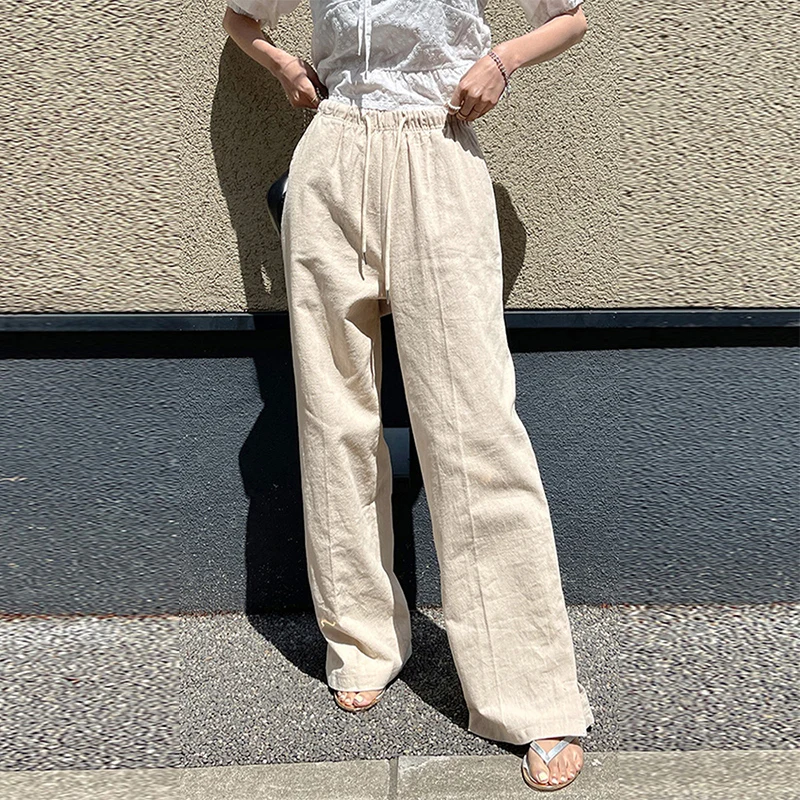
A proper fit in linen trousers is less about tightness and more about proportion, balance, and natural movement. Because linen behaves differently from stretch fabrics, fit evaluation must focus on how the garment sits, flows, and interacts with the body in motion.
Waist Fit Guidelines
A correctly fitted waist should feel secure without creating pressure or restriction. Linen trousers should sit in a way that supports natural breathing and movement rather than compressing the midsection.
General fit principles:
- Waist should sit comfortably without digging into skin
- A small amount of ease is necessary to accommodate sitting and movement
- The garment should remain stable while walking without constant adjustment
Fit variations by gender:
- For men: waist placement may sit at the natural waist or slightly lower depending on styling preference
- For women: high-waisted designs should rest above the navel, while mid-rise options should sit naturally along the hip line
Hip & Thigh Fit
Because linen lacks elasticity, the hip and thigh area plays a decisive role in overall comfort and wearability. This is often where sizing errors become most noticeable. Ideal fit conditions:
- Light ease around hips to allow natural sitting posture
- No pulling or stress lines across seams
- Smooth fabric flow even when seated
A properly balanced hip fit ensures the garment maintains its intended drape and prevents distortion of the silhouette, especially in wide-leg and relaxed-fit designs.
This aspect is particularly important for:
- women linen pants sizing chart interpretation
- plus size linen trousers fit guide applications
Length & Inseam Fit
Length defines how linen pants interact with footwear and overall outfit proportions. Even small differences in inseam can significantly change the perceived style.
- Full-length linen trousers that lightly rest on footwear
- Cropped linen pants designed to sit above the ankle
- Relaxed ankle-length styles with natural break over shoes
The hem should either lightly touch the top of the shoes or fall just above them, maintaining a clean vertical line without excessive stacking or dragging.
Overall Drape
Drape is one of the defining characteristics of linen and should always be evaluated when assessing fit. Unlike structured fabrics, linen is meant to flow naturally rather than cling or hold rigid form.
- Fabric falls loosely along the leg without sticking
- Airflow is maintained between fabric and skin
- Movement appears fluid and unrestrained
If the fabric clings to the thighs or restricts motion, the size is typically too small or the cut is not suited to the body type. Proper drape ensures linen trousers retain their intended relaxed elegance and comfort-driven design.
How to Measure Yourself for Linen Pants Size?
Accurate sizing always begins with precise body measurements, especially for linen trousers where fabric structure offers minimal stretch and relies heavily on correct proportions. Understanding how to measure correctly is the most reliable way to ensure the chosen size aligns with natural body shape and intended fit.
Waist Measurement
The waist measurement determines the foundation of linen pants fit, particularly for structured or non-elastic waistband designs.
- Use a soft measuring tape for flexibility and accuracy
- Locate the natural waistline (typically just above the belly button)
- Wrap the tape around the body without compressing the skin
- Maintain a snug but comfortable tension to avoid distortion
This measurement is critical because linen does not adapt to waist pressure in the same way stretch fabrics do. Even a small deviation can affect overall comfort and fit stability.
Hip Measurement
Hip measurement plays a major role in how linen trousers fall across the lower body, especially in relaxed, wide-leg, and women’s silhouettes.
Steps:
- Measure the widest part of the hips and glutes
- Stand upright with feet placed naturally together
- Ensure the tape remains level and parallel to the floor throughout
Important for:
- women linen pants sizing guide interpretation
- wide-leg linen pants fit accuracy
- ensuring smooth drape in oversized silhouettes
A correct hip measurement ensures the fabric flows naturally without pulling across seams or distorting the intended silhouette.
Inseam Measurement
Inseam determines the overall length and visual proportion of linen trousers, which significantly impacts styling and footwear pairing.
Steps:
- Measure from the crotch point down to the ankle bone
- Use a well-fitting pair of trousers as a reference if needed for consistency
- Keep posture straight to avoid measurement errors
Helps determine:
- full-length linen trousers proportions
- cropped summer linen pants styling
- ankle-grazing relaxed fit designs
A precise inseam ensures the pants maintain clean structure and balanced proportions when worn with different shoe types.
Linen Pants Size Chart Explained (Men & Women)
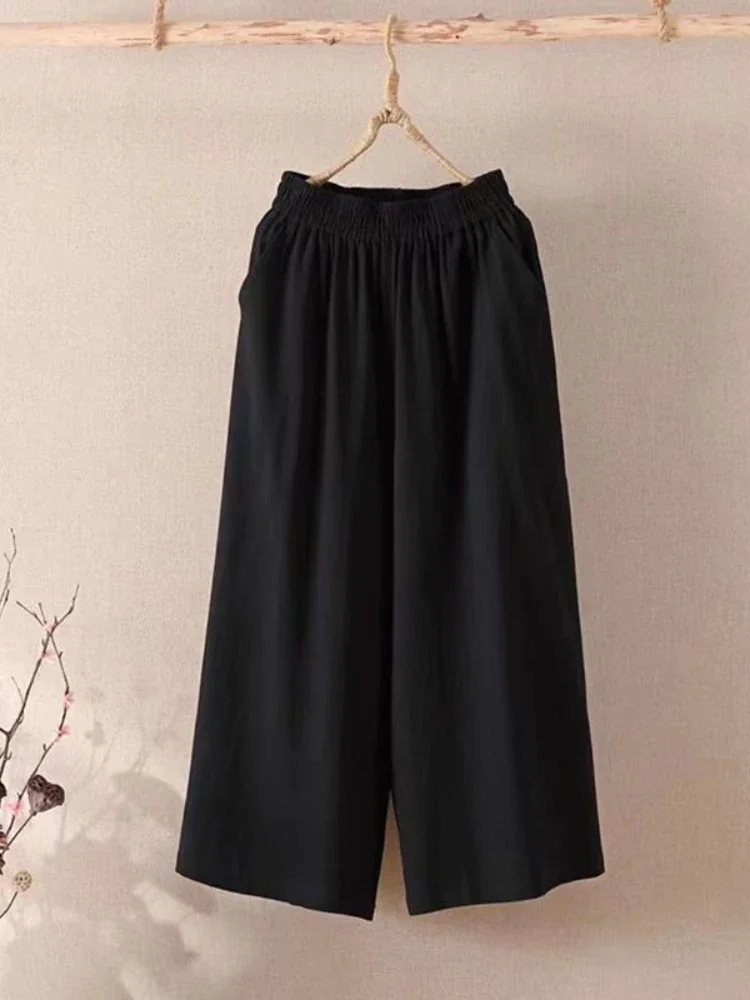
Understanding size charts is essential for online shopping, where linen pants sizing varies significantly across regions and brands. Unlike standard garments, linen trousers often follow relaxed sizing systems, making chart interpretation an important step in avoiding fit mistakes.
International Size Conversion
Linen pants sizing is not globally standardized, and conversions between US, UK, and EU systems can differ depending on brand methodology.
- US sizes often follow numerical waist-based systems
- EU and UK sizing may vary in scale and measurement logic
- Brand-specific size charts always take priority over general conversions
Relying solely on generic conversions can lead to incorrect fit selection, especially for structured waist designs.
S, M, L, XL Sizing Guide
For many linen trousers, especially casual or elastic-waist designs, simplified sizing (S–XL) is commonly used. However, each category still corresponds to specific body measurement ranges.
- S (Small): suited for slimmer waistlines and petite body frames
- M (Medium): fits average proportions with balanced waist and hip ratios
- L (Large): accommodates wider waistlines or preferred relaxed fits
- XL (Extra Large): designed for plus-size or intentionally oversized styling
Although convenient, S–M–L sizing should always be cross-checked with actual waist and inseam measurements for accuracy.
Petite vs Regular vs Plus Size
Beyond standard sizing, body proportion categories also influence how linen pants fit and drape.
- Petite: shorter inseam and smaller overall proportions, requiring adjusted length balance
- Regular: standard proportions designed for average height and body structure
- Plus size: extended waist and hip measurements with reinforced comfort allowance
Correct category selection ensures the natural drape of linen remains consistent with body proportions rather than appearing oversized or disproportionate.
Linen Pants Sizing Guide for Men
Men’s linen trousers sizing typically prioritizes waist accuracy and proportional inseam length, as these two factors directly affect comfort and silhouette balance. Because linen lacks stretch, even minor sizing errors can significantly alter fit performance.
Waist & Inseam Tips
In men’s sizing, waist measurement should always be treated as the primary reference point, followed closely by inseam length for proper proportion.
- Waist fit determines comfort and stability during movement
- Inseam defines how the trousers interact with footwear and overall height perception
A common issue occurs when waist size is correct but inseam length is overlooked, leading to either overly short or excessively pooling fabric.
Best Fit Styles for Men
Different linen trouser styles offer varying levels of structure and comfort, depending on lifestyle needs.
- Relaxed fit linen trousers for maximum comfort and airflow
- Straight-leg linen pants for balanced casual versatility
- Slim-fit summer linen pants for a more refined, modern silhouette
Each style requires slightly different sizing considerations, particularly in thigh and hip allowance.
Common Men’s Mistakes
Several recurring sizing mistakes often lead to poor fit outcomes when choosing linen trousers.
- Selecting waist sizes too tight, ignoring linen’s non-stretch nature
- Failing to account for potential slight shrinkage after washing
- Overlooking inseam length differences between brands or styles
Linen Pants Sizing Guide for Women
Women’s linen trousers require a more nuanced approach to sizing because fit is influenced not only by waist measurement but also by hip proportion, rise selection, and silhouette preference. Unlike structured fabrics, linen emphasizes natural drape, meaning small sizing errors can significantly alter both comfort and overall styling balance.
Waist & Hip Considerations
For women, accurate sizing depends heavily on the relationship between waist and hip measurements, often referred to as the waist-to-hip ratio. This ratio determines how linen trousers sit and flow across the lower body.
- A higher waist-to-hip difference may require sizing adjustments for comfort
- High-rise styles typically emphasize the waistline and elongate the legs
- Mid-rise options offer a more relaxed and natural hip placement
Because linen has minimal stretch, the hip area must be measured carefully to avoid tightness or pulling, especially in wide-leg or tailored silhouettes.
Best Fit Styles for Women
Different linen pant styles create different visual effects and sizing expectations. Selecting the correct style is just as important as choosing the correct size.
- Wide-leg linen pants: offer maximum airflow and a flowing silhouette ideal for warm climates
- High-waisted linen trousers: create a structured, elongated leg line and define the waist
- Loose-fit summer linen pants: prioritize comfort and breathability with relaxed proportions
Each style interacts differently with body shape, so sizing should always be aligned with both comfort preference and intended silhouette.
Common Women’s Mistakes
Many sizing issues occur not from incorrect measurements but from misinterpreting fit expectations and relying too heavily on generalized sizing labels.
- Ignoring hip measurement and focusing only on waist size
- Choosing incorrect rise (high-rise vs mid-rise), affecting overall proportion
- Over-relying on S/M/L labels without checking actual size charts
Linen Pants Fit Problems & Solutions
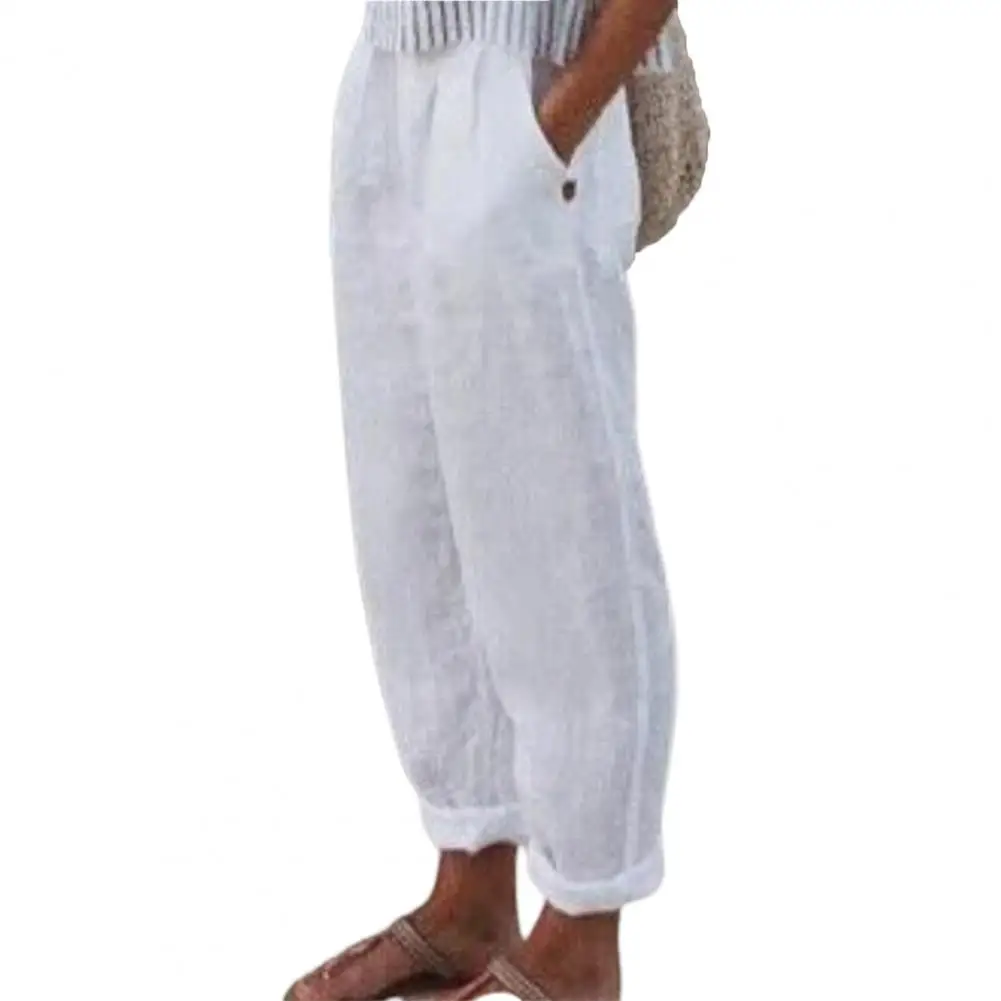
Even with accurate sizing, linen trousers may still present minor fit challenges due to fabric behavior, washing conditions, or style differences. Understanding common issues helps prevent dissatisfaction and improves long-term wearability.
Too Loose or Too Tight
Fit imbalance is one of the most common issues when purchasing linen pants online.
- If the waistband feels too loose, sizing down may work for elastic waist designs
- If the waist feels restrictive, sizing up is often necessary for structured waist styles
- Always consider natural linen drape before making adjustments
The goal is not a tight fit but a balanced silhouette that maintains comfort and airflow.
Length Issues
Length discrepancies can affect overall styling significantly, especially in linen where structure is soft and flow-based.
- Tailoring the hem is the most precise solution for achieving ideal length
- Rolling cuffs can create a relaxed, casual aesthetic without permanent alteration
- Cropped adjustments can modernize full-length designs
Proper length alignment ensures the trousers maintain clean proportions with footwear.
Shrinkage Concerns
Linen is a natural fiber, and slight shrinkage can occur depending on washing conditions.
- Minor shrinkage may happen after the first wash, especially in untreated linen
- Pre-washed or garment-washed linen reduces this risk significantly
- Proper care helps maintain original sizing and shape stability
Do Linen Pants Stretch or Shrink?
Linen behaves differently from synthetic or elastic fabrics, which is why understanding its natural properties is essential for accurate sizing decisions. Linen does not stretch like denim or elastane blends. Instead, it follows a more natural fiber behavior pattern:
- It gradually softens with wear, improving comfort over time
- It does not expand to accommodate body changes
- It may shrink slightly if exposed to hot water or high heat drying
To preserve fit consistency, proper care is essential:
- Cold wash is recommended to maintain fiber integrity
- Air drying helps prevent distortion and shrinkage
- Avoid high-temperature ironing or machine drying
Understanding these characteristics ensures more accurate expectations when selecting linen trousers sizes.
Tips for Buying Linen Pants Online
Online shopping requires a more strategic approach to sizing, especially for linen trousers where fabric behavior and brand sizing can vary significantly. Careful evaluation reduces the risk of ordering incorrect sizes and improves overall satisfaction. To minimize sizing mistakes:
- Always review detailed size charts rather than relying on generic S/M/L labels
- Read customer feedback to understand real-world fit performance
- Compare both waist and inseam measurements before purchasing
- Consider elastic waist designs for added flexibility and comfort
- Verify return or exchange policies before finalizing the order
Best Linen Pants Fit for Different Occasions
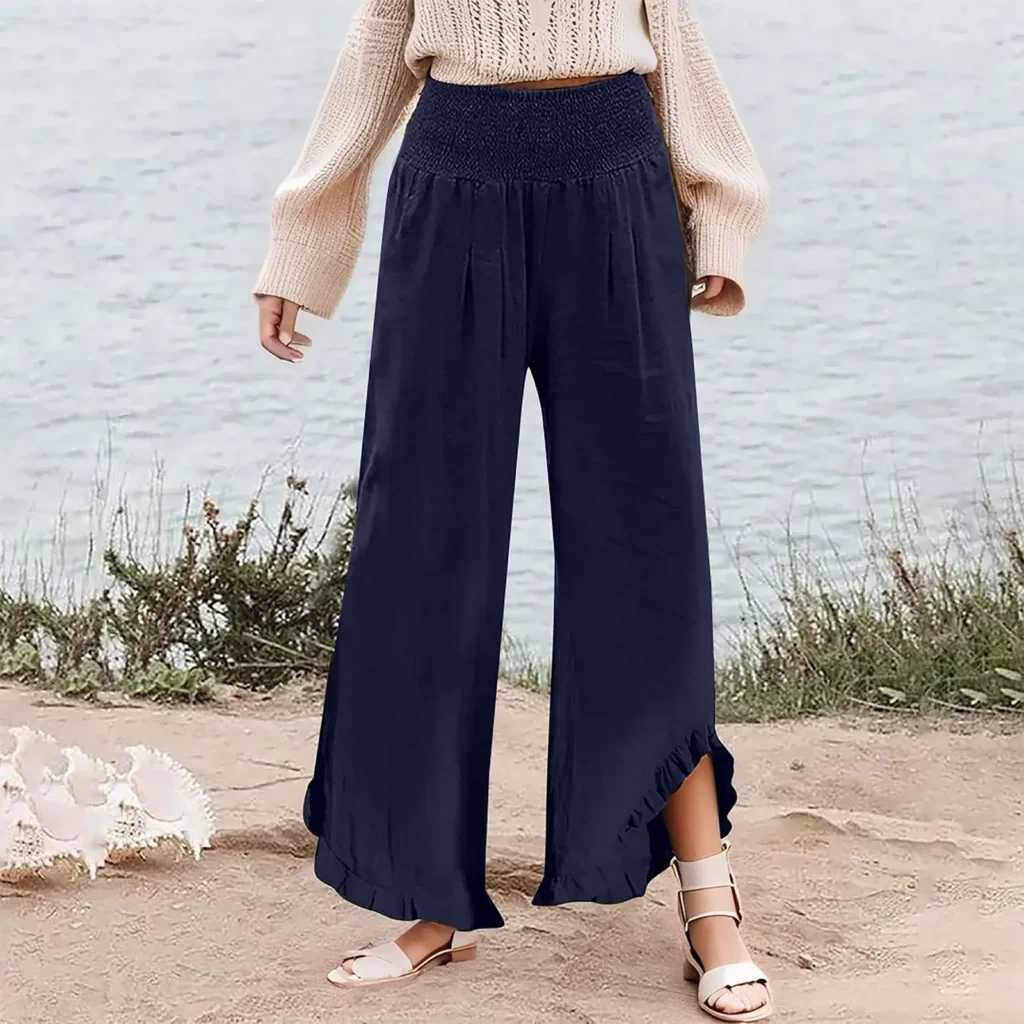
Choosing the right linen pants fit is not only about body measurements but also about context of use. Different occasions require different levels of structure, breathability, and silhouette control. Understanding how fit aligns with lifestyle situations helps maximize both comfort and visual appeal while maintaining the natural elegance of linen.
Casual Wear
For everyday casual settings, linen pants are most effective when they prioritize ease of movement and maximum breathability. In these situations, structure becomes secondary to comfort, allowing the fabric to fully express its natural relaxed drape.
- Relaxed fit linen pants are the most suitable option for casual styling due to their loose structure and airflow-friendly design
- Loose breathable silhouettes enhance comfort during extended wear, especially in warm or humid climates
- Soft, natural drape creates an effortless look that works well for daily activities, walking, or informal gatherings
This category focuses on comfort-first sizing, where slightly roomier fits are generally preferred over precise tailoring.
Office Wear
In professional or semi-formal environments, linen trousers need to strike a balance between structure and breathability. The goal is to maintain a clean silhouette while still benefiting from the comfort of linen fabric.
- Slim fit linen trousers provide a more refined and controlled appearance suitable for workplace settings
- Neutral color palettes such as beige, white, black, and muted earth tones enhance versatility and professionalism
- Tailored cuts help maintain a polished silhouette without compromising airflow or comfort
In this context, sizing accuracy becomes more important, as overly loose fits may appear unstructured in formal environments.
Travel & Vacation
Travel and vacation settings demand maximum comfort, flexibility, and adaptability in fit selection. Linen pants used in these environments should support long hours of wear, movement, and varying climates.
- Elastic waist linen pants offer adjustable comfort, making them ideal for extended travel periods
- Wide-leg breathable styles enhance airflow and reduce heat retention in warm destinations
- Lightweight silhouettes allow easy packing and versatile styling across different outfits
For travel use, slightly relaxed sizing is often preferred to accommodate movement, comfort during long sitting periods, and fluctuating daily activities.
Conclusion
Choosing the perfect fit is the key to enjoying the comfort and natural elegance of linen. Once you understand body measurements, fit types, and how linen behaves, selecting the right size becomes simple and reliable. The guide “How to Choose the Right Linen Pants Size” from StrideLinen has covered everything from waist, hip, and inseam measurement techniques to men’s and women’s sizing differences, size charts, and real-world fit solutions. With these insights, you can confidently choose linen trousers that feel comfortable, look stylish, and last longer—without worrying about sizing mistakes again.