At StrideLinen, we believe linen is more than just a fabric—it’s a lifestyle built on comfort, breathability, and effortless style. One question we often hear is: Does Linen Wrinkle? The short answer is yes—linen does wrinkle easily due to its natural flax fiber structure, but those wrinkles are also part of what makes linen breathable, durable, and uniquely textured compared to cotton or synthetic fabrics.
In this complete guide, StrideLinen will explain why linen wrinkles, whether it’s a flaw or a feature, and how to reduce and remove wrinkles naturally. You’ll also learn practical tips for preventing creases when washing, drying, storing, or traveling with linen, plus how linen compares to other fabrics—so you can confidently wear and care for it in any situation.
Does Linen Wrinkle? The Simple Answer
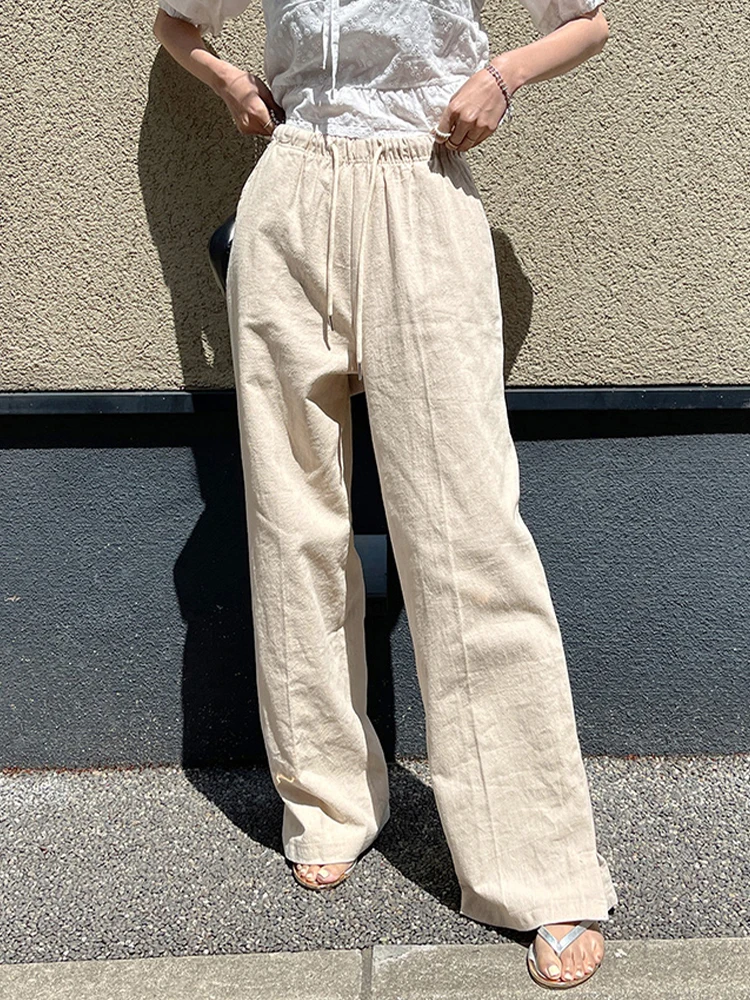
Yes—linen wrinkles easily. Unlike synthetic fabrics or heavily processed textiles, linen is made from natural flax fibers that have very little elasticity. This means when linen is bent, folded, or compressed, the fibers do not spring back into place easily, resulting in visible creases.
- Low elasticity compared to cotton and polyester
- Natural fiber stiffness
- Lightweight weave structure
- High absorbency (moisture increases creasing)
So if you are wondering is linen a wrinkle-prone fabric?—the answer is absolutely yes. But that doesn’t make it a bad fabric. In fact, wrinkles are part of what gives linen its signature relaxed and breathable aesthetic.
Why Does Linen Wrinkle So Easily?
To fully understand does linen wrinkle and why it wrinkles so easily, it’s important to look at linen not as a “problematic fabric,” but as a natural material with a very specific physical behavior. Wrinkling in linen is not random—it is the direct result of its fiber structure, low elasticity, moisture response, and weave construction working together.
Natural Fiber Structure of Flax
Linen is made from flax plant fibers, and this is the foundation of its entire behavior.
- Flax fibers are long, strong, and naturally rigid
- The structure is less flexible compared to cotton or synthetic fibers
- The fiber surface has minimal “memory recovery” after deformation
In simple terms, once linen is bent, folded, or compressed, it does not fully bounce back. Instead, it “remembers” that shape and holds it as a crease. This is why linen shirts, pants, and dresses often show visible lines after sitting, packing, or even light movement during the day.
Low Elasticity of Linen Fabric
Another core reason linen wrinkles easily is its extremely low elasticity. Unlike modern performance fabrics or blended textiles:
- Linen does not stretch and return smoothly
- There are no elastic or synthetic recovery fibers
- Structural tension is weak under pressure
When pressure is applied—such as sitting on linen pants or folding a linen shirt in a suitcase—the fibers shift and stay displaced instead of returning to a smooth surface.
This is also why wrinkle patterns are often “high-contact based,” meaning:
- Knees crease when sitting
- Elbows wrinkle when bending arms
- Waist and hip areas fold during movement
In textile terms, linen prioritizes airflow and strength over shape retention.
Moisture and Heat Effects
Linen is highly hygroscopic, meaning it absorbs moisture very efficiently. This is one of the reasons it is considered one of the best fabrics for hot and humid climates—but it also directly contributes to wrinkling. When linen absorbs moisture:
- The fibers expand and loosen
- Internal tension decreases across the fabric
- The weave becomes temporarily unstable
Now, when movement or pressure is added during this softened state, creases form much more easily and “set” into the fabric.
Heat makes this effect stronger. In warm or humid weather:
- Body heat increases fiber mobility
- Sweat accelerates moisture absorption
- Fabric structure becomes more relaxed and crease-prone
That’s why linen tends to look more wrinkled at the end of a hot day compared to cooler conditions.
Weave Type and Fabric Weight
Not all linen behaves the same way, and this is where many misunderstandings come from when asking why does linen wrinkle more than other fabrics. The wrinkle level depends heavily on how the fabric is constructed:
- Lightweight linen: Extremely breathable, soft drape, but wrinkles very quickly due to loose structure
- Mid-weight linen: Balanced breathability and structure, moderate wrinkle resistance
- Heavyweight linen: More stable, holds shape better, but slightly less airy
- Loose weave linen: Maximizes airflow but increases creasing dramatically
- Tight weave linen: Smoother surface, better shape retention, reduced visible wrinkles
This explains why two linen shirts can look completely different after a few hours of wear—even if both are 100% linen.
Is Linen Wrinkling a Bad Thing?
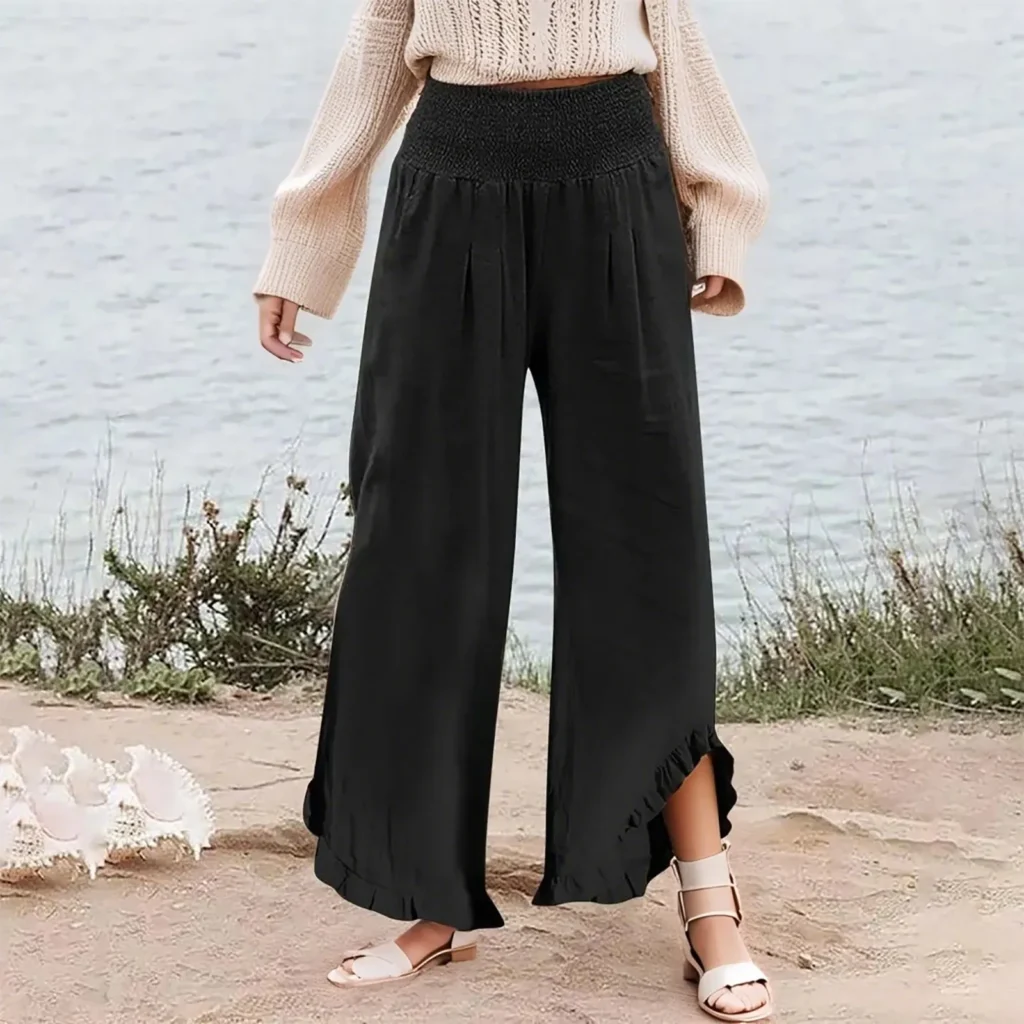
Once the mechanics of linen are understood, the next question becomes more subjective: is wrinkling actually a flaw, or simply part of its identity? In modern textile and fashion contexts, linen wrinkles are increasingly viewed through an aesthetic and functional lens rather than a “defect-based” perspective.
The Natural Aesthetic of Linen
In fashion, linen wrinkles are often considered part of its visual identity rather than something to eliminate.
- They create a relaxed, effortless appearance
- They add texture and depth to simple silhouettes
- They reinforce the “natural fabric” character of linen
This is why linen is heavily associated with:
- Resort wear collections
- Summer vacation outfits
- Minimalist and neutral-toned fashion
Instead of looking “unfinished,” lightly wrinkled linen is often interpreted as intentional softness and lived-in comfort.
Wrinkled Linen in Modern Fashion Trends
In contemporary fashion design, there has been a clear shift away from overly polished, rigid aesthetics toward more natural and organic expression. Within this trend:
- Imperfect textures are embraced
- Natural creasing is seen as authenticity
- Fabric behavior is allowed to show visibly
Linen fits perfectly into this philosophy because its wrinkle pattern is predictable yet organic. Designers often choose linen specifically because it avoids looking overly artificial or “too perfect.”
When Wrinkles May Be Unwanted?
Despite its strong aesthetic value, linen wrinkles are not always appropriate in every context. There are situations where a more controlled appearance is preferred.
- In formal business environments where sharp structure is expected
- In professional presentations or corporate settings
- In photography or visual media requiring clean fabric lines
- In occasions where tailored precision matters more than texture
In these cases, the goal is not to eliminate linen’s natural behavior completely, but to manage it through better fabric choices, blends, or care techniques such as steaming, proper drying, or structured tailoring.
How to Reduce Wrinkles in Linen Naturally?
You cannot fully eliminate wrinkles in linen—but you can significantly reduce them using proper care techniques.
Proper Washing Techniques
Washing plays a major role in wrinkle formation. Best practices:
- Use gentle cycle or hand wash
- Avoid harsh spinning cycles
- Use mild detergent
- Wash in cold or lukewarm water
Avoid overloading the machine, as friction increases creasing.
Best Drying Methods
Drying is one of the most important steps in linen care. To reduce wrinkles:
- Air dry instead of machine drying
- Shake garments before hanging
- Smooth fabric with hands while damp
- Hang immediately after washing
Pro tip: Dry linen while slightly damp to naturally relax fibers.
Smart Storage Tips
Improper storage can increase wrinkling even before wearing. Best storage methods:
- Hang linen shirts and pants instead of folding
- Use wide hangers
- Avoid tight drawers for long-term storage
- Do not compress linen under heavy clothing
Natural Fabric Softening Methods
Over time, linen becomes softer and less stiff. You can speed up this process by:
- Using vinegar rinse during wash cycles
- Avoiding fabric softeners (they damage fibers)
- Washing linen regularly (gentle cycles only)
Soft linen tends to wrinkle less dramatically.
How to Remove Wrinkles from Linen Quickly?
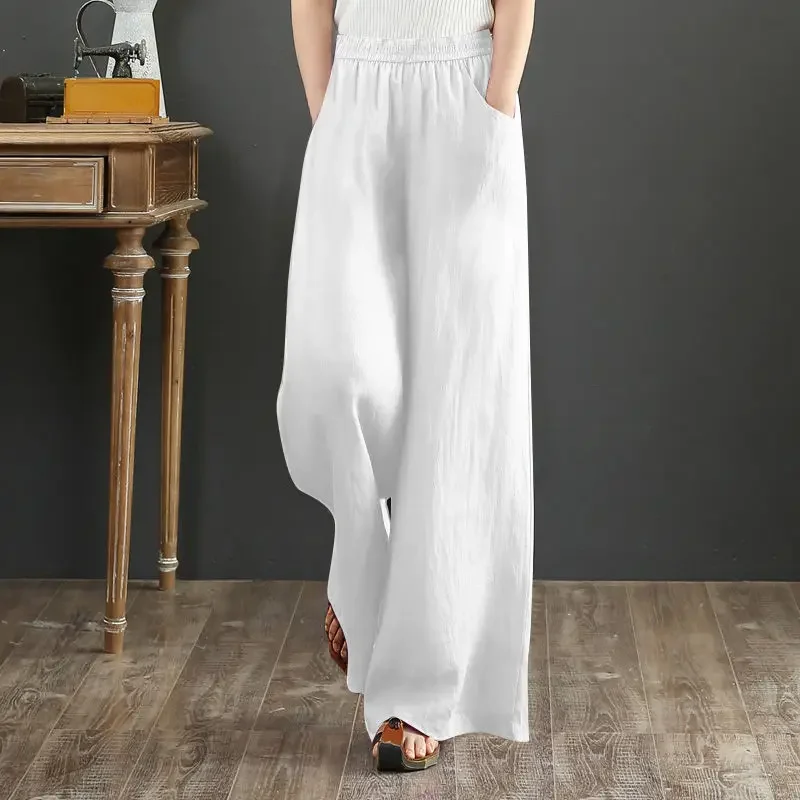
Even when linen is cared for properly, wrinkles are still an unavoidable part of its natural behavior. Instead of trying to eliminate them completely, the more practical approach is to manage and reduce them efficiently using methods that respect the fabric’s structure. The following techniques focus on restoring a smoother appearance without damaging linen fibers.
Steaming Linen Clothes
Steaming is widely considered the safest and most effective method for reducing wrinkles in linen because it works with heat and moisture rather than direct pressure.
- Steam gently relaxes flax fibers without stressing them
- There is no direct contact, reducing the risk of fabric damage
- Works especially well for delicate or lightweight linen garments
For best results, linen should be hung vertically while steaming. This allows gravity to assist in naturally pulling the fabric downward, helping creases release more evenly. Steaming is particularly useful for shirts, dresses, and loose-fitting trousers where maintaining fabric integrity is more important than creating sharp creases.
Ironing Linen Properly
When a more structured and polished finish is required, ironing remains the most effective method for removing deeper wrinkles. However, linen requires a controlled approach due to its sensitivity to heat and dryness.
- Ironing while the fabric is slightly damp improves smoothing efficiency
- Medium to high heat settings help relax rigid flax fibers
- Turning garments inside-out protects the surface texture
- Using a pressing motion instead of dragging prevents fiber distortion
This method is commonly used for linen pants, tailored shirts, and formal linen pieces where a cleaner silhouette is required. The key principle is controlled heat combined with minimal friction to avoid over-flattening the fabric’s natural texture.
Spray & Hang Method
For light to moderate wrinkles, a low-effort restoration method can be used that relies on moisture and gravity rather than heat.
- Lightly misting the fabric reintroduces controlled moisture
- Hanging allows gravity to naturally pull fibers into alignment
- Gentle smoothing by hand helps accelerate the process
This technique is especially effective for everyday linen wear where wrinkles are not deeply set. It works best when applied shortly before wearing the garment rather than after long-term storage.
Shower Steam Trick
In situations where no steamer or iron is available, ambient steam can serve as a practical alternative.
- Hanging linen in a bathroom during a hot shower exposes it to steam
- Heat and humidity relax fiber tension gradually
- Minor wrinkles soften and become less visible
While not as precise as dedicated steaming tools, this method is useful for quick fixes before casual outings or travel situations where time and equipment are limited.
How to Prevent Linen Wrinkles When Traveling?
Travel conditions often amplify linen’s natural tendency to crease due to compression, movement, and limited storage space. Preventing wrinkles during travel is less about eliminating them completely and more about minimizing stress on the fabric during transport.
Packing Linen Without Creases
Effective packing techniques can significantly reduce wrinkle formation even before the garment is worn.
- Rolling garments instead of folding reduces sharp crease lines
- Packing cubes help maintain separation and reduce pressure points
- Placing tissue paper between folds minimizes friction and imprinting
- Avoiding overpacking prevents excessive compression inside luggage
These methods work by reducing structural stress on the fabric, allowing linen to retain a more relaxed shape upon arrival.
Choosing Linen Blends
Fabric composition plays a major role in travel performance. While pure linen offers the highest breathability, blended fabrics provide improved wrinkle control.
- Linen-cotton blends offer a balance between softness and structure
- Linen-rayon blends improve drape and reduce visible creasing
Blends maintain much of linen’s natural comfort while introducing additional stability, making them more suitable for frequent travel or extended wear situations where appearance needs to remain consistent.
Outfit Planning Tips
Beyond fabric choice and packing methods, styling strategy also influences how noticeable wrinkles appear during travel.
- Relaxed-fit garments tend to conceal minor creases more effectively
- Layering helps visually diffuse fabric imperfections
- Slight wrinkling can be incorporated into casual, everyday styling
In practical use, linen performs best when designed and worn with its natural texture in mind rather than against it.
Linen vs Other Fabrics: Wrinkle Comparison
Understanding how linen behaves compared to other fabrics provides clearer expectations regarding wrinkle resistance and overall performance. Each fabric category prioritizes different properties, which directly influences how it reacts under pressure and movement.
Linen vs Cotton
Both linen and cotton are natural fibers, but their structural differences lead to distinct wrinkle behaviors.
- Linen wrinkles more easily due to lower elasticity and stiffer fibers
- Linen offers superior breathability, especially in hot climates
- Cotton provides a softer hand-feel and slightly better shape retention
While cotton may appear smoother in daily wear, linen outperforms it in airflow and heat regulation, making it more suitable for warm-weather environments.
Linen vs Polyester
The comparison between linen and polyester highlights the contrast between natural and synthetic textile engineering.
- Polyester is highly wrinkle-resistant due to its synthetic fiber memory
- Linen offers significantly better ventilation and moisture absorption
- Polyester lacks the breathability and comfort of natural fabrics
Although polyester maintains a smoother appearance, it does not replicate the comfort and temperature regulation that linen provides.
Linen vs Rayon
Rayon sits between natural and synthetic categories, offering a different balance of properties.
- Rayon drapes more smoothly and resists visible wrinkles better
- Linen is structurally stronger and more durable over time
- Rayon may wear out faster despite its aesthetic smoothness
This makes rayon suitable for visual softness, while linen remains the stronger long-term investment for durability and natural performance.
Best Fabrics If You Want Less Wrinkle Than Linen
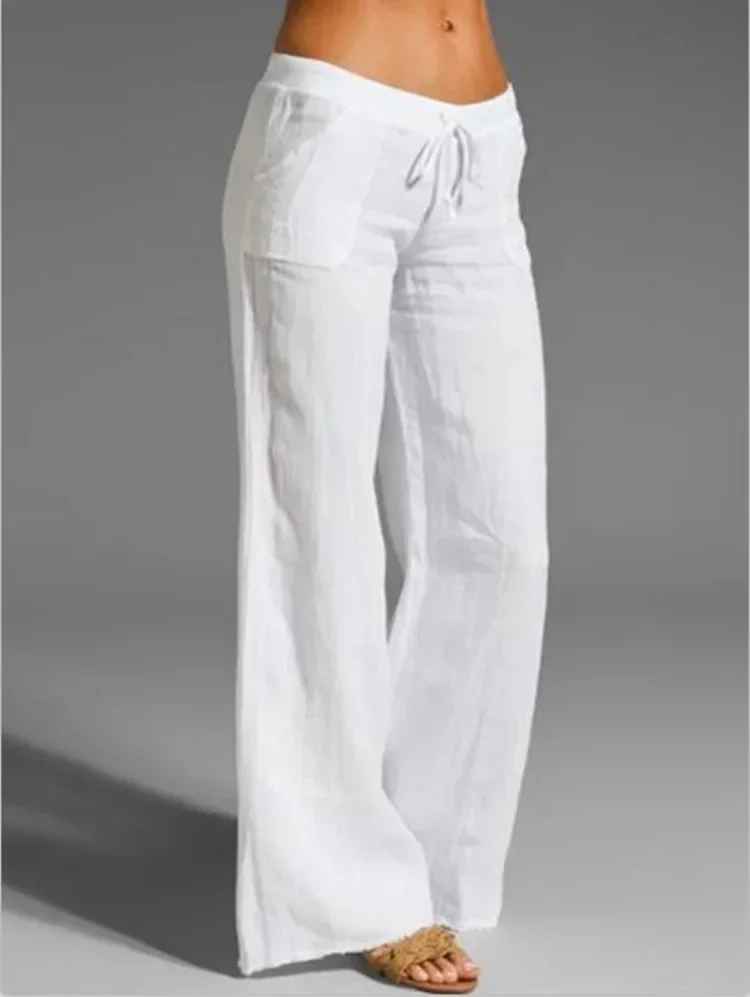
If you want a similar look with fewer wrinkles:
- Linen-cotton blends
- Bamboo fabric
- High-quality rayon blends
- Wrinkle-resistant synthetics
However, none fully match linen’s breathability.
FAQs About Does Linen Wrinkle?
These are the most common practical questions about linen behavior, answered in a clear and experience-based way.
Does linen get less wrinkly over time?
Yes, but only to a certain extent. With repeated washing, linen fibers become softer and more relaxed, which makes wrinkles appear less sharp. However, linen will never become fully wrinkle-resistant because its natural flax structure remains unchanged.
Can you wear linen without ironing?
Yes. Linen is often worn without ironing, especially in casual, summer, or resort-style outfits. Natural wrinkles are widely accepted and are considered part of the fabric’s relaxed aesthetic rather than a defect.
Is steamed linen better than ironed linen?
Steaming is generally safer and helps maintain the natural texture of linen without flattening it. Ironing creates a sharper, more structured finish, which is better for formal or polished looks.
Why does linen look better wrinkled?
Because wrinkles add natural texture and depth to the fabric. Instead of looking messy, the creases create a relaxed, breathable, and effortless appearance that fits modern minimalist and summer fashion styles.
Conclusion
At StrideLinen, we understand that the question “Does Linen Wrinkle?” is more than just a technical concern—it’s about how people want to feel in their clothing. Yes, linen wrinkles easily. But those wrinkles are not imperfections—they are part of what makes linen unique, breathable, and timeless. With the right care—proper washing, natural drying, smart storage, and simple wrinkle-reduction techniques—you can easily control the level of wrinkles while still enjoying everything linen has to offer. Ultimately, linen is not about perfection. It’s about comfort, freedom, and effortless style. And that’s exactly what StrideLinen stands for.