Choosing between 100% linen vs linen blends for pants can feel surprisingly complicated—especially when both options promise comfort, breathability, and style. If you’ve ever wondered whether pure linen vs blended linen is the better choice for your wardrobe, you’re not alone. At StrideLinen, we’ve seen how the right fabric can completely transform not just how you look, but how you feel—especially in hot, humid climates where your pants either work with you or against you. The debate around linen blend vs 100 linen pants often comes down to trade-offs: breathability vs convenience, durability vs softness, premium quality vs affordability.
This comprehensive guide breaks down everything you need to know about linen vs linen blend fabric, from comfort and performance to sustainability and long-term value. Whether you’re shopping for summer pants, planning a trip, or simply upgrading your everyday wardrobe, this article will help you confidently decide which fabric is better: 100% linen or linen blends.
What Is 100% Linen Fabric?
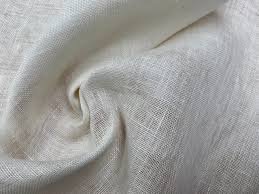
Understanding the foundation of pure linen helps clarify why it’s often positioned as a premium choice in the 100% linen vs linen blends for pants comparison.
How Pure Linen Is Made?
100% linen fabric is derived from the fibers of the flax plant, but what truly defines its value is the complexity behind its production. Unlike mass-produced synthetic textiles, linen undergoes a time-intensive process that includes harvesting, retting (to separate fibers), spinning, and weaving. Each step requires precision and significantly more effort than cotton or polyester manufacturing.
This labor-intensive process is a key reason behind the higher cost, often prompting the question: “Why is 100% linen more expensive?” The answer lies not just in materials, but in craftsmanship. The end result is a natural, highly breathable textile that has been trusted for centuries—especially in regions with hot, humid climates where airflow and moisture control are essential.
Key Characteristics of 100% Linen
From an SEO and consumer perspective, pure linen fabric characteristics consistently align with performance-driven benefits:
- Exceptional breathability due to its loose fiber structure
- Strong moisture-wicking ability, keeping skin dry
- Initially slightly coarse texture that softens with wear and washing
- Naturally textured, relaxed appearance
- High tendency to wrinkle, which is part of its aesthetic identity
These attributes position linen as one of the best fabrics for hot weather pants, particularly for users prioritizing comfort over convenience.
Pros and Cons of 100% Linen Pants
Pros
- Maximum breathability, ideal for extreme heat and humidity
- Superior fiber strength, contributing to long-term durability
- Environmentally friendly, biodegradable, and low-impact
- Distinct premium look associated with natural fabrics
Cons
- Wrinkles easily, requiring acceptance or regular maintenance
- Needs careful washing and handling to preserve quality
- Higher upfront investment compared to blended fabrics
From a practical standpoint, maintenance is often the deciding factor. Queries like “Is 100% linen hard to maintain?” reflect a real concern—especially for users seeking low-effort wardrobe options.
What Are Linen Blend Fabrics?
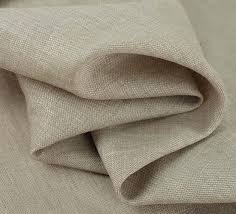
Linen blends exist as a functional evolution of pure linen, designed to address its limitations while maintaining part of its appeal.
Common Types of Linen Blends
A linen blend fabric combines linen with other fibers to balance performance, cost, and usability. The most common variations include:
- Linen + cotton (enhanced softness and breathability balance)
- Linen + polyester (improved durability and wrinkle resistance)
- Linen + rayon/viscose (smoother texture and better drape)
- Linen + elastane (added stretch for comfort and mobility)
Each blend shifts the fabric’s behavior, making the choice highly dependent on intended use rather than a one-size-fits-all solution.
Why Linen Is Blended with Other Fabrics?
Blending linen is a strategic decision driven by both manufacturers and consumer demand. Key objectives include:
- Improving softness for immediate comfort
- Reducing wrinkle formation for easier wear
- Lowering production costs for accessibility
- Introducing flexibility and stretch for modern fits
This explains why many buyers compare linen blend pants vs pure linen—not just for quality, but for practicality in daily wear.
Pros and Cons of Linen Blend Pants
Pros
- Noticeably softer and more wearable from the first use
- Better wrinkle resistance, especially with synthetic fibers
- Easier maintenance, often machine-friendly
- More affordable, making them accessible to a wider audience
Cons
- Reduced breathability compared to 100% linen
- Lower sustainability when synthetic fibers are involved
- Durability varies significantly depending on blend ratio
From an SEO intent perspective, questions like “Are linen blends better than linen?” highlight a key insight: users are not just comparing fabrics—they are weighing comfort, convenience, and cost against performance and longevity.
100% Linen vs Linen Blends for Pants (Key Differences)
Understanding the difference between linen and linen blend is crucial when making a purchase decision.
| Feature | 100% Linen | Linen Blends |
|---|---|---|
| Breathability | Excellent | Moderate to high |
| Comfort | Airy but slightly textured | Softer and smoother |
| Durability | Strong natural fibers | Varies depending on blend |
| Wrinkle Resistance | Low | Higher |
| Maintenance | Requires care | Easy care |
| Price | Expensive | Affordable |
| Sustainability | High | Medium to low |
This table highlights why linen blend vs pure linen is not about “better” or “worse,” but about priorities.
Which Is More Breathable for Hot Weather?
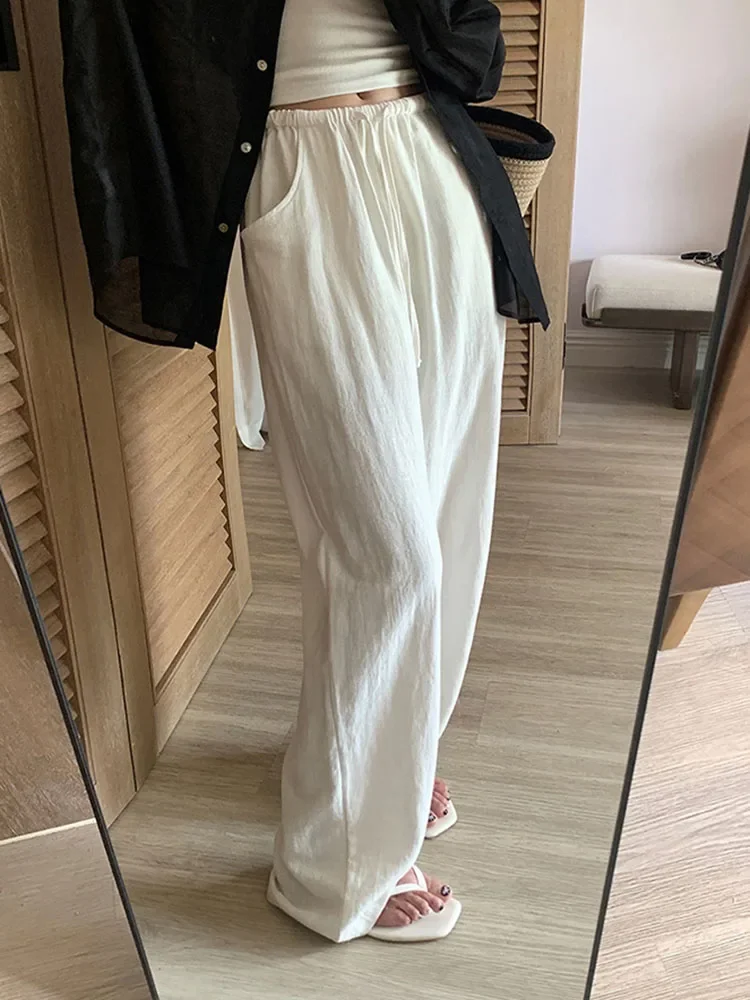
If your main concern is staying cool, the answer is clear: 100% linen is more breathable than blends. Linen’s loose weave allows air to circulate freely, making it ideal for:
- Tropical climates
- Summer travel
- Outdoor activities
Linen blends, especially those with polyester, tend to trap more heat. However, blends with cotton or rayon still offer decent airflow.
Durability and Longevity Comparison
One of the most overlooked aspects in the linen vs linen blend pants debate is durability.
Pure Linen Durability
- Linen fibers are naturally strong
- Becomes softer and more comfortable over time
- Can last years with proper care
This supports the keyword: “long lasting linen vs blended fabric”.
Linen Blend Durability
- Depends on fiber composition
- Polyester blends increase durability
- Rayon blends may wear out faster
So, “Does linen blend last longer?” The answer: sometimes—but not always.
Wrinkles, Care, and Maintenance
Maintenance is often the deciding factor in the 100% linen vs linen blends for pants debate, especially for users balancing aesthetics with everyday convenience.
Does Linen Blend Wrinkle Less?
Yes—and this is one of the most practical advantages of linen blends. Wrinkling is directly tied to fiber structure, and when linen is combined with other materials, its natural tendency to crease is significantly reduced.
- Polyester blends: offer the highest wrinkle resistance due to synthetic fiber stability
- Cotton blends: provide moderate wrinkling, balancing structure and softness
- Pure linen: wrinkles easily due to its rigid natural fibers
This explains the consistent search intent behind queries like “does linen blend wrinkle less”. From a usability standpoint, wrinkle resistance isn’t just about appearance—it directly impacts how often garments need maintenance throughout the day.
Washing and Ironing Differences
100% Linen
- Best washed in cold or lukewarm water
- Sensitive to high heat, which can weaken fibers over time
- Typically requires ironing or steaming to maintain a polished look
Linen Blends
- More tolerant to machine washing
- Less prone to deep creasing, reducing the need for ironing
- Generally more forgiving in day-to-day care routines
For users prioritizing low-maintenance clothing, linen blend easy care fabric becomes a logical choice. It reduces friction in daily use, particularly for workwear or frequent travel.
Style, Fit, and Appearance
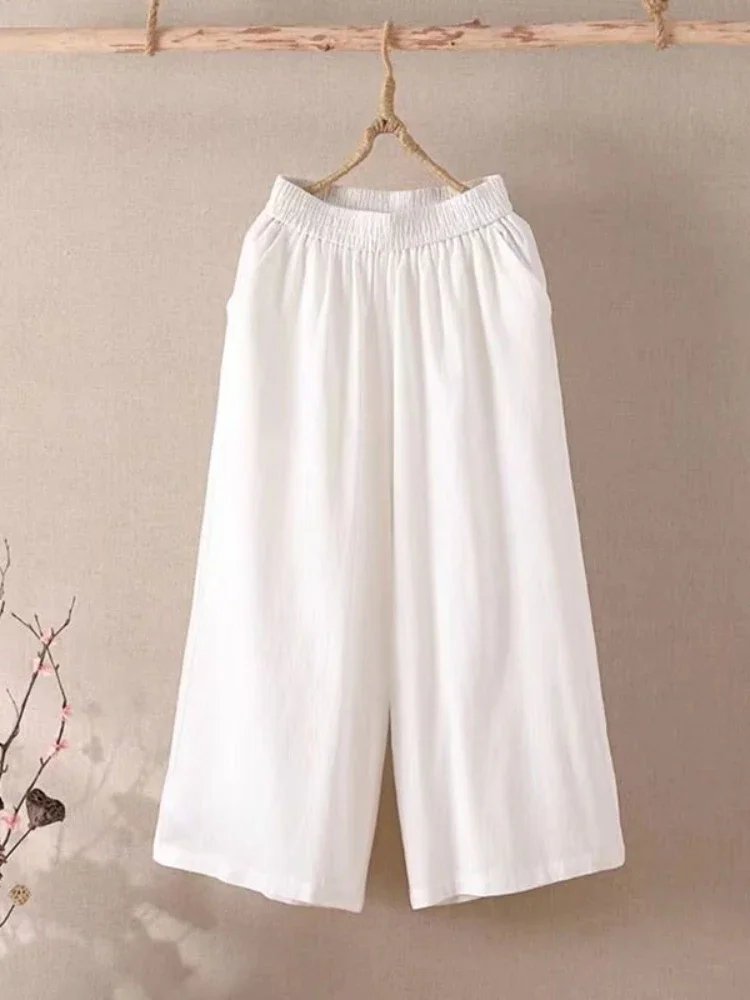
Beyond performance, fabric choice significantly influences how pants look, drape, and integrate into different outfits.
100% Linen Style
- Naturally textured with a slightly wrinkled, organic aesthetic
- Relaxed silhouette that emphasizes airflow and comfort
- Commonly associated with resort wear, beach outfits, and summer styling
Linen Blend Style
- Smoother surface with a more refined finish
- Improved drape, allowing for cleaner lines and structure
- Suitable for both casual and semi-formal settings, including office wear
From an SEO perspective, this aligns with high-intent queries such as linen vs linen blend look, drape of linen blend fabric, and casual vs formal linen pants. The distinction is subtle visually, but functionally significant depending on the context of use.
Sustainability and Environmental Impact
Sustainability has become a core consideration in fabric selection, particularly for environmentally conscious consumers.
Is Linen More Sustainable Than Blends?
Yes—100% linen is widely regarded as one of the most sustainable textiles available.
- Derived from flax, which requires relatively low water and pesticides
- Fully biodegradable under the right conditions
- Minimal chemical processing compared to synthetic fabrics
These factors make linen a strong answer to queries like eco friendly linen vs synthetic blends.
Linen Blends and Sustainability
The environmental impact of linen blends varies significantly depending on composition:
- Cotton blends: moderately sustainable, though more resource-intensive than flax
- Polyester blends: less eco-friendly due to petroleum-based production and limited biodegradability
This directly relates to search terms like environmental impact linen vs polyester blend, where the trade-off between performance and sustainability becomes clear.
Price and Value Comparison
Cost is often the most immediate differentiator, but long-term value depends on more than just the price tag.
Why Is 100% Linen More Expensive?
- Labor-intensive production process
- Natural fiber sourcing with limited scalability
- Higher perceived and actual quality
These factors position linen as a premium fabric, not just in pricing but in durability and longevity.
Linen Blend as a Budget Option
For users exploring terms like linen blend cheaper alternative or budget linen pants vs premium linen, blends offer a more accessible entry point.
- Lower production costs translate to more affordable retail pricing
- Suitable for frequent wear without the same maintenance demands
- Better alignment with everyday use cases rather than occasional wear
When to Choose 100% Linen vs Linen Blends?
Choosing between these two fabrics becomes clearer when aligned with real-life usage rather than abstract comparisons.
Choose 100% Linen If You Want
- Maximum breathability: ideal for high temperatures and humid environments where airflow is critical
- Natural, eco-friendly fabric: suitable for those prioritizing sustainability and low environmental impact
- Premium summer aesthetic: a textured, relaxed look associated with high-quality resort wear
- Best pants for extreme heat: particularly effective in tropical or desert climates
From a search intent perspective, this directly addresses queries like “should I choose 100% linen or linen blend pants”, where users are looking for clarity based on specific needs rather than general comparisons.
Choose Linen Blends If You Want
- Everyday comfort: softer feel and more adaptable to different conditions
- Wrinkle resistance: reduced creasing makes them more practical for long wear
- Easy maintenance: less demanding washing and minimal ironing required
- Lower cost: a more accessible option for frequent, everyday use
Linen blends are often the pragmatic choice, especially when balancing appearance, effort, and budget in daily routines.
Best Use Cases for Each Fabric
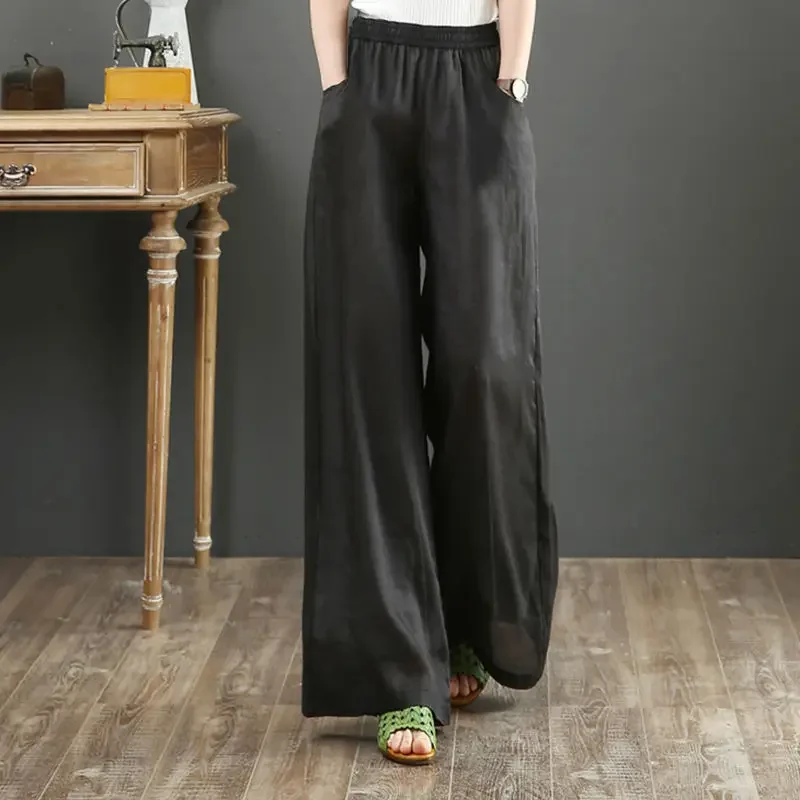
Understanding where each fabric performs best helps bridge the gap between theory and practical application.
Linen for Travel and Hot Weather
- Ideal for vacations where comfort in heat is a priority
- Performs exceptionally well in tropical and coastal climates
- Frequently considered the best summer pants linen vs linen blend for breathability
Search behavior such as linen or linen blend for vacation reflects this intent—users prioritize cooling performance over convenience when traveling.
Linen Blends for Daily Wear
- Suitable for office environments requiring a cleaner, more structured appearance
- Practical for commuting due to reduced wrinkling and easier care
- Versatile enough for casual, everyday outfits
This aligns with queries like everyday pants linen blend vs linen, where durability and ease of use outweigh maximum breathability.
FAQ about 100% Linen Vs Linen Blends For Pants
These answers target high-intent queries commonly found in search results and featured snippets.
Is 100% linen better than linen blend?
It depends on the context. 100% linen outperforms in breathability and sustainability, while blends offer better convenience and ease of maintenance.
Which is cooler: linen or linen blend?
100% linen is significantly cooler due to its natural fiber structure and superior airflow.
Do linen blends wrinkle less?
Yes, especially blends that include polyester or other synthetic fibers designed to improve wrinkle resistance.
Are linen blends good for summer?
They are suitable for summer conditions, though they do not match the cooling efficiency of pure linen.
What is the best linen blend percentage?
A composition of around 50–70% linen typically provides a balanced combination of breathability, softness, and durability.
Conclusion
When it comes to 100% linen vs linen blends for pants, there’s no one-size-fits-all answer—it ultimately depends on your lifestyle, climate, and personal preferences. If you prioritize maximum breathability, sustainability, and a premium natural feel, 100% linen is the clear winner. On the other hand, if you value everyday comfort, affordability, and easy care, linen blends offer a more practical solution. At StrideLinen, we believe the best wardrobe isn’t about choosing one over the other, but understanding when each fabric works best—so you can dress smarter whether you’re heading to a tropical getaway or navigating daily life.