At StrideLinen, we believe understanding fabric is the first step to choosing better clothing—especially when it comes to natural materials. So, what is linen? Linen is a natural fiber textile made from the flax plant, known for its exceptional breathability, durability, and eco-friendly properties. For thousands of years, it has remained one of the most valued fabrics, especially for hot climates and summer wear, thanks to its lightweight feel and natural comfort.
In this complete guide, you’ll discover what linen is made of, how it’s produced from flax fibers, and why it stands out as a premium sustainable fabric. We’ll also break down its key properties, pros and cons, comparisons like linen vs cotton, its environmental impact, and how to care for linen properly—giving you everything you need to fully understand this timeless material.
What Is Linen Fabric?
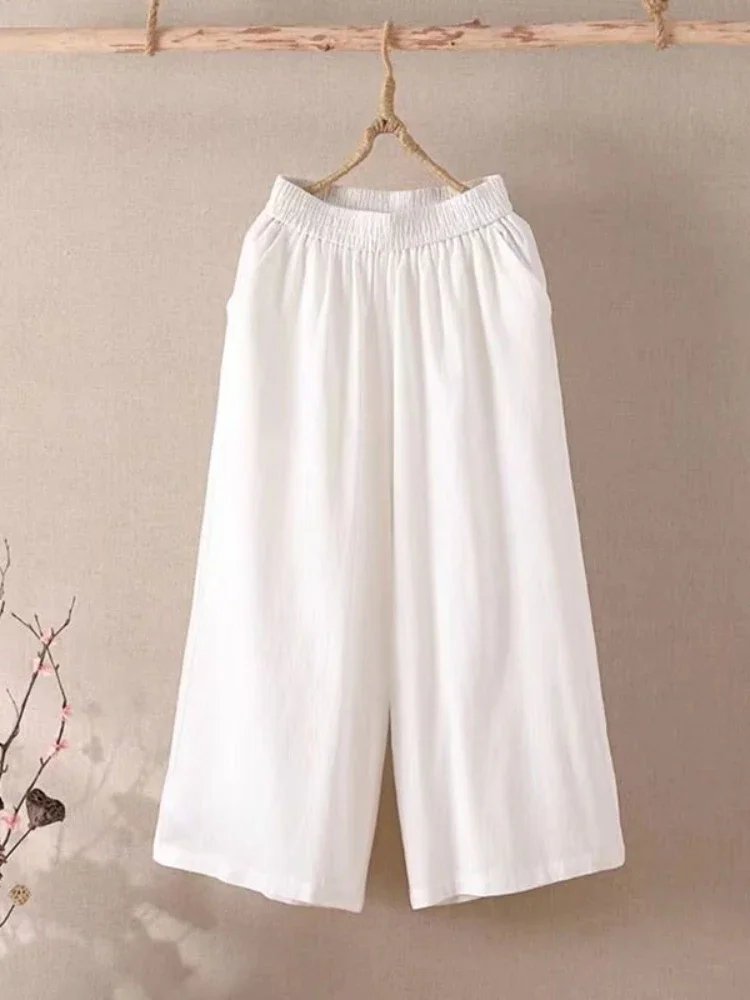
A clear understanding of linen helps you evaluate its real value in both comfort and long-term use.
Linen Definition & Basic Overview
Linen is a natural plant-based fabric made from flax fibers, known for its durability, breathability, and eco-friendly nature. Unlike synthetic materials like polyester, linen is a biodegradable fabric that has been used for thousands of years and remains highly relevant in modern sustainable fashion.
From a performance perspective, linen stands out due to its strong fiber structure and natural texture. It is a lightweight woven fabric that allows excellent airflow, making it highly breathable and moisture-wicking—ideal for hot climates. At the same time, it is a durable natural fabric that softens over time without losing strength.
- Made from flax plant fibers
- Lightweight, breathable, and moisture-wicking
- Naturally textured woven fabric
- Strong, durable, and long-lasting
When asking “what is linen made of?”, the answer lies in processed flax fibers spun into yarn and woven into fabric, preserving both strength and natural performance.
Where Does Linen Come From?
Linen originates from the flax plant, a resilient crop that grows best in temperate climates with stable moisture conditions. While flax is cultivated globally, the highest-quality linen typically comes from European regions known for their expertise. Top linen-producing regions include:
- Belgium
- France
- The Netherlands
These areas produce premium natural linen fabric thanks to ideal growing conditions and refined processing techniques, which directly impact the fabric’s texture, strength, and overall quality.
How Is Linen Made? (From Flax to Fabric)
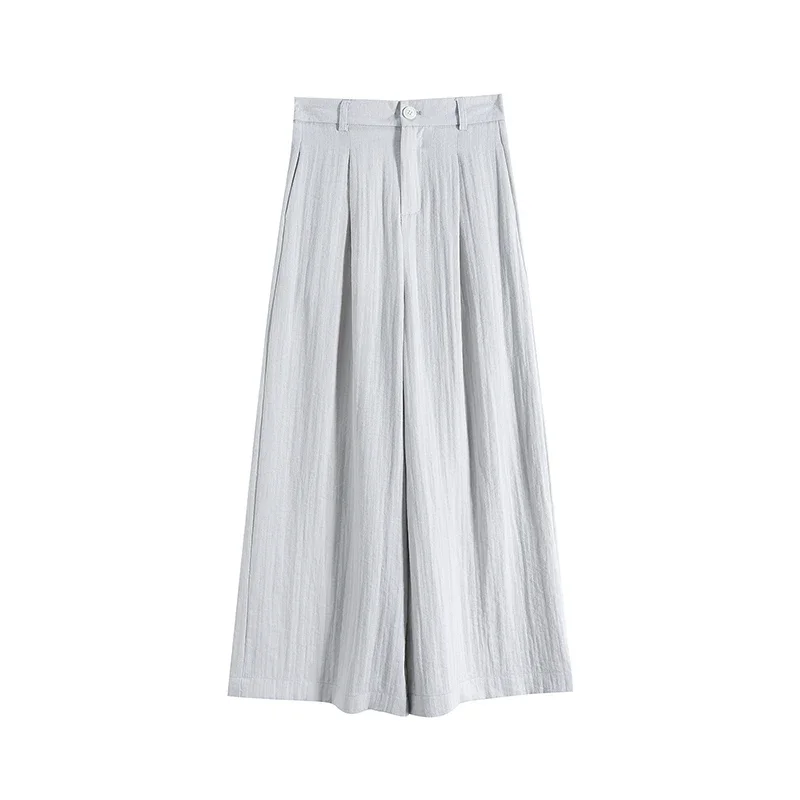
The value of linen lies not just in the material itself, but in the complex process that transforms flax into fabric.
Step-by-Step Linen Production Process
Understanding how linen is made from flax explains why it’s often positioned as a premium, labor-intensive textile rather than a mass-produced fabric.
- Harvesting Flax: Flax plants are carefully pulled from the ground instead of cut to preserve the full length of the fibers, which directly impacts the strength and quality of the final linen fabric.
- Retting Process: This is a critical stage where the plant structure is broken down to separate usable fibers. Known as retting flax fibers, it can be done naturally (dew retting) or through controlled water processes, influencing both texture and environmental impact.
- Scutching & Hackling
- Scutching removes the woody outer layers
- Hackling combs and aligns the fibers into smooth, continuous strands
- These steps refine the fibers and determine how clean and consistent the linen yarn will be.
- Spinning Linen Yarn: The prepared fibers are spun into yarn, where thickness, texture, and overall fabric character begin to take shape.
- Weaving Linen Fabric: Finally, the yarn is woven into linen cloth, resulting in a lightweight, breathable summer material with a naturally textured finish.
Traditional vs Modern Linen Production
The production method has a direct impact on both quality and pricing.
- Traditional linen production involves slower, often manual processes that produce finer, more durable fabric with a premium feel
- Modern linen processing uses industrial techniques to increase efficiency, making linen more accessible but sometimes less refined
This balance between craftsmanship and scalability is a key reason why linen fabric can be more expensive than cotton or synthetic alternatives.
Key Properties of Linen Fabric
Linen’s performance is rooted in its natural fiber structure, making it one of the most functional textiles available.
Breathability & Moisture-Wicking
Linen is widely considered one of the best fabrics for hot weather. Its loose weave and natural fibers allow air to circulate freely, creating a highly breathable and moisture-wicking fabric that keeps the body cool and dry.
Durability & Strength
Linen is among the strongest natural fibers:
- Stronger than cotton in both wet and dry conditions
- Maintains structure over time
- Can last for decades with proper care
It’s a true long-lasting fabric that improves rather than degrades with use.
Texture & Feel
Linen starts with a slightly crisp hand feel, but:
- Softens naturally after repeated washing
- Develops a relaxed, worn-in texture
- Gains a more premium and comfortable finish over time
Thermoregulation & Comfort
As a thermoregulating fabric, linen adapts well to different conditions:
- Keeps the body cool in heat
- Remains comfortable in mild temperatures
Hypoallergenic & Antibacterial Features
Linen is well-suited for sensitive skin:
- Naturally hypoallergenic
- Possesses mild antibacterial properties
- Less likely to trap allergens or irritants
Benefits of Linen Fabric
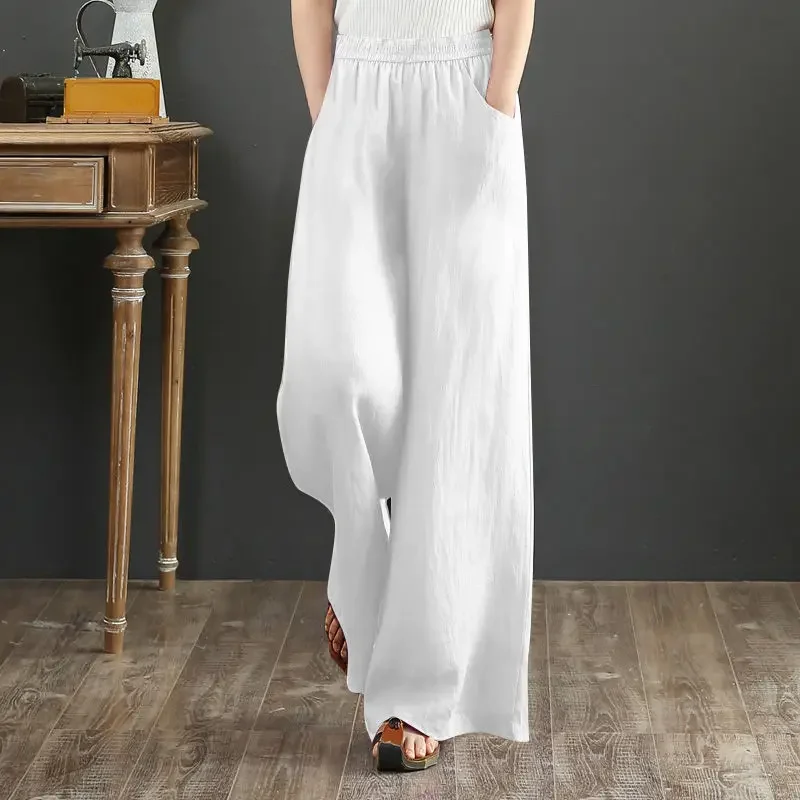
Linen’s advantages extend beyond comfort, making it a strategic choice for both performance and sustainability. Exceptional Breathability: Ideal for summer clothing and hot climates, offering continuous airflow and cooling comfort. Eco-Friendly & Sustainable:
- Requires significantly less water than cotton
- Grows with minimal pesticides
- Fully biodegradable fabric
Long-Lasting Durability: A durable natural fabric that becomes softer and more comfortable over time without losing strength.
Timeless Aesthetic: Its natural wrinkles and textured weave create a relaxed yet premium look that aligns with modern minimalist and luxury styles. Comfort & Versatility: Suitable for a wide range of uses, including:
- Linen pants
- Linen shirts
- Linen dresses
Linen’s production process and fiber structure directly contribute to its breathability, durability, and premium positioning, making it one of the most functional and enduring fabrics available today.
Disadvantages of Linen Fabric
Understanding the limitations of linen helps set realistic expectations and improves long-term satisfaction. Despite its many strengths, linen is not without trade-offs—most of which are directly tied to its natural fiber structure and minimal processing.
- Wrinkles Easily: “Linen wrinkles easily” is one of its most recognized characteristics. Its low elasticity means creases form quickly, especially after sitting or folding. However, this is often considered part of linen’s natural, relaxed aesthetic rather than a flaw.
- Higher Price Point: Linen tends to be more expensive due to the labor-intensive flax processing and lower production efficiency compared to cotton or synthetic fabrics. Higher-quality European linen further increases cost.
- Initial Stiffness: New linen garments can feel slightly coarse. This is due to the thicker flax fibers, but the fabric softens significantly with repeated washing and wear.
- Limited Stretch: Linen has minimal elasticity, which can affect fit and flexibility. It performs best in relaxed or loose silhouettes rather than form-fitting designs.
- Care Requirements: Proper care is essential to maintain linen’s structure: Sensitive to high heat, Can shrink if mishandled, Benefits from gentle washing and air drying
Common Uses of Linen
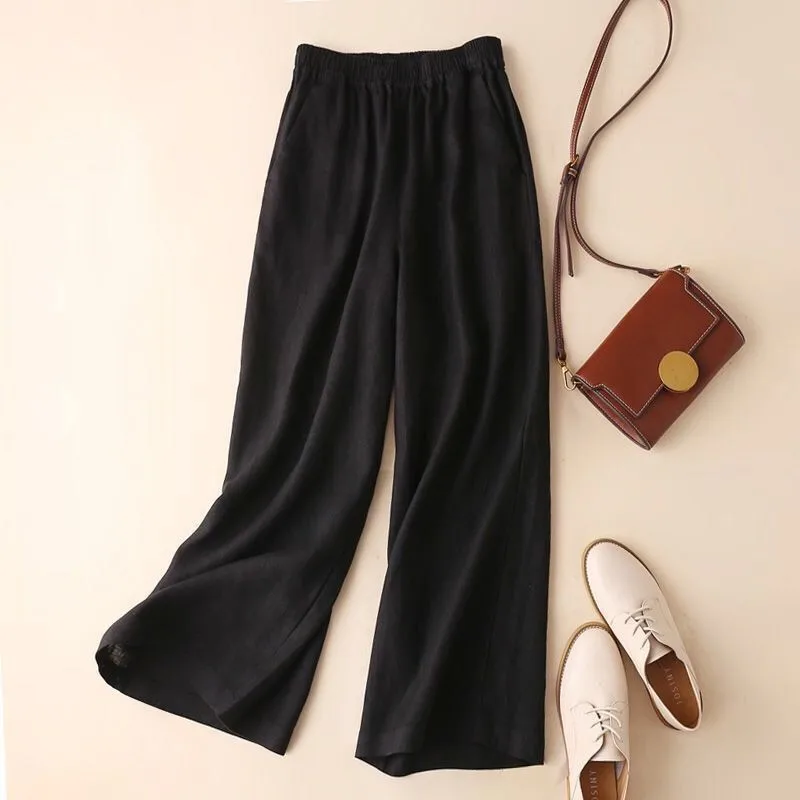
Linen’s versatility comes from how its natural properties translate seamlessly across both fashion and functional applications.
Linen Clothing
Linen is most commonly associated with warm-weather clothing, where breathability and comfort are essential. Its structure allows consistent airflow, making it a go-to fabric for:
- Linen shirts
- Linen pants
- Linen suits
- Linen summer outfits
From a practical standpoint, linen performs exceptionally well in hot, humid climates and travel scenarios, where lightweight, moisture-wicking materials are critical. Its slightly relaxed texture also aligns with modern preferences for effortless, casual style.
Home Textiles
Beyond apparel, linen has a strong presence in home textiles, where durability and comfort matter over long-term use:
- Linen bedding and sheets, valued for temperature regulation and breathability
- Curtains, offering a natural drape and soft light diffusion
- Tablecloths, combining durability with a refined, textured look
These applications highlight linen’s ability to balance functionality with aesthetic appeal.
Other Applications
Linen is also used in:
- Upholstery fabrics, thanks to its strength and resistance to wear
- Accessories such as bags and scarves
Its durability and natural finish make it adaptable across both interior design and lifestyle products.
Linen vs Other Fabrics (Comparison Guide)
Comparing linen with other fabrics provides a clearer view of where it delivers the most value.
Linen vs Cotton
- Linen: more breathable, stronger, better for heat
- Cotton: softer initially, easier to maintain, less wrinkling
Linen vs Polyester
- Linen: natural, breathable, eco-friendly
- Polyester: synthetic, wrinkle-resistant, lower maintenance
Linen vs Rayon
- Linen: more durable, better airflow, longer lifespan
- Rayon: smoother texture, softer feel, more fluid drape
Linen vs Bamboo
- Linen: more durable, more structured, longer-lasting
- Bamboo: softer, more flexible, often blended with other fibers
Across these comparisons, linen consistently stands out as a premium natural fabric, particularly for breathability, durability, and long-term wear in warm conditions.
Is Linen Sustainable? (Eco-Friendly Breakdown)
Linen’s sustainability is not a marketing trend—it is rooted in how the fiber is grown and processed.
Environmental Impact
Linen is widely recognized as an eco-friendly fabric due to:
- Significantly lower water consumption than cotton
- Minimal use of pesticides and chemical inputs
- Efficient utilization of the flax plant, reducing waste
These factors position linen as one of the more responsible choices in textile production.
Biodegradability
As a biodegradable fabric, linen naturally breaks down over time, unlike synthetic materials that persist in the environment. This contributes to a lower long-term environmental footprint.
Ethical Fashion Perspective
Linen aligns closely with slow fashion principles:
- Encourages durability and long-term use
- Reduces the need for frequent replacement
- Supports more sustainable production cycles
This makes linen particularly relevant for eco-conscious consumers prioritizing both performance and responsibility.
How to Care for Linen Fabric?
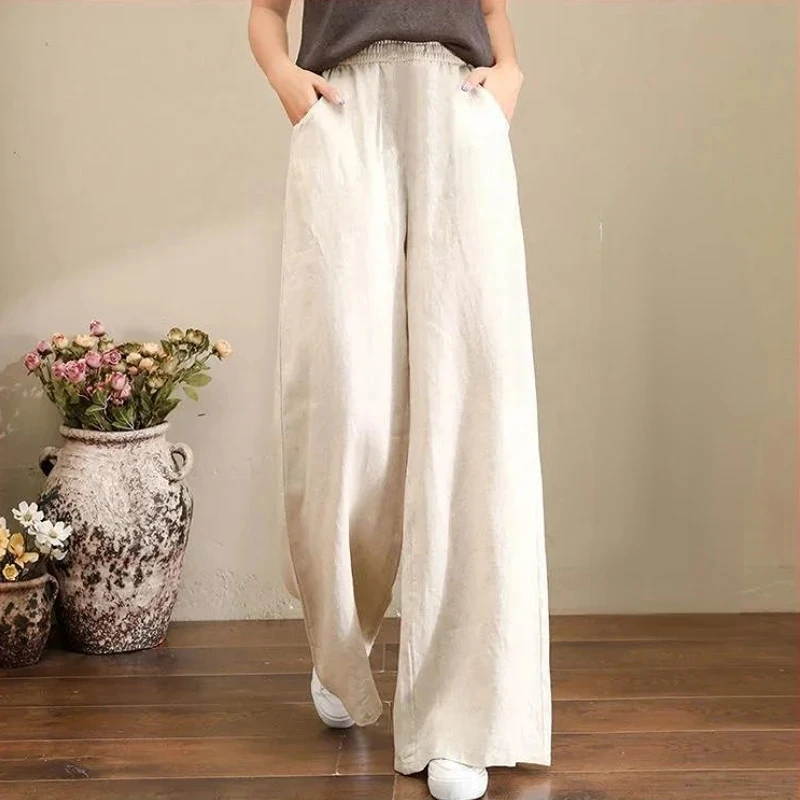
Proper care is essential to preserve linen’s structure, softness, and longevity over time.
Washing Linen:
- Use cold or lukewarm water to prevent shrinkage
- Gentle cycles help maintain fiber integrity
Drying Linen:
- Air drying is ideal to retain shape and texture
- Avoid high heat, which can weaken fibers and cause shrinkage
Ironing & Wrinkle Tips:
- Steaming is generally safer and more effective than ironing
- Wrinkles can be embraced as part of linen’s natural, relaxed character
How to Soften Linen:
- Linen softens naturally with repeated washing
- Avoid harsh detergents to prevent fiber damage
Linen stands out as a high-performance natural fabric that combines versatility, durability, and sustainability, with proper care playing a key role in maximizing its long-term value.
FAQ about What Is Linen?
These common questions address practical concerns and help clarify how linen performs in real-world use.
What is linen made from?
Linen is made from the fibers of the flax plant, specifically extracted from the stalk. These fibers are processed, spun into yarn, and woven into fabric, retaining much of their natural strength and breathability.
Is linen better than cotton?
It depends on the intended use. Linen is generally more breathable and durable, making it ideal for hot climates and long-term wear. Cotton, on the other hand, is typically softer from the start and easier to maintain, which may suit everyday comfort and low-maintenance needs.
Why is linen expensive?
Linen’s higher cost is largely due to its labor-intensive production process, from harvesting flax to fiber extraction and weaving. Lower yields and slower processing compared to cotton also contribute to its premium pricing.
Does linen wrinkle easily?
Yes, linen wrinkles easily because it has low elasticity. However, these wrinkles are widely accepted as part of its natural texture and relaxed aesthetic, rather than a drawback.
Is linen good for summer?
Linen is considered one of the best fabrics for summer due to its breathability, moisture-wicking ability, and airflow, which help regulate body temperature in hot and humid conditions.
How long does linen last?
With proper care, linen is an exceptionally long-lasting fabric. Its strong fibers allow it to maintain structure over time, often lasting for decades while becoming softer with use.
Can linen shrink after washing?
Yes, linen can shrink if exposed to hot water or high heat drying. To maintain its shape and size, it is best washed in cold or lukewarm water and air-dried.
Conclusion
At StrideLinen, we see linen as more than just a fabric—it’s a timeless, sustainable solution for modern living. Now that you fully understand what is linen, from its flax origins to its breathable performance and eco-friendly advantages, you can make smarter choices when selecting clothing and home textiles. Whether you’re investing in linen pants for summer, upgrading your wardrobe, or embracing sustainable fashion, linen remains one of the best fabrics you can choose in 2026 and beyond.