At StrideLinen, we often hear one familiar question from style-conscious readers: Can you wear linen pants in winter or fall, or are they strictly a summer essential? Linen has long been associated with beach vacations, hot weather, and breezy summer outfits. Its breathable, lightweight nature has earned it a reputation as a warm-weather fabric—often leading people to retire their linen pants as soon as temperatures drop.
But fashion is evolving, and so is the way we wear linen. With the right fabric weight, smart layering, and seasonal styling, linen pants can move seamlessly into fall and even mild winter wardrobes. The key lies in understanding how linen behaves in cold weather, how to style it properly, and when it makes sense to wear it—and when it doesn’t.
In this comprehensive guide, StrideLinen answers the question “Can You Wear Linen Pants in Winter or Fall?” in full detail. From fabric science and layering strategies to outfit ideas, color choices, and common mistakes, this article covers everything you need to know to wear linen pants confidently beyond summer.
Understanding Linen Fabric in Cold Weather
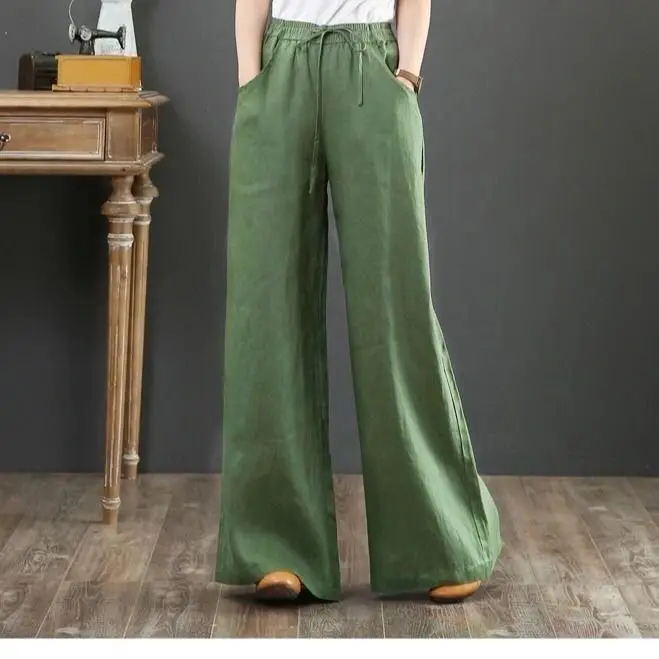
Linen is often misunderstood as a fabric strictly reserved for summer, yet its behavior in cooler temperatures depends largely on construction, layering, and seasonal context. To determine whether linen pants can function in fall or winter, it’s essential to understand how linen differs from other common cold-weather fabrics.
What Makes Linen Different From Other Fabrics?
Linen is derived from flax fibers, which are naturally structured to promote airflow rather than trap heat. This fundamental characteristic explains both linen’s popularity in warm climates and the hesitation around wearing it in cold weather. Key characteristics of linen fabric include:
- High breathability, allowing consistent air circulation and reducing heat buildup
- Low heat retention when compared to insulating fabrics like wool, fleece, or flannel
- Natural texture with visible wrinkles, reflecting its relaxed, unstructured fiber composition
- Efficient moisture absorption, helping regulate body temperature and prevent dampness
Because linen does not rely on thermal insulation, it is often labeled as unsuitable for cold weather. However, this assumption overlooks several important variables. Fabric thickness, weave density, and linen blends can significantly alter how linen pants perform in fall and winter. Heavier linen weaves and blended fabrics behave very differently from lightweight summer linen, especially when integrated into layered outfits.
Is Linen Warm Enough for Fall or Winter?
One of the most common questions is: Are linen pants warm enough for winter? The answer is conditional rather than absolute.
- Fall weather: Linen pants are generally well-suited for fall, particularly during early to mid-autumn when temperatures remain moderate. In these conditions, linen provides comfort without overheating, especially when paired with long sleeves or light outerwear.
- Winter weather: Linen pants can work in mild winter climates but are not designed to perform as a primary insulating layer. In colder environments, they require thoughtful layering and are best reserved for indoor settings or short outdoor exposure.
In transitional seasons, linen’s breathability becomes a functional advantage rather than a drawback. When styled with sweaters, coats, and closed footwear, linen pants help balance temperature shifts between outdoor chill and indoor warmth, maintaining comfort while still aligning with seasonal aesthetics.
Linen may not generate warmth on its own, but with the right construction and styling, it can adapt effectively to cooler weather without compromising comfort or practicality.
Can You Wear Linen Pants in Fall?
Fall is one of the most flexible seasons in fashion, where temperature shifts throughout the day require fabrics that can adapt without sacrificing comfort or appearance. Linen pants, when chosen and styled correctly, fit naturally into this transitional period.
Why Linen Pants Work Well in Fall?
Autumn is commonly described as a shoulder season, positioned between summer heat and winter cold. During this time, breathable fabrics become especially valuable, as they help regulate body temperature when mornings are cool and afternoons remain relatively warm.
Linen pants perform well in fall because they offer:
- Balanced airflow, preventing overheating during warmer daytime hours
- Layering versatility, pairing easily with knitwear, blazers, and light jackets
- A relaxed yet refined silhouette, suitable for casual and smart-casual settings
- Strong alignment with fall color palettes, particularly neutral and earthy tones
Unlike heavy winter fabrics that can feel restrictive early in the season, linen pants provide comfort without excess bulk. Fall linen outfits naturally bridge the gap between summer ease and winter structure, making linen pants a practical and visually appropriate choice.
How to Style Linen Pants for Fall?
Understanding how to wear linen pants in fall relies primarily on intentional layering and seasonal adjustments rather than dramatic wardrobe changes.
Layering Linen Pants for Autumn
Layering transforms linen pants from a summer staple into a fall-ready essential:
- Pair linen pants with lightweight sweaters or fine-knit tops for warmth without heaviness
- Add blazers or cardigans to introduce structure and insulation
- Replace short sleeves and tanks with long-sleeve tops to reflect cooler temperatures
This approach maintains linen’s breathable qualities while adapting it to autumn conditions.
Footwear Choices for Fall Linen Outfits
Footwear plays a crucial role in anchoring linen pants in a fall context:
- Linen pants with ankle boots create a seasonally grounded look
- Linen pants with loafers or leather sneakers work well for everyday wear
- Closed-toe shoes enhance practicality and visual balance
Open footwear tends to push the outfit back toward summer, while structured shoes reinforce autumn styling.
Best Fall Colors for Linen Pants
Color selection significantly affects how seasonally appropriate linen pants appear:
- Beige, tan, and sand tones for soft transitional looks
- Brown and camel shades that echo classic autumn palettes
- Olive, charcoal, and other muted neutrals for depth and versatility
Dark or neutral linen pants naturally feel more autumnal, while bright whites and pastels are better reserved for warmer months. Fall offers ideal conditions for wearing linen pants, as long as fabric choice, layering, footwear, and color are thoughtfully aligned with the season.
Can You Wear Linen Pants in Winter?
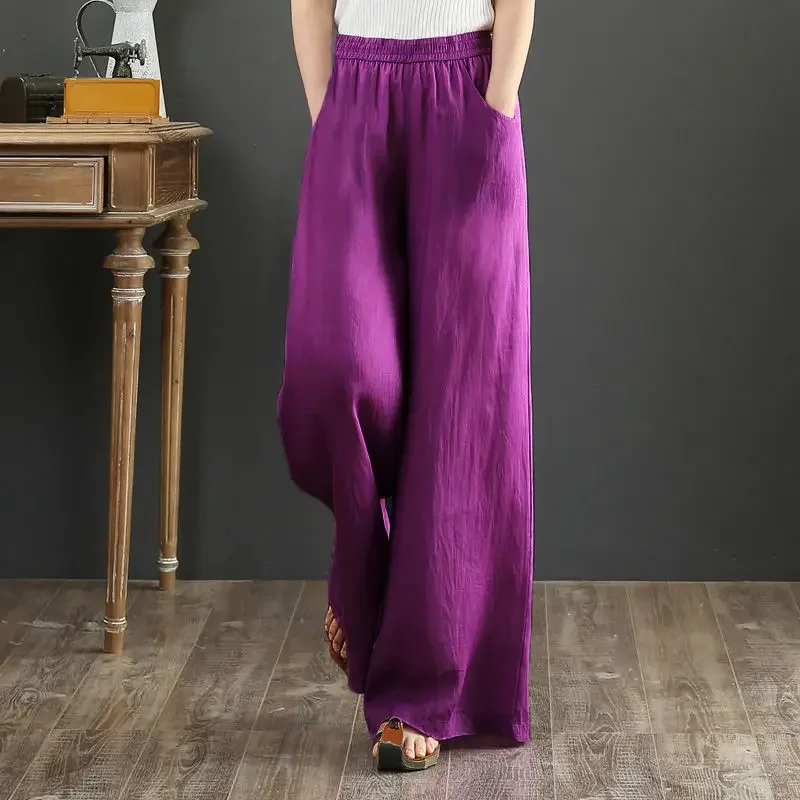
Winter presents the greatest challenge for linen pants, as colder temperatures demand insulation rather than airflow. However, linen is not entirely excluded from winter wardrobes—its suitability depends on climate, daily activity, and how it is styled.
When Linen Pants Are Suitable for Winter
The question “Can you wear linen pants in winter?” is highly contextual rather than universal. Linen pants can function in winter under specific conditions where extreme cold is not the primary concern.
Linen pants can work during winter if:
- The climate is mild or temperate, with minimal exposure to freezing temperatures
- Daily routines involve mostly indoor environments, such as offices or indoor events
- Outfits are layered strategically with insulating upper garments
- Thicker linen fabrics or linen blend pants are chosen over lightweight summer linen
On the other hand, linen pants are generally less suitable for:
- Snowy or freezing conditions, where insulation is essential
- Outdoor-heavy activities that require thermal protection
- Extremely windy environments, as linen offers limited wind resistance
Understanding these boundaries helps set realistic expectations for winter linen wear.
How to Style Linen Pants in Winter?
Styling linen pants for winter focuses less on warmth from the fabric itself and more on balancing proportions and insulation through layering.
Winter Layering With Linen Pants
Layering becomes non-negotiable when wearing linen pants in cold weather:
- Thermal or fitted base layers worn underneath help compensate for linen’s low heat retention
- Chunky knit sweaters or wool tops provide core warmth
- Long coats or structured jackets create a protective outer layer
This combination allows linen pants to remain part of a winter outfit without compromising comfort.
Outerwear That Works Best
Choosing the right outerwear anchors linen pants firmly in winter styling:
- Linen pants with wool coats offer classic insulation and structure
- Linen pants with puffer jackets add warmth while creating modern contrast
- Linen pants with tailored overcoats maintain a refined, city-appropriate look
Heavier outer layers visually and functionally balance the lightweight nature of linen.
Footwear for Winter Linen Outfits
Footwear completes the seasonal transition:
- Linen pants with ankle boots suit mild winter conditions
- Linen pants with leather boots add durability and warmth
- Sandals and open footwear should be avoided, as they undermine both practicality and seasonality
Winter linen outfits rely on contrast and structure, where lightweight linen pants are intentionally offset by substantial layers above and grounded footwear below. Linen pants are not a winter essential, but in the right environment and with careful styling, they can remain a viable option even in colder months.
Choosing the Right Linen Pants for Cold Seasons
Selecting appropriate linen pants is a decisive factor in whether they function well in fall and winter. Fabric construction, weight, and design details often matter more than the material label itself. Not all linen pants are designed with cooler temperatures in mind. Lightweight summer linen behaves very differently from denser or blended versions intended for transitional wear.
Heavyweight Linen Pants
Heavyweight linen pants are defined by a tighter weave and a more substantial hand feel, which makes them noticeably more suitable for cooler conditions than lightweight summer linen. The denser construction reduces airflow, helping limit heat loss while still preserving linen’s natural breathability.
This added structure also improves wind resistance, particularly when paired with outer layers such as coats or jackets. As a result, heavyweight linen pants feel more stable and seasonally grounded, making them a reliable option for fall and mild winter wear without sacrificing comfort.
Linen Blend Pants
Linen blend pants are often the most practical solution for colder seasons, as they combine linen’s breathable comfort with enhanced insulation from complementary fibers. Linen-wool blend pants introduce warmth, structure, and durability, making them better suited for low temperatures while maintaining airflow. Linen-cotton pants offer a softer balance, retaining breathability while adding moderate heat retention for everyday wear.
When comparing linen vs wool pants for winter, pure wool clearly excels in insulation, but linen blends provide greater flexibility, making them easier to layer and more comfortable in fluctuating indoor and outdoor environments. These blends effectively reduce the limitations of pure linen without removing its key advantages.
Fit and Design Considerations
Fabric alone does not determine how linen pants perform in cold weather. Fit and design play a crucial role in managing airflow, layering potential, and overall seasonal appropriateness. Well-considered silhouettes can significantly enhance both warmth and visual balance in fall and winter outfits.
Tailored Linen Pants
Tailored linen pants are particularly effective in colder seasons due to their refined structure and controlled fit. A more streamlined silhouette reduces excess airflow, helping retain warmth compared to looser cuts. Tailored designs also create a polished appearance suitable for smart-casual and professional settings, pairing easily with structured tops, blazers, coats, and jackets. This balance of form and function makes tailored linen pants a dependable option for transitional and cool-weather styling.
Wide-Leg Linen Pants in Winter
Wide-leg linen pants can work well in winter when styled intentionally and paired with appropriate layers. The additional room in the leg allows space for thermal or fitted base layers underneath, improving insulation without restricting movement. When combined with boots and longer coats, wide-leg silhouettes create visual balance and prevent the outfit from feeling top-heavy. This design offers comfort and versatility while remaining seasonally relevant, especially in mild winter conditions.
High-Waisted Linen Pants
High-waisted linen pants enhance both practicality and silhouette during colder months. The higher rise provides better coverage, which becomes especially beneficial when layering tops and outerwear. By covering more of the core area, high-waisted designs help retain warmth where heat loss is most noticeable. They also pair well with tucked knitwear, sweaters, and longer outerwear, creating a cohesive and functional fall or winter outfit.
Choosing linen pants for cold seasons requires attention to fabric weight, blending, and fit. When these elements align, linen pants transition from a summer staple into a practical option for fall and even mild winter wear.
Best Colors and Styles for Fall and Winter Linen Pants
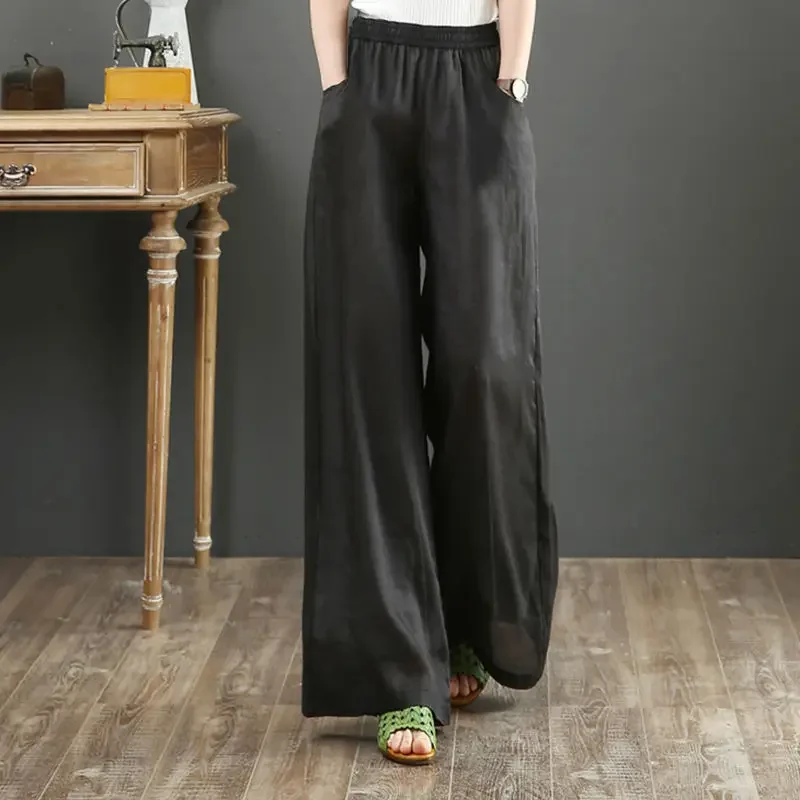
Color selection plays a decisive role in determining whether linen pants feel seasonally appropriate in cooler months. While fabric and layering provide function, color and style establish visual alignment with fall and winter wardrobes.
Dark Linen Pants for Winter
Dark-colored linen pants are particularly effective in winter styling, as they naturally convey warmth, structure, and depth. Black linen pants winter outfits appear sleek and modern, especially when paired with heavy outerwear and boots. Charcoal and navy offer slightly softer alternatives, maintaining versatility while adding richness to cold-weather looks. These darker shades also minimize the casual appearance often associated with linen, allowing the fabric to integrate more seamlessly into winter outfits.
Neutral Linen Pants for Fall
Neutral tones are ideal for fall, when outfits transition away from summer brightness toward earthier palettes. Linen pants in beige, taupe, and cream provide a soft foundation that pairs effortlessly with knitwear, jackets, and autumn layers. Earthy hues such as olive, sand, and muted brown align naturally with fall aesthetics, reinforcing a seasonal feel without overwhelming the outfit. These colors enhance linen’s relaxed texture while keeping the overall look refined and intentional.
Bright or pastel shades are best avoided in colder months, as they tend to feel disconnected from fall and winter environments. In conclusion, choosing darker shades for winter and neutral, earthy tones for fall ensures linen pants remain visually cohesive and seasonally relevant beyond summer.
Comfort and Practicality: Are Linen Pants Practical in Cold Weather?
Comfort and practicality are often the deciding factors when choosing fabrics for colder seasons. Linen pants, while not traditionally associated with winter wear, offer specific advantages and limitations that should be evaluated realistically rather than dismissed outright.
Pros of Wearing Linen Pants in Fall and Winter
One of the primary benefits of linen pants in cooler seasons is indoor comfort. Their breathable nature prevents overheating in heated environments such as offices, restaurants, and indoor events. This makes linen pants especially practical during fall and mild winter, when temperature transitions between indoors and outdoors are frequent.
Linen pants are also lightweight, which makes them easy to layer without adding bulk. When paired with sweaters, coats, and structured outerwear, they provide a clean silhouette that feels less restrictive than heavier fabrics. In addition, linen serves as a stylish alternative to dense winter materials, offering a relaxed yet refined texture that works well for smart-casual fall outfits and transitional wardrobes.
Cons of Wearing Linen Pants in Winter
Despite their versatility, linen pants have clear limitations in cold weather. The most significant drawback is limited insulation, as linen does not trap heat effectively on its own. This makes them unsuitable for prolonged outdoor exposure in low temperatures. Linen is also known for its wrinkle-prone texture, which can appear less structured in winter outfits that typically favor sharper lines and heavier fabrics. Furthermore, linen pants are not ideal for extreme cold, particularly in snowy, windy, or sub-zero conditions where thermal protection is essential.
Understanding the pros and cons of linen pants in winter allows for informed styling decisions. When used selectively and paired with appropriate layers, linen pants can be practical and comfortable in fall and mild winter settings, but they should not replace true cold-weather fabrics in harsh conditions.
Common Mistakes to Avoid When Wearing Linen Pants in Cold Weather
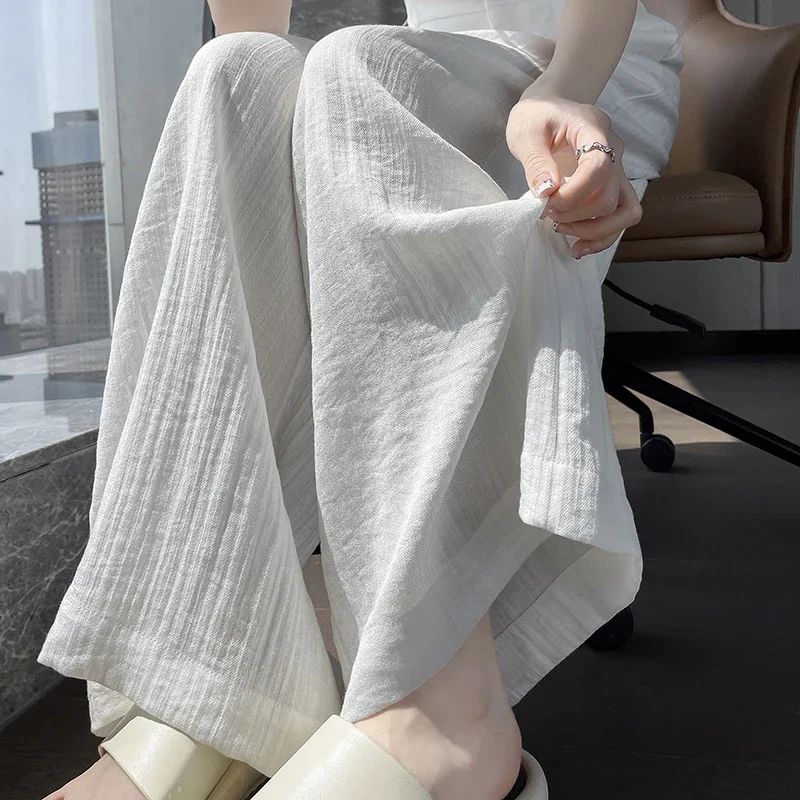
Even the most stylish linen pants can appear out of place in fall and winter if not worn thoughtfully. Avoiding common mistakes ensures that linen remains a versatile, seasonally appropriate choice.
- One frequent error is wearing lightweight summer linen in freezing temperatures. Thin fabrics offer minimal insulation, leaving outfits impractical for cold weather. Closely related is skipping layers; linen alone rarely provides sufficient warmth, so pairing with base layers, sweaters, and outerwear is essential.
- Another common oversight is choosing open footwear, such as sandals or summer flats, which undermines the seasonal appropriateness of linen pants. Additionally, ignoring fabric weight can compromise both comfort and style—lightweight linen is suitable for early fall, but heavier or blended fabrics are needed for colder months. Finally, styling linen pants like summer outfits, without adjusting color palettes, textures, or accessories, often results in an ensemble that feels disjointed or out of season.
- Being mindful of fabric weight, layering, footwear, and seasonal styling ensures linen pants look intentional and cohesive in fall and winter outfits, rather than misplaced or impractical.
Styling Linen Pants for Transitional Seasons
Transitional seasons, such as early fall and late spring, demand versatile clothing that adapts to fluctuating temperatures. Linen pants excel in these periods, bridging the gap between lightweight summer fabrics and heavier winter materials while maintaining comfort and style. How to Style Linen Pants for Transitional Seasons?
Layering is key when incorporating linen pants into a transitional wardrobe. Pairing them with knitwear or fine sweaters provides warmth during cooler mornings and evenings without sacrificing breathability during warmer afternoons. Coats, blazers, or structured jackets add necessary insulation while balancing the light, airy texture of linen.
Color choice and texture also play a significant role. Neutral and darker tones, such as beige, taupe, charcoal, and navy, help linen pants feel seasonally appropriate. Combining fabrics with contrasting textures—like smooth linen with chunky knits or soft wool—enhances visual interest and prevents outfits from appearing flat or mismatched.
Linen Pants vs Other Fabrics for Fall and Winter
Selecting the right fabric is critical when preparing a fall or winter wardrobe. While linen is often associated with warmer months, understanding how it compares to cotton and wool helps determine its appropriate seasonal use and styling potential.
- Linen vs Cotton Pants: Cotton pants generally provide slightly more warmth than lightweight linen due to their denser weave, making them a dependable choice for cooler temperatures. However, linen offers superior breathability, allowing for better temperature regulation in transitional seasons. This balance makes linen particularly effective for indoor wear or layered outfits, where comfort without overheating is essential.
- Linen vs Wool Pants: Wool is renowned for its insulating properties, offering superior warmth in cold weather. In contrast, linen is lighter and more versatile, especially indoors or in milder climates. While wool excels for full winter coverage and outdoor activities, linen shines in transitional outfits that require flexibility, layering, and ease of movement.
Each fabric serves a distinct purpose. Linen is not meant to replace heavier winter fabrics but excels in layered looks, transitional seasons, and situations where breathability and lightweight comfort are prioritized. Properly styled, linen pants can complement cotton or wool garments, creating versatile and seasonally appropriate ensembles.
FAQs About Wearing Linen Pants in Winter or Fall
Linen pants raise a number of practical questions when transitioning from summer to cooler seasons. Understanding these common concerns helps determine how and when linen can be incorporated into fall and winter wardrobes.
Can linen pants be worn year round?
Linen pants can be adapted for year-round wear with thoughtful styling and attention to climate. In warmer months, their breathability makes them ideal, while in fall and mild winter, pairing with insulating layers and appropriate outerwear allows them to remain functional and stylish.
Are linen pants only for summer?
Although linen has a long-standing association with summer fashion, it is not restricted to hot weather. Heavier weaves, blended fabrics, and layered styling enable linen pants to work effectively in fall and even in mild winter conditions.
How cold is too cold for linen pants?
Linen pants become less practical in freezing temperatures unless layered properly with thermal undergarments or thick base layers. Exposure to extreme cold without sufficient layering reduces warmth and comfort, limiting their suitability for harsh winter climates.
What season are linen pants best for?
Linen pants are most naturally suited for spring, summer, and fall due to their breathable, lightweight nature. Winter wear is conditional, depending on fabric weight, blending, and how the pants are styled with seasonal layers and outerwear.
How do you make linen pants winter-appropriate?
To wear linen pants in winter effectively, focus on thicker fabrics or blends, strategic layering, and pairing with seasonal footwear and outerwear. Combining these elements allows linen pants to provide both style and comfort in cooler months, without compromising their lightweight, relaxed aesthetic.
Conclusion
At StrideLinen, we believe linen pants are far more versatile than traditional fashion rules suggest. While they may not replace wool trousers in extreme cold, linen pants absolutely belong in fall wardrobes and can even work in winter when styled thoughtfully. Choosing the right fabric weight, embracing layering, and adapting colors and footwear allow linen pants to transition smoothly into colder seasons. When worn correctly, linen pants are not just a summer staple—they are a year-round style asset. Whether you’re building a fall capsule wardrobe or experimenting with winter layering, linen pants deserve a place in your closet well beyond warm weather.