At StrideLinen, we’ve seen a major shift in how people choose summer and travel clothing. It’s no longer just about style—today, comfort, breathability, sustainability, and fabric performance matter just as much. One of the most common questions we get is: “Linen Pants vs Rayon Pants – which one is actually better?” This question is more important than it looks because both fabrics dominate the lightweight pants category, especially for hot climates, tropical travel, and modern minimalist fashion. Yet, they perform very differently when you compare linen vs rayon fabric pants, breathability, durability, comfort, wrinkle resistance, and real-life use cases.
In this complete guide, StrideLinen will break down everything you need to know about Linen Pants vs Rayon Pants, including fabric structure, comfort in hot weather, durability, style differences, and real-world use cases like travel, office wear, and everyday outfits. By the end, you’ll know exactly which fabric fits your lifestyle best.
What Are Linen Pants? (Natural Fabric Explained)
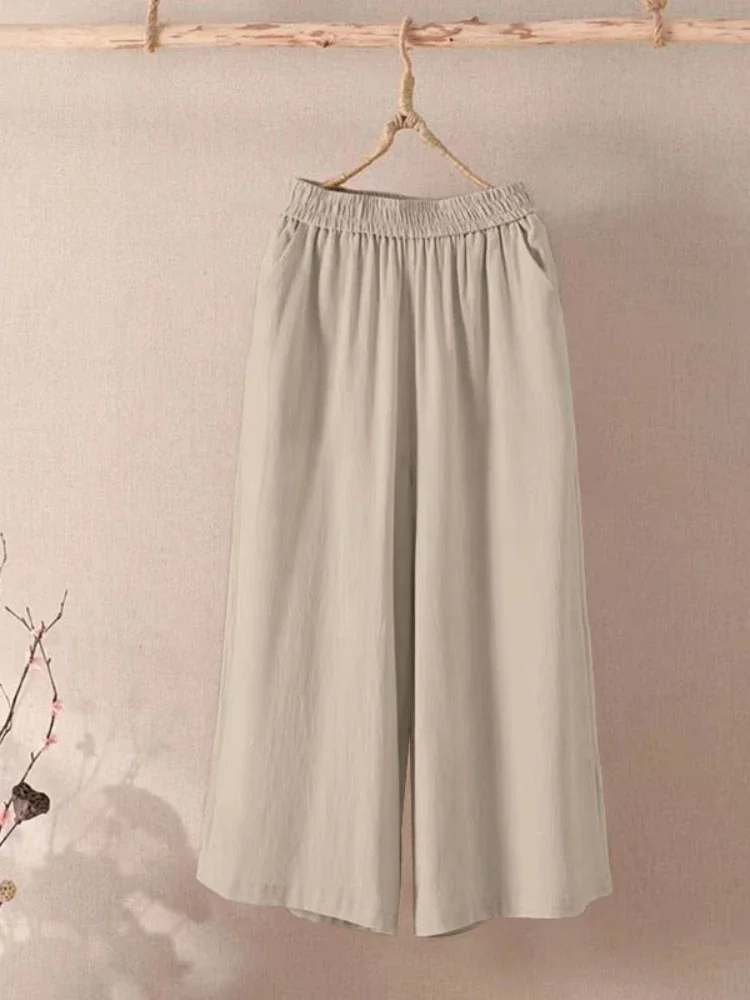
Linen pants are a staple in warm-weather wardrobes, valued for their natural origin and exceptional breathability. To understand why they are often recommended in any linen vs rayon clothing comparison, it’s important to look at how the fabric is made and why it performs so well in hot climates.
Linen Fabric Overview
Linen is one of the oldest and most respected natural fabrics in the world. It is made from the flax plant, which produces strong, breathable fibers. Because of its natural structure, linen is widely known for being one of the best materials for hot and humid climates. When people search for linen vs rayon clothing comparison or natural vs semi-synthetic fabric pants, linen consistently stands out for its eco-friendly and breathable nature.
Key Characteristics of Linen Pants
Linen pants are defined by several unique qualities:
- Extremely breathable fabric structure
- High moisture absorption and quick drying
- Lightweight summer-friendly texture
- Natural wrinkled appearance (signature aesthetic)
- Strong and durable fibers when properly cared for
- Sustainable and biodegradable material
Unlike synthetic fabrics, linen does not trap heat. Instead, it allows air to flow freely, making it one of the top choices for breathable pants for summer linen vs rayon pants comparisons.
Best Use Cases for Linen Pants
Linen pants are ideal for:
- Hot weather and tropical climates
- Beach vacations and resort wear
- Casual summer outfits
- Minimalist fashion styling
- Travel clothing in humid environments
- Relaxed office dress codes
If your priority is cooling fabric pants comparison, linen almost always ranks at the top.
What Are Rayon Pants? (Soft and Flowing Fabric Explained)
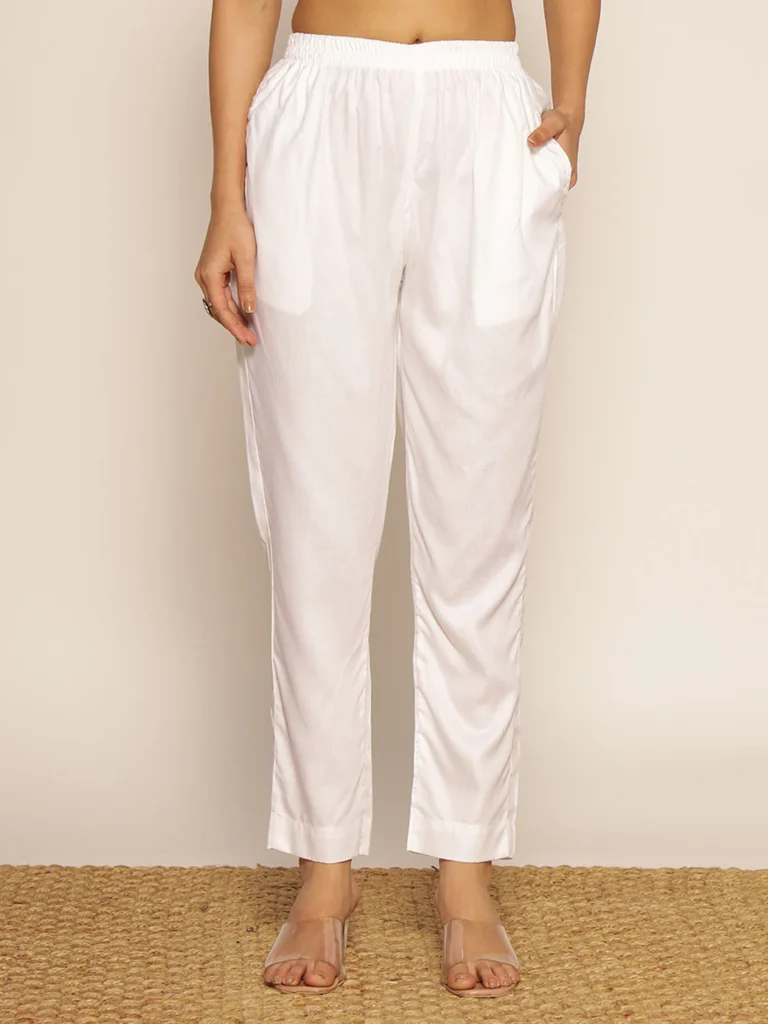
Rayon pants are designed for softness, movement, and style, making them a popular alternative in modern fashion. In many rayon vs linen pants comparison searches, rayon is highlighted for its elegant appearance and comfort-driven design.
Rayon Fabric Overview
Rayon is a semi-synthetic fabric made from regenerated cellulose fibers. It is often produced from wood pulp or plant-based materials that are chemically processed to create a smooth, silk-like texture. In many rayon vs linen pants comparison discussions, rayon is seen as the “fashion fabric” because of its elegant drape and softness.
Key Characteristics of Rayon Pants
Rayon pants are known for:
- Extremely soft and smooth texture
- Lightweight and flowy appearance
- Elegant draping effect similar to silk
- Comfortable feel against the skin
- Affordable alternative to luxury fabrics
- Good breathability in light to moderate heat
However, rayon behaves differently depending on blends and manufacturing quality. In some cases, it is less durable when exposed to moisture or frequent washing.
Best Use Cases for Rayon Pants
Rayon pants are commonly used for:
- Fashion-forward outfits
- Office casual wear
- Evening and dressy summer looks
- Stylish vacation dinners
- Flowing wide-leg pants designs
- Lightweight city wear outfits
For people searching flowy pants rayon vs linen or elegant summer pants fabric comparison, rayon often wins in visual appeal.
Linen Pants vs Rayon Pants – Key Differences Explained

A closer comparison between linen and rayon reveals that the differences go far beyond surface-level comfort. Each fabric responds differently to heat, movement, moisture, and long-term wear, which is why the choice between them often depends on real-world usage rather than aesthetics alone.
Breathability & Comfort
Linen Pants
Linen is widely regarded as one of the most breathable natural fabrics available, thanks to its loosely woven flax fibers that allow continuous air circulation. This structure makes linen particularly effective in regulating body temperature under intense heat and humidity.
- Excellent airflow and ventilation
- Helps maintain a cooler body temperature in hot climates
- Ideal for prolonged outdoor wear in tropical conditions
Rayon Pants
Rayon also offers a light and airy wearing experience, but its performance is more dependent on fabric construction and blends. While soft and comfortable, it does not consistently match linen’s natural ventilation capacity in high-humidity environments.
- Soft, lightweight comfort suitable for mild heat
- Can retain slight moisture in very humid conditions
- Performs best in controlled or moderate climates
In the context of moisture wicking pants fabric comparison, linen demonstrates a more stable and reliable cooling performance, especially in extreme heat conditions.
Texture & Feel
Linen Pants
Linen delivers a distinctly natural texture that reflects its plant-based origin. It often feels slightly crisp at first wear but gradually softens over time, creating a lived-in comfort that many users appreciate in casual and minimalist fashion.
- Natural, slightly textured surface
- Earthy and organic feel
- Softens progressively with repeated wear and washing
Rayon Pants
Rayon is engineered for smoothness and fluidity, often mimicking the softness of silk. It provides a more polished and refined tactile experience, which contributes to its popularity in fashion-forward designs.
- Silky, smooth surface with soft touch
- Fluid drape with elegant movement
- More visually polished appearance
From a comfort perspective, rayon leads in softness, while linen stands out for its natural, breathable structure. Each serves a different sensory preference.
Durability & Strength
Linen Pants
Linen is among the strongest natural fibers used in clothing. Its structural integrity allows it to withstand repeated wear over time, often improving in softness without losing durability.
- High tensile strength in dry conditions
- Long-lasting with proper care
- Becomes more comfortable with age
Rayon Pants
Rayon, while visually appealing, is structurally more delicate. It is particularly vulnerable when wet and may lose shape or strength if not handled carefully.
- Reduced strength when exposed to moisture
- Prone to tearing or deformation under stress
- Shorter lifecycle compared to natural linen
In a linen vs rayon durability comparison, linen clearly offers superior long-term reliability and structural resilience.
Wrinkle Resistance
Linen Pants
Wrinkling is an inherent characteristic of linen due to its natural fiber structure. Rather than being a defect, it is often considered part of its relaxed, effortless aesthetic.
- Wrinkles easily under movement
- Enhances casual, relaxed styling
- Common in resort and summer fashion looks
Rayon Pants
Rayon generally maintains a smoother surface and resists wrinkles better under normal wear conditions, making it more suitable for polished or semi-formal outfits.
- Better wrinkle resistance during wear
- Maintains a smoother visual finish
- Ideal for clean, structured styling
For linen vs rayon which wrinkles less, rayon provides a more consistently polished appearance.
Moisture & Sweat Absorption
Linen Pants
Linen performs exceptionally well in moisture management due to its high absorbency and fast-drying nature. This makes it especially effective in hot and humid climates where sweat control is essential.
- High moisture absorption capacity
- Dries quickly after exposure
- Comfortable in sustained heat conditions
Rayon Pants
Rayon also absorbs moisture but tends to retain dampness longer, which can reduce comfort in humid environments if ventilation is limited.
- Moderate moisture absorption
- Slower drying compared to linen
- May feel damp in prolonged humidity
In terms of humid weather pants fabric choice, linen remains the more practical and comfortable option.
Linen Pants vs Rayon Pants for Hot Weather
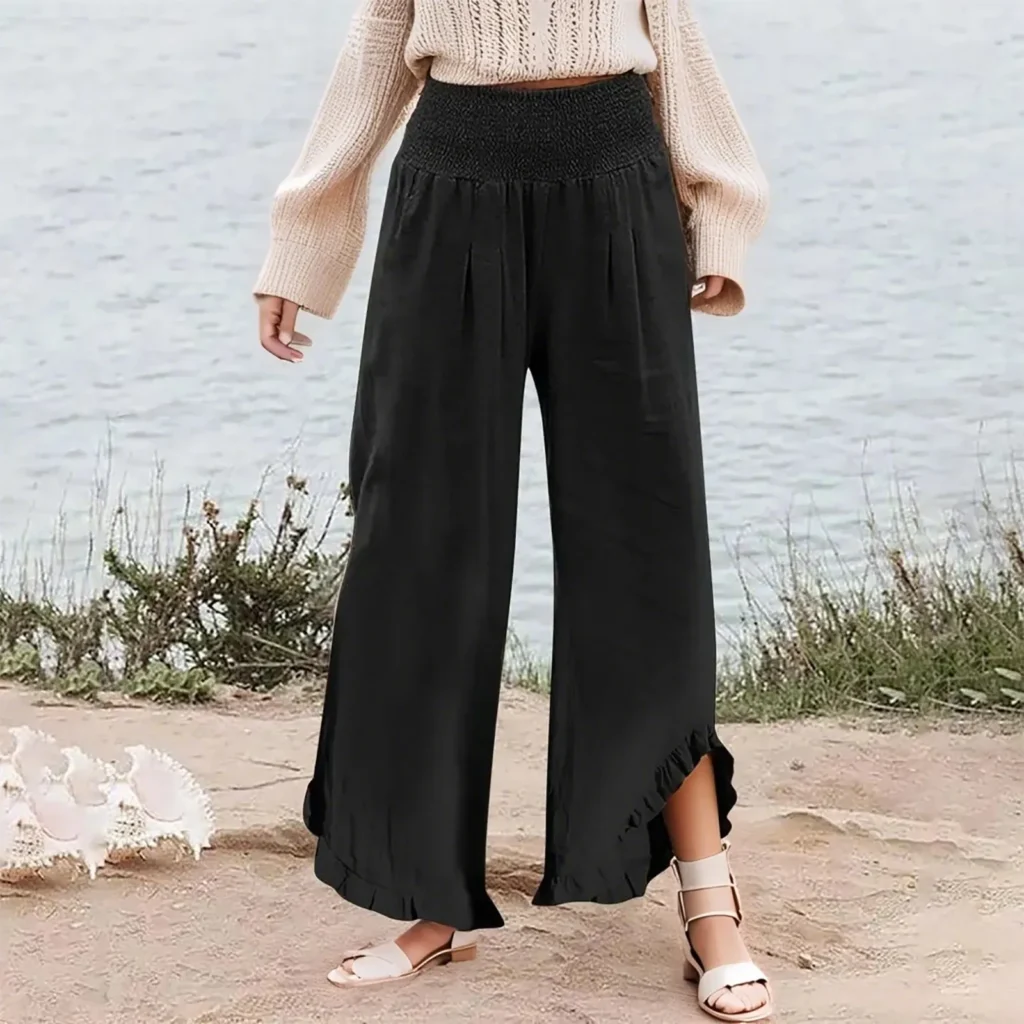
Climate is often the deciding factor in the summer fabric comparison linen rayon, as each fabric responds differently to temperature and humidity stress.
Linen in Hot Weather
Linen performs exceptionally well in extreme heat conditions. Its natural airflow system allows heat to escape efficiently, preventing overheating during long outdoor exposure.
- Maintains coolness in high temperatures
- Highly suitable for tropical and humid regions
- Reduces heat retention during prolonged wear
Rayon in Hot Weather
Rayon remains comfortable in moderate heat but becomes less efficient in high humidity. It is better suited for controlled environments or short-term outdoor wear.
- Comfortable in mild summer conditions
- Less effective under intense humidity
- More suitable for indoor or evening settings
In a direct rayon pants vs linen pants for summer evaluation, linen consistently delivers stronger performance in hot and humid climates, while rayon is better aligned with style-driven, low-exposure scenarios.
Style Comparison – Linen Pants vs Rayon Pants
Style is often the most immediate factor influencing the choice between linen and rayon pants, yet behind the visual appeal lies a deeper difference in how each fabric communicates identity, movement, and context within modern fashion.
Linen Style Identity
Linen pants are closely aligned with a natural, understated aesthetic that prioritizes simplicity and function over excess. Their visual language is rooted in texture, neutrality, and effortless structure, which makes them a long-standing staple in warm-weather and resort wardrobes.
- Strong association with minimalist and timeless fashion
- Neutral earthy tones such as beige, white, olive, and navy
- Relaxed silhouettes that emphasize comfort and airflow
- Commonly used in resort wear and vacation styling
Rather than aiming for a polished or overly refined finish, linen naturally leans toward authenticity and ease, which is why it consistently appears in linen pants vs rayon pants style comparisons as the more grounded and versatile option.
Rayon Style Identity
Rayon pants, on the other hand, are designed with visual fluidity in mind. The fabric’s engineered softness allows it to create smooth drapes and elegant movement, making it a preferred choice in fashion-driven wardrobes where silhouette and presentation matter.
- Flowing and elegant silhouettes with soft drape
- Frequently used in modern and feminine styling directions
- Suitable for trendy wide-leg, pleated, or draped designs
- Creates a more polished and refined visual impression
In the context of flowy pants rayon vs linen, rayon is often favored for its ability to elevate simple outfits into more structured, fashion-forward looks.
Use Case Comparison – Where Each Fabric Wins
The real-world performance of both fabrics becomes clearer when evaluated across different lifestyle scenarios, where practicality and aesthetics often intersect.
Travel & Vacation
In travel settings, fabric behavior under heat, movement, and prolonged wear becomes critical.
- Linen: performs best in beach environments, hot climates, and outdoor travel due to its breathability
- Rayon: more suitable for urban travel, evening dinners, and styled vacation outfits where appearance is prioritized
Office & Workwear
Work environments require a balance between comfort and presentation.
- Linen: fits well in relaxed or creative office settings where comfort is prioritized
- Rayon: better aligned with semi-formal or polished office outfits due to its smoother finish
Everyday Wear
Daily wear demands consistency in comfort and versatility.
- Linen: offers dependable breathability for routine use in warm climates
- Rayon: provides a softer, more fashion-oriented alternative for styled everyday looks
Across best pants for travel linen or rayon comparisons, linen consistently performs better in functional travel scenarios, while rayon excels in appearance-driven contexts.
Durability & Maintenance Guide
Long-term usability is often overlooked but plays a key role in determining the true value of a fabric over time.
Washing & Care
Linen
Linen is relatively low-maintenance when treated correctly and tends to improve in comfort with repeated use.
- Machine washable on gentle cycles
- Air drying recommended to preserve fiber strength
- Becomes softer and more comfortable over time
Rayon
Rayon requires more careful handling due to its delicate fiber structure.
- Gentle washing recommended to avoid damage
- Sensitive to high heat and aggressive spinning
- Can shrink or lose shape if improperly cared for
Long-Term Maintenance
- Linen: generally long-lasting with proper care and consistent wear improvement
- Rayon: moderate to shorter lifespan depending on handling and frequency of use
In a fabric maintenance comparison linen rayon, linen clearly provides a more stable and forgiving long-term experience.
Pros and Cons Summary
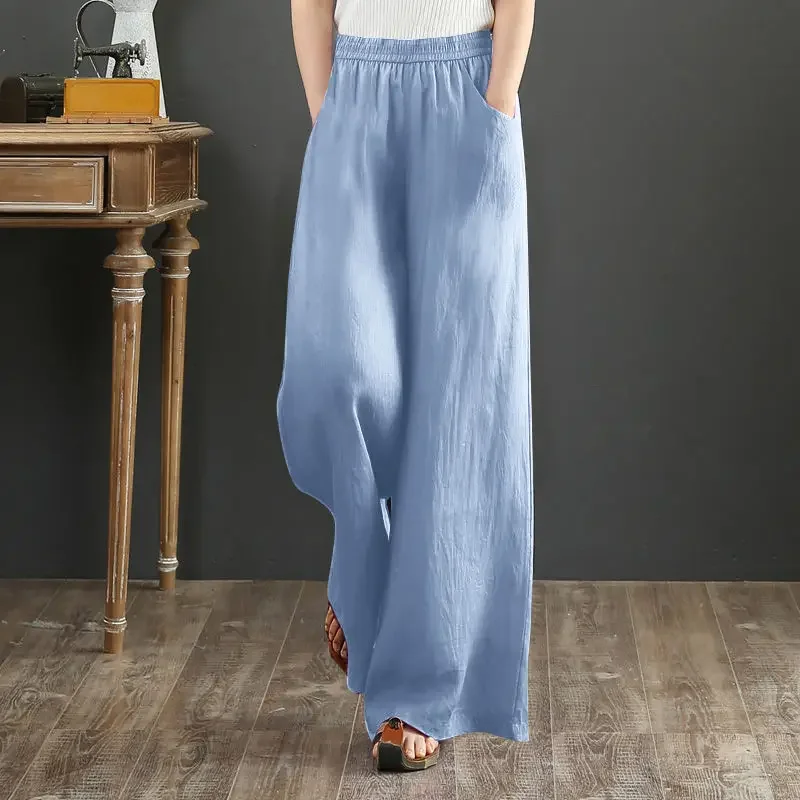
A balanced evaluation of strengths and limitations helps clarify the functional differences between both fabrics.
Linen Pants Pros
- High breathability and natural airflow
- Strong and durable fiber structure
- Eco-friendly and biodegradable material
- Highly suitable for hot and humid climates
Linen Pants Cons
- Prone to visible wrinkling
- Initially rough texture before softening over time
- Less structured appearance for formal styling
Rayon Pants Pros
- Smooth, soft, and comfortable texture
- Elegant drape with refined visual flow
- Stylish and adaptable to modern fashion trends
- Lower tendency to wrinkle under normal wear
Rayon Pants Cons
- Less durable compared to natural linen
- Sensitive to moisture and heat during washing
- Requires more careful maintenance over time
Which Is Better – Linen Pants or Rayon Pants?
The comparison between linen vs rayon pants which is better does not lead to a universal answer, as each fabric is optimized for different priorities rather than competing directly on all fronts.
Linen Pants Are Better If the Priority Is:
- Maximum breathability in hot climates
- Long-term durability and natural comfort
- Practical everyday wear in tropical environments
- Eco-conscious and sustainable fabric choice
Rayon Pants Are Better If the Priority Is:
- Softness and smooth tactile experience
- Fashion-forward and styled outfits
- Elegant draping and visual refinement
- Lightweight dressy pants for modern aesthetics
Ultimately, the choice is defined less by superiority and more by intent. In linen vs rayon pants which is better comparisons, linen leads in performance and longevity, while rayon leads in style expression and visual elegance.
FAQ about Linen Pants Vs Rayon Pants
These answers address common concerns around linen pants vs rayon pants, focusing on how each fabric performs in real-life situations rather than just theory.
Are rayon pants better than linen pants?
Not necessarily—it depends on your purpose. Rayon is better for softness, drape, and fashion styling, while linen is superior for breathability, durability, and daily comfort, especially in hot climates. In most rayon vs linen pants comparison cases, linen is more practical, while rayon is more style-driven.
Which is cooler: linen or rayon pants?
Linen is noticeably cooler, particularly in hot and humid environments. Its natural fibers allow better airflow and faster moisture evaporation, while rayon may feel soft and cool at first but doesn’t regulate heat as effectively over time.
Do rayon pants wrinkle easily?
Rayon wrinkles less than linen and generally maintains a smoother appearance. However, it is not completely wrinkle-free, and the level of resistance depends on fabric quality and blends.
Are linen pants more durable than rayon?
Yes, linen is significantly more durable. It has stronger fibers and holds up better over time, while rayon is more delicate and can weaken when exposed to moisture or frequent washing.
Which fabric is better for summer?
Linen is the better overall choice for summer, especially in hot and humid climates, due to its breathability and moisture control. Rayon works well in mild conditions or for indoor wear but is less reliable in extreme heat.
Is rayon or linen more eco-friendly?
Linen is more sustainable and biodegradable.
Can rayon pants be worn in humid climates?
Yes, but linen performs better in extreme humidity.
Conclusion
At StrideLinen, after comparing linen pants vs rayon pants in terms of comfort, durability, breathability, and everyday use, the conclusion is simple: linen pants are best for hot weather, travel, durability, and natural comfort, while rayon pants are better for softness, elegant drape, and fashion-forward styling. If you live in a hot climate or prioritize breathable, practical clothing, linen is the smarter long-term choice; but if your focus is style, flowy silhouettes, and modern outfits, rayon fits better. Ultimately, in the linen vs rayon pants comparison, the best option is the one that matches your lifestyle, not just the fabric itself.