At StrideLinen, we often hear one question: “Linen Pants vs Cotton Pants – which one should I choose?” The answer depends on comfort, climate, durability, and lifestyle. Both are natural, breathable fabrics widely used in casual, travel, and semi-formal outfits, but their differences can significantly affect your comfort and styling.
In this guide to Linen Pants vs Cotton Pants, we’ll break down everything you need to know—from comfort, breathability, and durability to style, maintenance, and real-life use cases. We’ll also cover key topics like linen vs cotton fabric comparison, summer pants linen vs cotton, lightweight pants linen vs cotton, and best fabric for hot weather pants, so you can confidently choose the right fabric for your needs.
What Are Linen Pants?
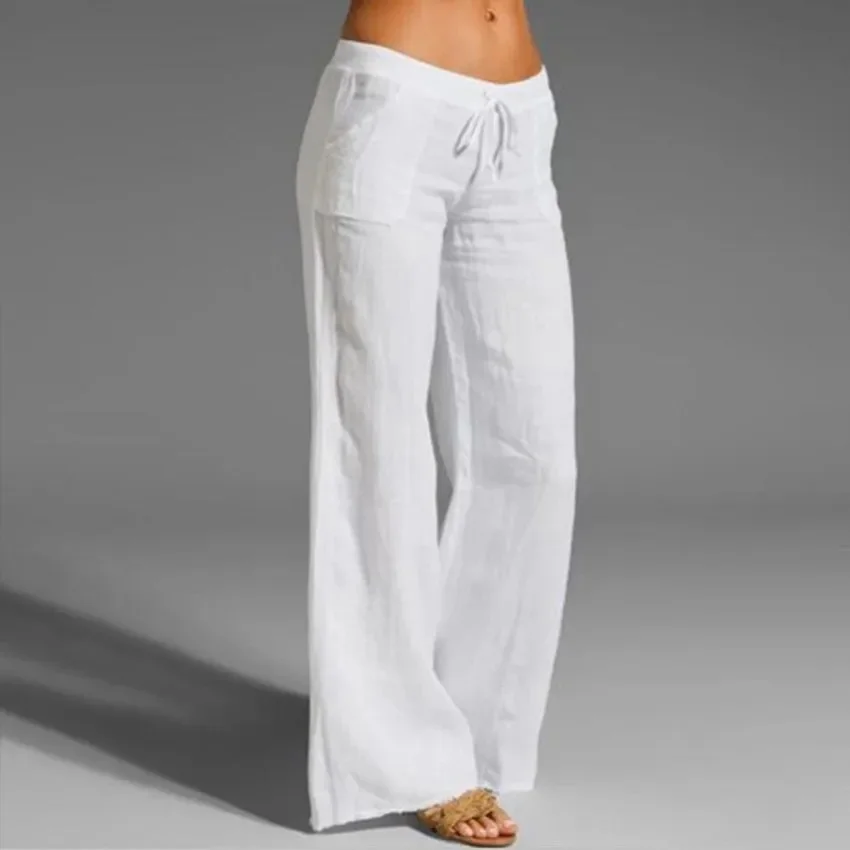
Linen pants are one of the most popular choices in warm-weather fashion thanks to their natural cooling ability and lightweight structure. To understand why they stand out in the linen pants vs cotton pants comparison, it’s important to first look at the fabric behind them and what makes linen unique in both comfort and performance.
Overview of Linen Fabric
Linen is a natural fabric made from the fibers of the flax plant. It is one of the oldest textiles in human history and is widely valued for its eco-friendly production and exceptional breathability. Unlike synthetic materials or heavily processed fabrics, linen maintains a raw, natural structure that gives it a distinctive texture. This is why many people refer to it when discussing linen fabric vs cotton fabric properties.
Key Characteristics of Linen Pants
Linen pants are known for:
- Extremely lightweight structure
- High airflow and ventilation
- Moisture-wicking ability
- Natural wrinkled appearance
- Strong but slightly rigid fibers
When comparing linen vs cotton pants comfort, linen is often the top choice for hot and humid environments because it allows heat to escape quickly from the body. Another key advantage is sustainability. Linen production typically uses fewer chemicals and less water compared to cotton, making it a preferred choice for eco-conscious fashion.
What Are Cotton Pants?
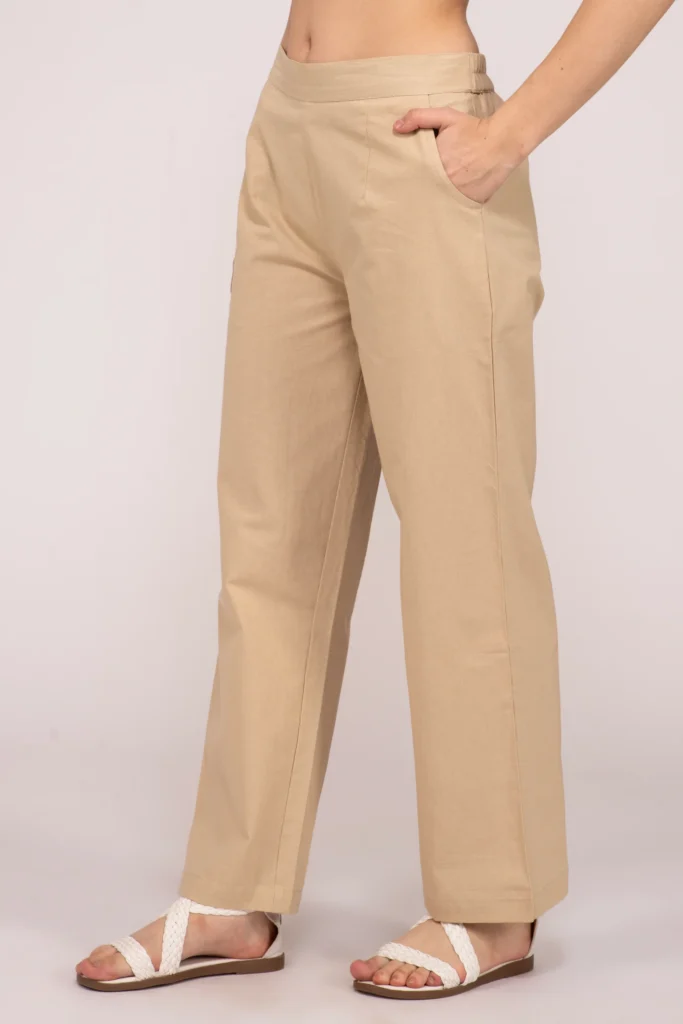
Cotton pants are a wardrobe essential known for their softness, versatility, and everyday usability. In the context of linen pants vs cotton pants, cotton represents the more practical and all-purpose option that adapts easily to different lifestyles and seasons.
Overview of Cotton Fabric
Cotton is made from the soft fibers surrounding cotton plant seeds. It is one of the most widely used fabrics in the world due to its balance of comfort, affordability, and versatility. When analyzing cotton vs linen fabric pants, cotton is often considered the “everyday essential fabric” because of its softness and adaptability.
Key Characteristics of Cotton Pants
Cotton pants offer:
- Soft and smooth texture
- Moderate breathability
- Strong structure and shape retention
- Better wrinkle resistance than linen
- Year-round usability
In terms of cotton pants comfort vs linen pants, cotton often wins for softness and skin feel, especially for people who prefer smoother fabrics against the skin. Cotton is also more flexible in styling, making it suitable for casual wear, office outfits, and semi-formal occasions.
Linen Pants vs Cotton Pants – Key Differences Overview
To fully understand the linen pants vs cotton pants comparison, it is important to go beyond surface-level assumptions and evaluate how each fabric performs in real-life wear. The difference is not only about texture or appearance, but about how each material behaves under heat, movement, washing cycles, and long-term usage. Breaking it down into key performance factors makes the comparison much clearer and more practical.
The five core dimensions include:
- Breathability
- Comfort
- Durability
- Maintenance
- Style versatility
This framework helps clarify the fundamental difference between linen and cotton pants before moving into deeper, experience-based analysis.
Comfort Comparison – Linen vs Cotton Pants
Comfort is often the deciding factor when choosing between linen pants vs cotton pants, especially for daily wear and warm climates. However, comfort is not a single attribute—it is a combination of breathability, skin feel, and overall weight on the body.
Breathability of Linen vs Cotton
One of the most common search intents is which is more breathable linen or cotton pants, and the answer becomes clear when examining fiber structure.
- Linen: Highly breathable due to its loose, open fiber weave, allowing maximum airflow and heat release
- Cotton: Naturally breathable, but tighter fiber structure makes it slightly less efficient in extreme heat
Linen consistently performs better in hot and humid environments because it reduces heat retention and allows continuous air circulation. This is why linen is often preferred in hot humid weather pants linen or cotton comparisons. Cotton still performs well in moderate climates, but under intense heat, it tends to feel heavier and less ventilated over time.
Softness & Skin Feel
Softness is where cotton typically has an advantage in early wear experience.
- Cotton: Smooth, soft, and familiar against the skin from the first wear
- Linen: Slightly textured or coarse initially, gradually softens with repeated washing and wear
This difference explains why many users ask, “Are linen pants more comfortable than cotton?” The answer is situational. Cotton delivers immediate comfort, while linen develops a more natural, lived-in comfort that improves with time. In long-term use, linen often becomes more adaptive and breathable, especially in warm conditions.
Lightweight Feel
In terms of lightweight pants linen vs cotton, linen clearly stands out. Its structure is significantly lighter, creating an airy, almost “barely-there” sensation when worn.
Cotton, on the other hand, carries more density and structure. This gives a sense of stability and coverage, which some users prefer for everyday city wear or office environments. However, in high heat conditions, cotton’s added weight can feel more noticeable compared to linen’s fluid movement.
Durability Comparison – Linen vs Cotton Pants
Durability is where real-world usage experience becomes more important than theory. While both fabrics are natural, their fiber behavior under stress, washing, and repeated wear differs significantly.
Linen Durability
Linen fibers are among the strongest natural fibers when dry, which often surprises many users. Structurally, linen can outlast cotton in fiber strength under ideal conditions. However, its weakness lies in sensitivity to handling.
- Strong fiber composition
- Becomes softer over time
- Can weaken with excessive heat or aggressive washing
- Requires more careful maintenance to preserve structure
This is why linen is often associated with “care-dependent longevity.” When maintained properly, it ages beautifully, but improper care can shorten its lifespan significantly.
Cotton Durability
Cotton is generally more forgiving in everyday use, which makes it a practical choice for long-term daily wear.
- Handles frequent washing well
- Resists general wear and movement stress
- Maintains structure better under casual use
- More stable under standard laundry conditions
This is why cotton is often preferred for daily use pants cotton vs linen pants comparisons. It does not require the same level of attention as linen and is more resilient in fast-paced, high-frequency wear cycles.
Which Fabric Lasts Longer?
There is no absolute winner in terms of lifespan; it depends on how the garment is used.
- Cotton tends to last longer in heavy, everyday rotation due to its stability and low maintenance requirements
- Linen can last just as long—or longer—if properly cared for, thanks to its strong natural fibers
In a linen vs cotton fabric durability comparison, cotton wins in practicality and resilience under real-world conditions, while linen wins in potential longevity when maintained with proper care.
Breathability & Climate Suitability
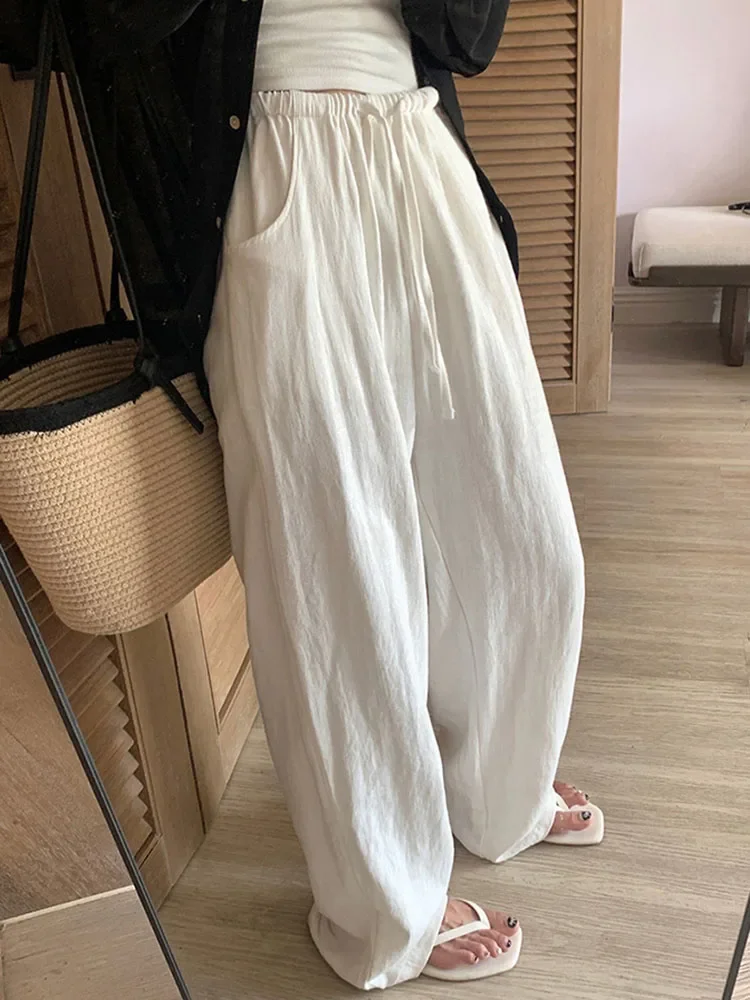
Climate performance is one of the most decisive factors in the linen pants vs cotton pants comparison, especially for users choosing fabrics for real-world weather conditions rather than aesthetics alone.
Linen Pants for Hot Weather
Linen is widely regarded as one of the most effective natural fabrics for heat management, which is why it consistently appears in hot weather pants linen or cotton discussions. Its fiber structure allows heat to dissipate quickly while maintaining constant airflow between the fabric and skin. This makes it particularly suitable for environments where temperature and humidity work against comfort.
Ideal use cases include:
- Tropical climates with high humidity
- Hot and dry summer regions
- Extended heatwave conditions
- Beach and resort vacations
Because of this performance, linen naturally dominates summer pants linen vs cotton pants comparisons in extreme heat scenarios. It is less about style preference and more about physiological comfort under temperature stress.
Cotton Pants for All Seasons
Cotton offers a more balanced performance across varying climates, making it a reliable year-round option rather than a specialist fabric. It adapts well to:
- Mild summer conditions
- Transitional seasons like spring and autumn
- Layered winter styling when paired appropriately
While cotton does not match linen in peak heat ventilation, its stability across temperature shifts makes it a practical choice for everyday pants cotton vs linen use cases. It provides consistent comfort without requiring seasonal wardrobe adjustments.
Style & Fashion Comparison
Style perception plays a major role in how linen pants vs cotton pants are chosen, as each fabric carries a distinct visual identity that influences outfit direction and overall aesthetic tone.
Linen Pants Aesthetic
Linen pants are strongly associated with a relaxed, natural, and understated aesthetic. The fabric’s texture and natural drape create a visual language that leans toward effortless elegance rather than precision or structure. Common style associations include:
- Resort and vacation wear
- Coastal and Mediterranean-inspired fashion
- Minimalist summer wardrobes
- Relaxed luxury styling
Wrinkling, often seen as a flaw in other fabrics, becomes part of linen’s identity, reinforcing its laid-back character. This is why search interest around linen pants aesthetic vs cotton pants look continues to grow, especially among minimalist fashion audiences.
Cotton Pants Style
Cotton pants, in contrast, deliver a more structured and controlled appearance. The fabric holds shape better, which allows for cleaner silhouettes and a more refined visual finish. They are commonly used in:
- Office casual outfits
- Everyday urban streetwear
- Smart casual combinations
- Layered transitional looks
Cotton’s versatility makes it easier to adapt across different dress codes, especially when a more polished presentation is required without shifting into formal wear.
Which Looks More Stylish?
From a styling perspective, the answer depends entirely on intent rather than superiority.
- Linen aligns with a relaxed luxury aesthetic, emphasizing comfort and natural flow
- Cotton supports structured everyday versatility, focusing on clarity and adaptability
Each fabric serves a different visual direction rather than competing for the same style outcome.
Maintenance & Care Differences
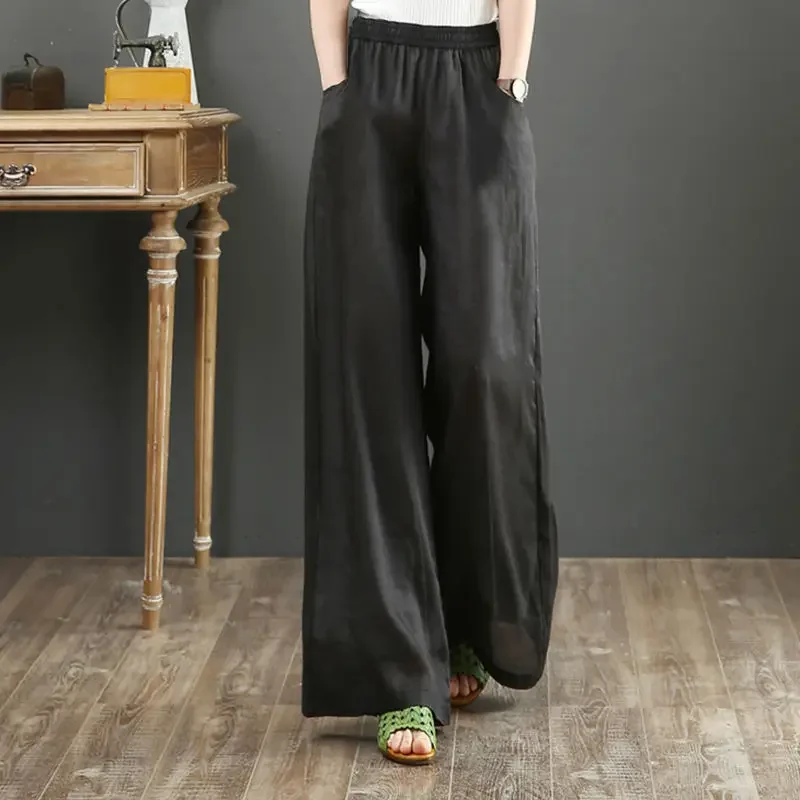
Care requirements often determine long-term satisfaction with fabric choice, especially for users prioritizing convenience and garment longevity.
Washing Linen Pants
Linen requires a more mindful care approach due to its natural fiber structure. Recommended care practices include:
- Washing in cold or lukewarm water
- Avoiding high heat drying cycles
- Air drying whenever possible
Wrinkling is inherent to linen and is generally accepted as part of its natural texture, meaning ironing is optional rather than necessary in most styling contexts.
Washing Cotton Pants
Cotton is significantly easier to maintain, which contributes to its popularity as an everyday fabric. Key advantages include:
- Machine washable with minimal restrictions
- Higher tolerance to heat exposure
- Less sensitivity to routine handling
This makes cotton a preferred option for low-maintenance wardrobes where convenience is a priority over fabric nuance.
Wrinkle Resistance
Wrinkle behavior is one of the clearest visual differences between the two fabrics:
- Linen: naturally prone to wrinkling due to loose fiber structure
- Cotton: more stable and resistant to creasing under normal wear
This distinction is frequently highlighted in wrinkle resistance cotton vs linen pants comparisons and directly influences user preference in daily styling.
Shrinkage & Fabric Behavior
Fabric behavior over time is an important but often overlooked factor in real-world wear performance.
Does Linen Shrink?
Linen has a moderate tendency to shrink when exposed to:
- High-temperature washing
- Machine drying on strong heat cycles
This sensitivity is tied to its natural fiber composition, which reacts to heat and moisture. Proper care significantly reduces shrinkage risk and helps maintain original structure.
Does Cotton Shrink?
Cotton may also experience slight shrinkage, particularly in untreated or non-preshrunk fabrics. However, modern cotton garments—especially blended or pre-treated versions—are generally more stable and predictable in long-term use. This makes cotton easier to manage in everyday wardrobe systems where consistency after washing is important.
Use Cases – When to Wear Linen vs Cotton Pants
Understanding the real-world application of linen pants vs cotton pants is essential, as fabric performance becomes most noticeable in specific environments and lifestyle scenarios rather than in theory.
Best Situations for Linen Pants
Linen performs best in conditions where heat, humidity, and airflow are critical factors. Its natural cooling properties make it highly situational, but extremely effective in the right context.
- Beach vacations and resort settings
- Outdoor summer events and gatherings
- Tropical or high-humidity travel destinations
- Leisure-focused warm-weather outfits
This aligns closely with travel pants linen vs cotton searches, where linen consistently emerges as the preferred option due to its ability to reduce heat retention and enhance comfort in prolonged exposure to warm climates.
Best Situations for Cotton Pants
Cotton offers broader versatility across daily environments, making it a more consistent choice for routine wear rather than climate-specific situations.
- Daily office or work environments
- Urban commuting and city lifestyles
- Casual social meetups and everyday outings
- Year-round wardrobe foundations
Cotton is generally more practical in everyday pants cotton vs linen pants usage because it maintains a balance between comfort, durability, and appearance stability across different settings.
Pros and Cons Summary
A balanced linen pants vs cotton pants comparison requires a clear evaluation of strengths and limitations, especially when viewed through long-term wardrobe planning and real usage behavior.
Linen Pants Pros & Cons
Pros:
- Exceptional breathability in hot and humid conditions
- Extremely lightweight and cooling on the body
- Natural, eco-conscious fiber with sustainable appeal
Cons:
- Prone to visible wrinkling due to fiber structure
- Requires more careful washing and handling
- Less structured appearance in formal or sharp styling contexts
Cotton Pants Pros & Cons
Pros:
- Soft and comfortable for everyday wear
- High durability under frequent use and washing cycles
- Highly versatile across casual and semi-formal styling
Cons:
- Reduced airflow compared to linen in extreme heat
- Slightly heavier fabric feel in warm climates
- Can retain moisture longer in humid environments
Linen Pants vs Cotton Pants – Which One Should You Choose?

The decision between linen pants vs cotton pants which should I choose is ultimately determined by lifestyle patterns rather than a universal rule. Each fabric fulfills a distinct role within a functional wardrobe system.
Linen is the stronger choice when:
- Living in consistently hot or humid climates
- Prioritizing breathability and thermal comfort
- Preferring relaxed, vacation-oriented aesthetics
Cotton is the stronger choice when:
- Focusing on durability and daily practicality
- Needing flexibility across multiple occasions
- Preferring a structured and clean visual appearance
In most real-world wardrobes, the most effective approach is not choosing between the two, but combining them strategically. Linen serves as a performance fabric for heat-intensive environments, while cotton functions as a stable everyday foundation for long-term wearability.
Conclusion
When comparing linen pants vs cotton pants, there is no absolute winner. Linen excels in breathability, summer comfort, and vacation styling, while cotton stands out for durability, versatility, and everyday usability. Understanding the difference between linen and cotton pants helps you choose better for summer wear, daily use, and fashion styling. At StrideLinen, we believe the best choice depends on your climate, lifestyle, and personal expression—not trends. Whether you choose linen or cotton, both remain essential in modern minimalist fashion.