At StrideLinen, we often hear one key question: “How long do linen pants last?” This is an important concern for anyone investing in natural fabrics known for their breathable comfort and effortless style. The answer depends on factors like fabric quality, weave density, and how well they are cared for, but linen is generally a long-lasting material when maintained properly.
Linen pants have become a wardrobe staple thanks to their comfort, sustainability, and natural elegance. Unlike synthetic fabrics, linen evolves over time—it softens, gains character, and reflects wear in a unique way. Understanding linen pants durability and overall linen clothing longevity helps you make better choices, whether you are comparing pure linen vs linen blends or simply wondering how quickly linen pants wear out in everyday use.
How Long Do Linen Pants Last on Average?
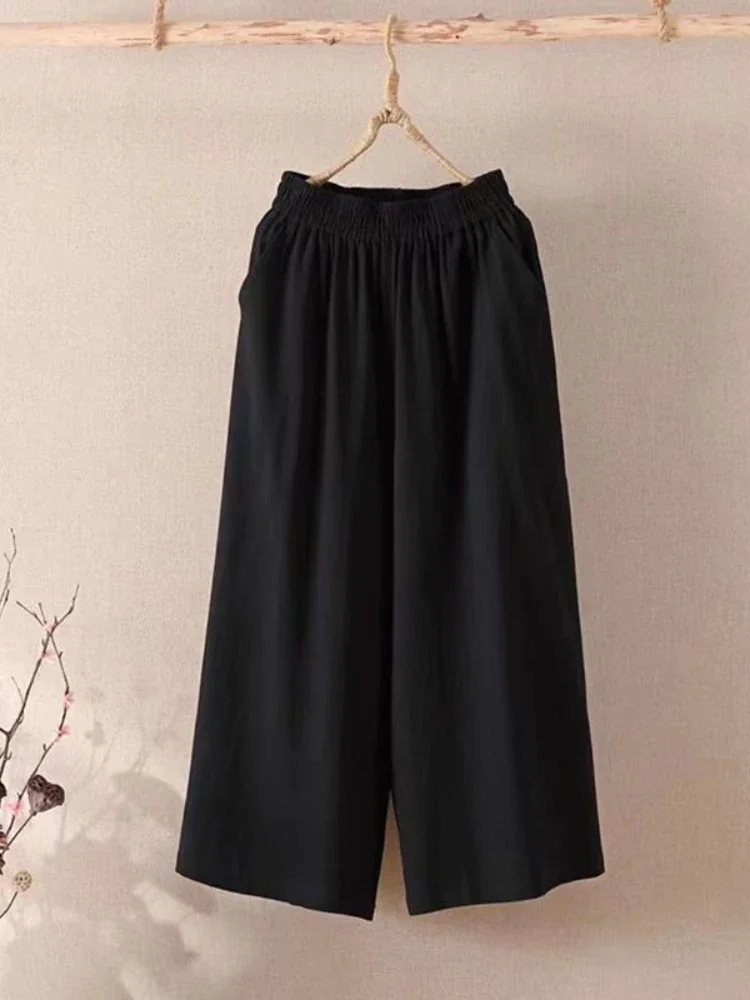
The average lifespan of linen pants is typically:
- 3 to 5 years for regular daily wear with minimal care
- 5 to 10+ years for high-quality linen pants with proper maintenance
- 10+ years or more for premium heavyweight linen with careful use
However, lifespan is not just about time—it is about usage cycles. A pair worn daily in a hot, humid climate will age faster than a pair worn occasionally for travel or summer outings.
Occasional Wear vs Everyday Wear:
- Occasional wear (weekends, travel): Linen pants can last a decade or longer
- Regular office/casual wear: Expect 5–7 years with good care
- Heavy daily wear: Fabric may show thinning or fading in 3–4 years
Linen does not “break down” quickly like cheap synthetic fabrics. Instead, it gradually changes in texture and softness. The question is not only how long linen pants last, but also how they age over time.
What Makes Linen Pants Durable or Not?
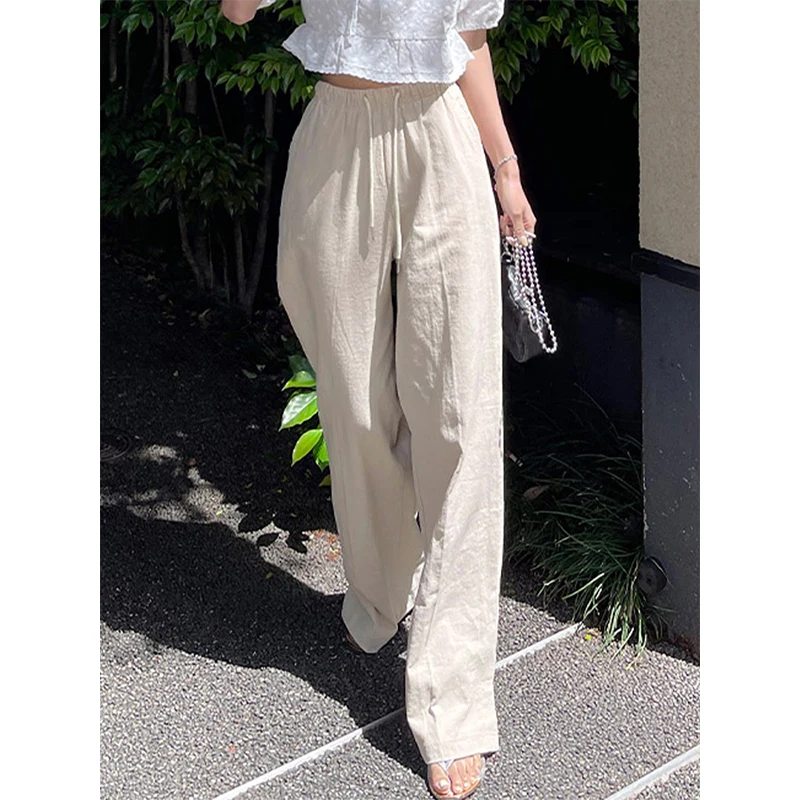
To truly understand how long linen pants last, it is important to look beyond the surface and examine the core elements that determine fabric durability. Linen is not simply “strong or weak”—its lifespan is shaped by fiber structure, fabric engineering, and long-term care behavior.
Linen Fiber Strength and Structure
At the foundation of every durable pair of linen pants is the natural strength of flax fibers. This raw material is widely regarded as one of the most resilient plant-based fibers in the textile industry.
- Linen is stronger than cotton in both dry and slightly damp conditions
- It maintains structural integrity even after repeated wear cycles
- The fiber is naturally resistant to pilling, helping it stay visually clean over time
- Its hollow structure supports airflow while maintaining tensile strength
Because of these properties, linen pants often remain structurally stable even when they start to soften with age.
Fabric Quality – Pure Linen vs Linen Blends
Another critical factor affecting durability is fabric composition. Not all linen behaves the same, and the difference between pure linen and blended fabric can significantly change lifespan expectations.
100% Linen
- Offers the most natural breathability and texture
- Develops softness and character over time
- Requires more careful maintenance to preserve structure
- Tends to show wrinkles and surface aging earlier
Linen-Cotton Blends
- Designed for improved everyday durability
- More resistant to frequent washing and handling
- Holds shape better under consistent use
- Often lasts longer in high-frequency wear scenarios
In practice, pure linen excels in natural aging, while blends provide more stability under daily stress.
Weave Density and Fabric Weight
Durability is not only about fiber type but also about how tightly the fabric is constructed. Weave density and weight directly influence how linen pants respond to friction and long-term use.
- Heavyweight linen generally offers higher durability and longer lifespan
- Lightweight linen provides better breathability but wears faster under stress
- Tight weaves create stronger resistance against tearing and abrasion
- Loose weaves enhance comfort but reduce structural endurance
This balance often determines whether linen pants age slowly or show early signs of wear.
Stitching and Construction Quality
Even the strongest linen fabric cannot compensate for weak construction. In many real-world cases, durability is determined more by tailoring than by material itself.
- Reinforced seams help distribute tension across high-stress areas
- Strong stitching at the crotch, knees, and waistband prevents early breakdown
- Proper garment structure reduces unnecessary pulling on fabric
- High-quality thread ensures seams remain stable over time
Poor construction often leads to premature wear, even in premium linen garments.
Washing Frequency and Method
Washing is one of the most influential factors in determining linen longevity. While linen fibers are strong, repeated exposure to washing stress gradually affects their integrity.
- Frequent washing accelerates natural fiber fatigue
- Harsh detergents can weaken flax fiber structure over time
- High temperatures increase the risk of fabric breakdown
To preserve durability, washing should be minimal and gentle:
- Wash only when necessary rather than after every wear
- Use cold or lukewarm water to protect fibers
- Choose mild detergents and avoid bleach or strong chemicals
Over time, excessive washing is one of the most common reasons linen pants lose strength earlier than expected.
Drying Practices
Drying methods have a direct impact on both the appearance and lifespan of linen pants. Improper drying can gradually weaken fibers and affect fabric texture.
- High heat drying can make fibers brittle over time
- Direct sunlight exposure may fade color and reduce strength
- Over-drying often leads to stiffness and structural fatigue
A more sustainable approach includes:
- Air drying in shaded, well-ventilated areas
- Avoiding tumble dryers whenever possible
- Removing garments slightly damp to preserve softness
These methods help maintain both durability and natural texture.
Daily Wear and Friction
How linen pants are used on a daily basis significantly influences their lifespan. Areas exposed to repeated movement tend to degrade faster than others.
- Inner thighs experience constant friction during walking
- Knees are stressed during sitting and bending
- Waistbands endure repeated tension and adjustment
- Seat areas are affected by prolonged sitting pressure
Usage intensity also matters:
- Office environments typically create moderate wear over time
- Travel introduces varied movement stress
- Physical or active use accelerates fabric fatigue significantly
Understanding wear patterns helps predict where and when linen pants may show aging.
Storage Conditions
Storage is often overlooked, but it plays a quiet yet important role in maintaining linen clothing longevity over time.
- Dry, ventilated environments help prevent moisture damage
- High humidity can gradually weaken natural fibers
- Proper folding or hanging prevents distortion and creasing
- Plastic storage should be avoided due to trapped moisture
Good storage habits help preserve both structure and appearance, especially during long periods of non-use.
Do Linen Pants Wear Out Quickly?
A common misconception is that linen is fragile. In reality:
- Linen is one of the strongest natural fibers
- It does not “tear easily” under normal use
- It becomes softer but not necessarily weaker quickly
What people often mistake as “wearing out” is actually:
- Natural fading
- Softening texture
- Wrinkle development
- A relaxed, lived-in appearance
So, linen pants do not wear out quickly, but they do age visibly faster than synthetic fabrics.
Linen Pants vs Other Fabrics (Durability Comparison)
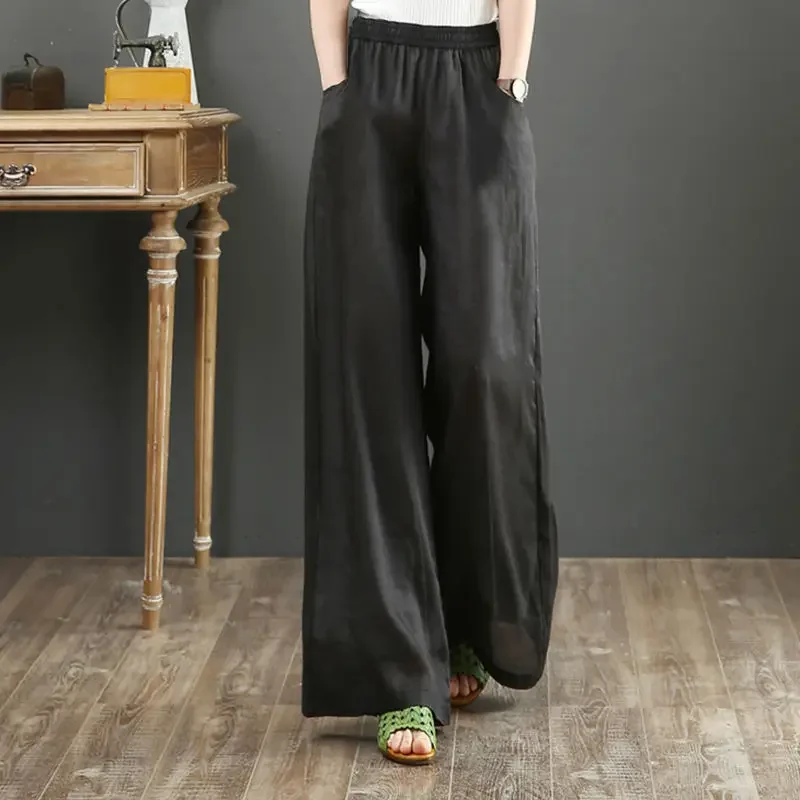
To properly evaluate linen pants durability, it is necessary to compare how linen performs against other commonly used fabrics. Each material behaves differently under stress, wear frequency, and long-term care conditions, which directly impacts overall lifespan expectations.
Linen vs Cotton
When comparing linen and cotton, both are natural fibers, but their structural behavior differs significantly over time.
- Linen generally offers higher tensile strength than cotton in both dry and slightly damp conditions
- Cotton tends to resist wrinkling more effectively, but it is more prone to surface pilling with extended use
- In terms of long-term structure, linen usually maintains integrity longer when properly cared for, especially in warm climates
Overall, cotton may appear more stable in short-term wear, while linen often proves more durable in long-term structural performance.
Linen vs Polyester
The comparison between linen and polyester highlights the difference between natural and synthetic durability.
- Polyester is engineered for high durability and resistance to physical damage
- Linen, while strong, prioritizes breathability, comfort, and natural aging characteristics
- Polyester maintains shape and resists wear better, but lacks the thermal comfort and texture of linen
In practice, polyester dominates in durability metrics, while linen offers superior comfort and long-term wearability in natural conditions.
Linen vs Cotton Blends
Blended fabrics are designed to bridge the gap between natural comfort and practical durability.
- Linen-cotton blends typically provide more balanced resistance to everyday wear
- They are less prone to sharp wrinkling compared to pure linen
- Blends often maintain structural consistency better under frequent washing cycles
As a result, blends are frequently chosen for users seeking a balance between longevity and ease of maintenance.
Signs Your Linen Pants Are Wearing Out
Understanding the natural aging process of linen is essential for identifying when a garment is approaching the end of its usable lifespan. Linen does not fail abruptly; instead, it shows gradual and visible indicators of wear over time.
- Fabric thinning in high-friction zones such as inner thighs and seat area
- Gradual and permanent fading of original color tone
- Fraying seams or weakening stitch lines along stress points
- Loss of original structure, resulting in a looser or distorted fit
- Excessive stretching at waistbands or knee areas
- Increased transparency in fabric due to fiber breakdown
These signs collectively indicate a reduction in overall linen fabric lifespan and signal that the garment is no longer performing at its intended durability level.
How to Make Linen Pants Last Longer?
Extending the lifespan of linen pants depends largely on consistent care practices and mindful usage. While linen is naturally strong, its long-term durability is significantly influenced by maintenance routines.
Proper Washing Routine
Washing habits directly determine how quickly linen fibers degrade over time.
- Reduce washing frequency to prevent unnecessary fiber stress
- Use gentle machine cycles to minimize mechanical damage
- Avoid high-speed spinning that can weaken fabric structure
- Separate colors to preserve original tone and prevent fading
Controlled washing routines help maintain both strength and appearance over extended use.
Correct Drying Techniques
Drying is a critical stage where improper handling can accelerate fabric aging.
- Air drying is preferred to preserve natural fiber integrity
- Tumble drying should be avoided due to heat-induced weakening
- Direct sunlight exposure should be minimized to prevent fading and brittleness
- Garments should be reshaped while slightly damp to maintain structure
Proper drying techniques significantly improve long-term linen pants durability.
Smart Wearing Habits
Daily usage patterns play a direct role in determining how quickly linen pants wear out.
- Rotating multiple pairs helps distribute wear evenly
- Avoiding high-friction activities reduces stress on fabric fibers
- Selecting appropriate occasions ensures linen is used within its optimal performance range
Mindful wearing habits can noticeably extend garment lifespan.
Maintenance and Repair
Preventive maintenance is often the difference between early replacement and long-term use.
- Small tears should be repaired early before they expand
- Seam reinforcement helps strengthen high-stress areas
- Steaming is preferred over excessive ironing to reduce fiber strain
- Proper storage after use prevents unnecessary fabric degradation
Consistent maintenance helps preserve both structure and usability over time.
When Should You Replace Linen Pants?
Even with excellent care, linen pants naturally reach a point where continued use is no longer practical. Recognizing this stage is part of responsible garment lifecycle management. Replacement should be considered when:
- Fabric becomes excessively thin or visibly transparent
- Structural damage can no longer be repaired effectively
- Overall comfort and fit are significantly reduced
- Original shape is permanently distorted or lost
- Repair costs outweigh the value of replacement
At this stage, the garment has reached the natural end of its functional lifespan, and replacement becomes the most practical option.
Conclusion
So, how long do linen pants last? The answer depends on quality, care, and usage—but in most cases, linen pants are a long-lasting investment when treated properly. They can serve you for years, even over a decade, while developing a unique texture and character over time. At StrideLinen, we believe linen is not just about durability—it’s about how it evolves with you. With the right care, linen pants don’t simply “last”; they improve in comfort and personality as they age. If you understand the factors that affect linen pants longevity, from washing habits to fabric quality, you can significantly extend their lifespan and enjoy one of the most sustainable and timeless garments in modern fashion.